
The traditional vacation once defined by bottomless buffets and sedentary indulgence is rapidly fading into historical obscurity as a new era of health-conscious exploration takes hold. Modern travelers are no longer satisfied with simply escaping their daily routines; they are now seeking to return from their travels as physically and mentally superior versions of themselves. This seismic shift in consumer behavior suggests that the era of vacation recovery—the need for a holiday to recover from a holiday—has been replaced by a quest for intentional longevity and systemic restoration. By trading excessive consumption for targeted healing, the global tourism industry is undergoing a profound transformation that prioritizes sustainable health over short-term gratification. As high-stress lifestyles become the norm, the demand for environments that facilitate nervous system regulation has moved from a niche luxury to a biological necessity for many professionals. This evolution reflects a broader cultural realization that health is the ultimate currency.
The Economic Shift and Cognitive Priority
The Financial Growth: Restorative Travel Trends
The economic landscape of global travel is currently witnessing a massive redistribution of capital toward sectors that promise measurable health outcomes. Market analysts indicate that wellness tourism is on track to become a trillion-dollar industry within the next few years, maintaining a growth rate that significantly outpaces the general hospitality sector. This financial surge is driven by a fundamental change in traveler psychology, where more than fifty percent of international bookings are now motivated primarily by personal well-being goals rather than sightseeing or basic leisure.
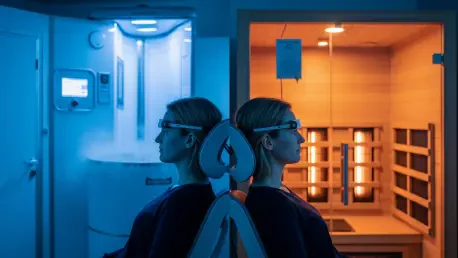
Major hotel groups are responding to this trend by redesigning their properties to include advanced medical spas and recovery suites. Instead of investing solely in traditional entertainment, developers are funneling resources into cryotherapy chambers, infrared saunas, and hyperbaric oxygen facilities. This pivot confirms that the market is moving away from the all-inclusive model of indulgence toward a results-oriented framework. Success in the current travel market is increasingly dependent on a brand’s ability to offer science-backed health interventions that justify the premium costs.
The Rise of Brain Health: Neuro-Fitness Protocols
Beyond physical aesthetics, the modern wellness movement has integrated neuro-fitness into the standard guest experience to address the cognitive demands of the digital era. These protocols are specifically designed to assist individuals in regulating their nervous systems through techniques like neurofeedback and vagus nerve stimulation. Unlike generic spa treatments, these science-driven interventions provide guests with empirical data regarding their stress levels and cognitive function. This allows for a more rigorous approach to mental clarity that extends far beyond the trip.
Neuro-fitness retreats often utilize serene, distraction-free environments to facilitate deep work and psychological decompression. By combining sophisticated technology with traditional mindfulness practices, these programs help travelers reset their circadian rhythms and improve overall focus. The goal is to provide a comprehensive mental reboot that mitigates the long-term effects of chronic burnout. As brain health becomes a central pillar of the luxury travel experience, the integration of neuroscience into hospitality is becoming the new gold standard for high-end resorts.
Customization and Inclusive Programming
Personalization: The Solo Reset Experience
The demand for bespoke programming has ushered in an era where travel itineraries are dictated by individual biological data rather than generic schedules. Modern retreats now offer comprehensive assessments, including genetic testing and blood analysis, to create personalized nutrition and exercise plans. This hyper-personalization is particularly appealing to the growing demographic of solo travelers who utilize these trips as a focused period for self-reflection and physiological optimization. Without the social pressures of group travel, individuals can fully immerse themselves in rigorous detox.
Solo wellness travel has become a leading choice because it allows for a level of introspection that is often impossible in communal settings. These travelers are prioritizing environments that offer solitude alongside professional support, ensuring that their time away is spent entirely on self-improvement. The ability to customize every aspect of a stay—from room temperature to specific supplementation—ensures that the results are both profound and sustainable. This shift toward individual-centric travel highlights a desire for meaningful change that persists long after the trip.
Specialized Care: Global Destination Integration
Inclusivity in wellness tourism is expanding to address specific demographic needs that were previously overlooked by the mainstream industry. Modern programs now provide specialized care for women’s hormonal health and men’s mental health, creating safe spaces for targeted medical and psychological support. These specialized offerings are being integrated into world-class destinations ranging from the Pacific Islands to the Mediterranean coast. This geographic expansion means that travelers do not have to choose between a beautiful vacation spot and a high-level medical facility.
The transition from indulgence to restoration became a permanent fixture of the hospitality landscape as travelers prioritized measurable physiological gains. Organizations adopted a wellness-first design philosophy, focusing on air filtration and circadian lighting as foundational elements. Future progress will require the standardization of health metrics to ensure transparency and efficacy across various brands. The vacation serves as a launchpad for year-round vitality, shifting the paradigm toward proactive health management for the modern workforce and ensuring a more resilient global population.