
Navigating the sprawling metropolitan landscape of Denver requires a strategic approach to lodging, especially as travelers increasingly seek a seamless transition between urban exploration and mountain adventure. While the city’s public transportation network continues to expand, the geographical reality of the Rocky Mountains often makes a private vehicle the most efficient tool for those wishing to hike in the morning and dine in the city by nightfall. Downtown hotels frequently charge exorbitant nightly valet fees, sometimes exceeding fifty dollars, which adds a significant financial burden to an already costly trip. In contrast, selecting a short-term vacation rental in one of Denver’s storied residential neighborhoods provides an immediate solution to the parking dilemma while immersing guests in local architectural charm. These properties serve as a logistical hub where a dedicated driveway or garage eliminates the daily stress of hunting for a spot in a congested core.
Urban Sophistication: Navigating High-Density Neighborhoods
In neighborhoods such as the RiNo Arts District and Five Points, the emphasis on high-design living and artistic flair attracts visitors who want to be at the center of Denver’s creative pulse. These districts are defined by converted warehouses and modern lofts that sit adjacent to world-class street art and innovative dining concepts. While these areas are densely populated, many premium vacation rentals now include designated off-street parking spots or private alley-access garages to accommodate guests with vehicles. This feature is particularly valuable in RiNo, where the rapid influx of new businesses has made street parking increasingly scarce throughout the day and evening. By securing a rental with a guaranteed space, travelers maintain the flexibility to drive to nearby Red Rocks or Boulder without the anxiety of losing their parking spot upon return to their home base. This integration of utility and style ensures a balanced urban stay for automotive-dependent visitors.
Moving toward the historic Santa Fe Arts District and the Union Station corridor, the lodging experience shifts toward a blend of historic preservation and modern luxury amenities. Travelers in these areas often find guest suites nestled within Victorian-era homes or upscale apartment complexes that offer resort-style features like saltwater pools and rooftop fire pits. Although parking in the most central locations might involve a small daily fee or reliance on residential street permits provided by the host, the benefit of immediate walkability to galleries and transit hubs remains a significant draw. The strategy here often involves using the car primarily for excursions outside the city limits while relying on the district’s inherent walkability for evening entertainment. This dual approach allows for a more relaxed itinerary that balances high-energy urban moments with the quiet reliability of a secure parking arrangement that accommodates the needs of various driver types.
Balanced Neighborhoods: The Intersection of Style and Accessibility
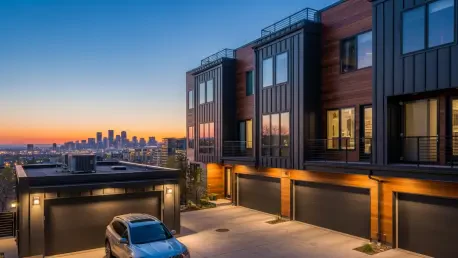
The Lower Highlands, commonly referred to as LoHi, has emerged as a premier destination for those who demand both a sophisticated aesthetic and practical logistical advantages. This neighborhood is characterized by its hilly terrain and striking views of the downtown skyline, offering a selection of newly renovated townhouses that frequently feature attached multi-car garages. Such amenities are indispensable for groups traveling in larger SUVs equipped for mountain terrain, as these vehicles often exceed the height or width restrictions of older urban parking structures. Beyond the parking benefits, LoHi serves as a culinary destination in its own right, allowing guests to leave their cars safely tucked away while they explore acclaimed eateries and rooftop bars on foot. The seamless integration of private vehicle storage into modern residential architecture ensures that the “easy parking” promise is fulfilled without sacrificing the trendy atmosphere guests expect.
Further south, the Speer neighborhood provides a unique vantage point for visitors who wish to bridge the gap between the central business district and the prestigious Cherry Creek shopping area. Rentals in this region tend to favor a minimalist and functional design, often providing off-street parking pads or dedicated spots in quiet residential alleys. This neighborhood is particularly well-suited for professional travelers or digital nomads who require a quiet environment coupled with reliable infrastructure, including dedicated workspaces and high-speed internet. The availability of reliable parking in Speer removes a major hurdle for those who anticipate frequent departures and arrivals throughout the day, such as photographers heading to catch the golden hour in the foothills or mountain bikers chasing early morning trails. The proximity to the Cherry Creek Trail also offers a non-motorized transit option for those looking to experience the city’s bike paths between car-based adventures.
Strategic Logistics: Finalizing the Guest Experience
For families or larger travel parties that prioritize square footage and absolute parking certainty, the perimeter neighborhoods of Westminster and Arvada offer a compelling alternative to the urban center. These locations provide a diversity of housing types, ranging from cozy garden-level retreats to expansive four-bedroom estates capable of hosting multi-generational gatherings. The primary advantage of staying in these suburban-adjacent areas is the abundance of space, where private driveways and three-car garages are the standard rather than a luxury. This infrastructure is essential for groups arriving in multiple vehicles or those carrying specialized outdoor gear like ski racks or bike trailers. Choosing a home in these zones does not mean sacrificing charm; many of these properties feature craftsman details that provide a warm feel. Staying slightly further out ensures every guest has a dedicated place to park, which is vital for those using larger vehicles.
Identifying the ideal Denver vacation rental required a thorough assessment of both the desired cultural atmosphere and the practical necessity of vehicle storage. Travelers who prioritized the vibrant nightlife of RiNo successfully balanced high-energy living with the security of private parking spots, while those in LoHi utilized attached garages to facilitate mountain excursions. Large groups found that the expansive driveways in Arvada provided the necessary room for heavy-duty vehicles, ensuring that logistics never hindered the enjoyment of the trip. To maximize future visits, travelers verified parking dimensions with hosts prior to arrival to accommodate specific vehicle sizes, especially for those renting winter-ready SUVs. This proactive approach to lodging selection transformed the potential stress of urban parking into a non-issue, allowing for a deeper focus on the diverse experiences Colorado offered. Future planning involved checking for electric vehicle charging to meet the growing demand.