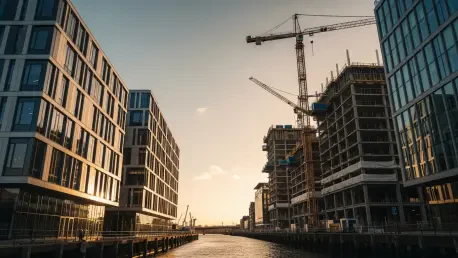

The rapid evolution of the skyline across Greater Southampton represents more than just architectural change; it signifies a profound shift in the socioeconomic fabric of one of the United Kingdom’s most pivotal coastal hubs. This transformation is driven by a complex interplay between ambitious academic expansion, the urgent need for modernized residential density, and the lingering economic pressures that have redefined commercial viability in the region. As the city moves through the middle of the decade, the friction between preserving historical identity and embracing a high-density urban future has reached a critical boiling point. Residents now find themselves navigating a landscape where century-old landmarks stand adjacent to sleek, multi-story student accommodations, creating a visual and social juxtaposition that defines the modern Southampton experience. This era of development is characterized by a push for efficiency, yet it is simultaneously tempered by a grassroots commitment to community-led planning and environmental protection.
Strategic Expansion of Academic and Residential Infrastructure
The University of Southampton remains a central architect of change, with its ongoing redevelopment projects at the Connaught Halls of Residence and South Stoneham House serving as blueprints for the city’s densification strategy. By aiming to integrate over 1,000 new bed spaces into the existing residential corridors, the university is attempting to alleviate the chronic housing shortages that have long plagued both the student population and local families. This massive undertaking reflects a broader trend of vertical growth, where traditional low-rise neighborhoods are being reconsidered as hubs for high-density living. However, this shift toward concentrated housing requires more than just bricks and mortar; it necessitates a complete rethinking of utility capacity and neighborhood integration. The deadline for public commentary on these sites has sparked intense debate, as citizens weigh the benefits of a modernized educational precinct against the potential for overcrowding and the strain on localized infrastructure.
The relationship between academic institutions and the local community is far from one-sided, as evidenced by the recent halt of controversial plans for student flats at the Avenue Campus. This decision marked a significant victory for local residents who argued that the proposed development would have eroded the unique historical character of the area. Instead, the focus of university development appears to be pivoting toward more industrial or less sensitive sites like Wessex Lane, indicating a growing recognition that large-scale projects must align with the social consensus of the neighborhood. Beyond the university, secondary education is also seeing a shift toward operational efficiency, with The Gregg School moving to a centralized, single-site model. By approving additional classroom space to streamline facilities, planners are prioritizing educational outcomes while minimizing the school’s geographical footprint. This consolidation trend suggests a future where urban schools are more compact and technologically integrated.
Economic Volatility and the Commercial Real Estate Puzzle
While residential expansion continues, the commercial sector faces a more turbulent path, highlighted by the significant delays in the redevelopment of the Portswood Shopping Center. Originally envisioned as a vibrant mixed-use site featuring over 500 student flats, the project has hit a major roadblock due to fluctuating interest rates and the rising cost of construction materials that have characterized the mid-2020s. These wider economic challenges have left local business owners in a precarious state of limbo, as many long-term tenants vacated their units in anticipation of a renovation that has now stalled indefinitely. This situation serves as a cautionary tale for urban planners regarding the risks of over-reliance on large-scale, capital-intensive developments during periods of fiscal uncertainty. The resulting vacancies have led to a temporary decline in foot traffic, forcing neighboring shops to adapt to a changing demographic while waiting for a more stable investment climate.
The traditional retail landscape is further evolving as historic community staples undergo radical transformations, with the repurposing of old structures becoming a dominant trend. The closure of Bitterne Park Stores and The Songbird Cafe was a bittersweet moment for many, yet it quickly led to the emergence of new business models better suited to the current economy. For example, the relocation of The Little Hair Co into the former grocery space on Manor Farm Road demonstrates a shift toward service-oriented commerce that is less vulnerable to the rise of online shopping. Simultaneously, the conversion of the historic Pre-Bar in Bevois Valley into apartments signals the gradual disappearance of the traditional English pub as a social hub, replaced by the pressing need for urban dwellings. These changes reflect a neighborhood in transition, where the nostalgia for the past is constantly being weighed against the practicalities of modern living and the reality that high street spaces must remain economically viable.
Fiscal Strain and the Evolution of Public Services
Parallel to the physical construction, the public institutions supporting Greater Southampton are navigating a period of intense financial scrutiny and budgetary recalibration. The local NHS trust, which manages the critical operations at Southampton General Hospital, is currently working to close a $103 million funding gap to maintain a balanced budget for the upcoming fiscal cycle. This level of financial pressure has necessitated a strategic review of how healthcare services are delivered, leading to a greater emphasis on outpatient care and digital health solutions to reduce the reliance on expensive hospital infrastructure. However, the search for savings is not without consequences, as staff and patients alike feel the impact of tightened resources during a period of population growth. The situation at the hospital is a microcosm of the broader fiscal challenges facing the city, where the demand for world-class public services is frequently at odds with the reality of limited municipal funding.
This atmosphere of austerity is equally visible within the City Council, where recent decisions have underscored the difficult trade-offs required to keep the municipality solvent. The refusal to reinstate a grant for the local toy library, despite its popularity among young families, highlights how even small-scale community assets are being sacrificed in the face of larger systemic deficits. As the city moves toward local elections, the management of these dwindling resources has become the primary battleground for political candidates and their constituents. Voters are increasingly demanding more transparency regarding how infrastructure levies from new developments are being reinvested into local social services. There is a growing consensus that for urban development to be truly successful, it must be accompanied by a robust plan for social sustainability that ensures the most vulnerable residents are not left behind as the city’s skyline rises. These political dynamics will likely dictate the pace of projects for the remainder of the decade.
Modernizing Connectivity and Enhancing Public Safety
Connectivity remains a central pillar of the city’s modernization efforts, with transportation planners focusing on bridging the gap between residential outskirts and major employment centers. The introduction of new bus routes linking Townhill Park and Bitterne directly to the city center and the Southampton General Hospital is a significant step toward reducing car dependency and improving social mobility. These routes are specifically designed to cater to the needs of shift workers and those with limited access to private vehicles, ensuring that the benefits of urban growth are accessible to a wider demographic. Furthermore, the integration of real-time transit data and modernized ticketing systems has made public transport a more viable alternative for daily commuters. By prioritizing these arterial links, the city is attempting to create a more cohesive urban environment where the ease of movement matches the increased density of the housing market, although success depends on sustained ridership.
Despite these advancements in public transit, the debate over road safety and the implementation of traffic management schemes remains a polarizing issue for many residents. While the council has moved forward with consulting on 20mph zones in the Portswood ward, representatives from the eastern side of the city have voiced concerns about a perceived lack of similar safety measures in their neighborhoods. This regional disparity has led to calls for a more equitable approach to traffic calming, particularly in light of recent collisions that have underscored the dangers of high-speed urban corridors. Additionally, the proposal for a Dutch-style “shared space” scheme on Above Bar continues to be met with skepticism by those who worry that blending pedestrian and vehicular areas may compromise the safety of the elderly and visually impaired. The ongoing modernization of utility infrastructure, including major upgrades at the Portswood Water Treatment Works, further highlights the hidden complexities of supporting a growing population.
Environmental Stewardship and the Future of Community Identity
Amidst the construction and fiscal debates, the preservation of green spaces has emerged as a non-negotiable priority for residents who see these areas as essential for maintaining their quality of life. Riverside Park and the Southampton Common have become the focal points for a new wave of environmental activism, characterized by events like the “BioBlitz” and the annual city-wide festival celebrating “green and blue” spaces. These initiatives are not merely recreational; they serve as critical data-gathering exercises that help urban planners understand how local biodiversity can be protected within a rapidly expanding city. By involving the community in bird surveys and wildlife recording, the city has fostered a sense of shared responsibility for the natural environment. This grassroots engagement ensures that as the urban footprint expands, the ecological value of the Itchen River and the city’s historic parks is not sacrificed for short-term developmental gains, creating a model for effective conservation.
The path forward for Greater Southampton required a shift from reactive planning toward a more integrated model that viewed infrastructure, economy, and ecology as interconnected systems. Stakeholders identified that the long-term success of the region depended on the creation of flexible urban spaces that could adapt to changing economic climates while respecting the historical foundations of the community. It became clear that the city needed to prioritize the completion of stalled commercial projects through public-private partnerships to prevent the decay of the high street. Furthermore, the focus shifted toward ensuring that transportation upgrades were not just about speed, but about safety and accessibility for all residents. By fostering a culture of transparent communication between developers and local neighborhoods, the city began to bridge the trust gap that previously hindered large-scale projects. Ultimately, the preservation of a distinct local identity, backed by a commitment to environmental stewardship, proved to be the most effective way to ensure collective prosperity.