
Cyber-fraud remains a significant threat for tourists, with sophisticated criminal organizations frequently targeting users of public Wi-Fi networks in hotels and transit hubs. Navigating the vibrant landscape of Brazil in the current season requires more than just a basic itinerary; it demands a high level of digital and situational awareness. While the Brazilian government has increased its focus on protecting the burgeoning tourism sector, the Canadian travel advisory remains cautious, highlighting a persistent gap between local improvements and realized security. For travelers arriving from North America, the shift toward a cashless society in major hubs like São Paulo has created new vulnerabilities that criminals are quick to exploit. This dichotomy of modern infrastructure and traditional street crime creates a complex environment where visitors must remain vigilant. Understanding these nuances is critical for anyone planning to visit South America’s largest economy during this period of rapid technological and social transition. The following analysis explores the specific measures necessary to navigate these challenges effectively.
Strategic Security Protocols: Technological and Social Integration
Digital Vulnerabilities: Managing Financial Data Risks
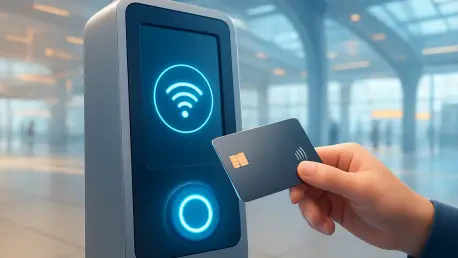
The prevalence of digital connectivity in Brazil’s metropolitan centers has made the use of virtual private networks an indispensable tool for every international traveler. Criminal actors often deploy rogue hotspots that mimic the names of trusted establishments to intercept unencrypted traffic and harvest sensitive credentials. To combat this, security experts recommend that visitors utilize cellular data or encrypted connections whenever possible, particularly when accessing banking applications or making travel reservations. Furthermore, the rise of near-field communication theft has necessitated the use of RFID-blocking wallets to protect credit card information from being cloned in crowded transit environments. Canadian advisories suggest that travelers should maintain a clean digital footprint by limiting the amount of personal information stored on devices used in public. By employing hardware-based security keys and avoiding the use of public charging stations, which can be modified to deliver malware, visitors can significantly lower their risk profile while moving through the country’s tech-heavy urban landscapes.
While the convenience of a cashless economy is a hallmark of current Brazilian commerce, it has also given rise to sophisticated phishing schemes targeting foreign tourists. These campaigns often involve the distribution of malicious QR codes in high-traffic dining and entertainment districts, leading users to fraudulent payment portals designed to capture financial data. Travelers are advised to verify the authenticity of all digital payment prompts and to rely on reputable payment processors that offer robust fraud protection. In addition to virtual threats, the phenomenon of quick-transfer theft remains a concern in larger cities, where victims are coerced into performing immediate digital transfers via mobile devices. To mitigate this risk, visitors should consider adjusting their daily transfer limits on banking apps before leaving their home country. Many travelers have found success in using dedicated travel cards with limited balances for daily expenses, effectively isolating their primary savings from potential exposure. These proactive financial measures provide a critical layer of defense, ensuring that a single security breach does not compromise an individual’s entire financial portfolio.
Urban Mobility: Navigating Physical Security Challenges
Navigating Brazil’s sprawling urban centers requires a strategic approach to transportation that prioritizes safety over cost-saving measures. Utilizing registered rideshare services that provide real-time tracking and verified driver identities is consistently recommended over hailing traditional street taxis, especially during evening hours. These platforms offer an additional layer of security by allowing users to share their trip status with emergency contacts in real-time. Moreover, travelers should exercise extreme caution when navigating areas adjacent to popular tourist districts, as the boundary between secure and high-risk zones can be indistinct. The use of offline maps and GPS-enabled devices helps prevent visitors from inadvertently entering restricted or dangerous neighborhoods known as red zones in local parlance. Canadian officials emphasize the importance of remaining vigilant when using mobile devices for navigation on public sidewalks, as motorized thefts are a common occurrence. By keeping devices concealed and only consulting maps inside secure buildings or vehicles, tourists can avoid becoming targets for opportunistic theft while moving through the city.
To ensure a secure experience, successful travelers prioritized the implementation of layered security protocols that addressed both physical and virtual domains. It was essential for individuals to register their travel details with national consular services to ensure they received critical alerts regarding local conditions. Visitors who secured their data with encrypted hardware and utilized biometric locks on all mobile applications found themselves better protected against the evolving tactics of urban criminal networks. Planning routes in advance and avoiding non-essential travel after dark in unfamiliar districts proved to be a decisive factor in avoiding confrontations. Moreover, travelers benefited from maintaining physical copies of essential documents stored in a secure hotel safe, separate from their primary digital devices. By adopting a proactive stance toward personal safety and leveraging the latest security technologies, individuals successfully navigated the complexities of the Brazilian landscape while minimizing their exposure to known risks. These strategic choices enabled a focus on the cultural and natural richness of the region, ensuring that safety concerns did not overshadow the travel experience.