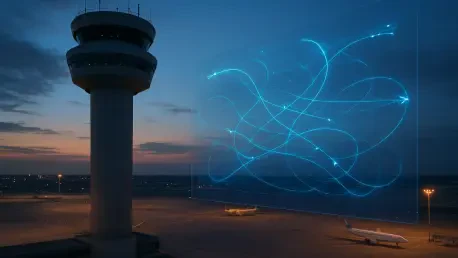

International travelers face a landscape of exhausted crew duty limits and severe air traffic congestion as carriers navigate narrower safe lanes to avoid danger. The recent security notices issued by the U.S. State Department highlight a transformative shift in how international aviation operates within the Middle East. As regional volatility increases, the traditional stability of flight corridors has been replaced by a proactive, security-first model where airspace can be restricted or closed with almost no prior warning. This evolution in safety protocols reflects a global consensus among aviation authorities that preemptive rerouting is the only effective way to protect civilian lives from the unpredictable nature of modern regional conflicts. The industry has moved toward a state of constant readiness, where flight paths are no longer static lines on a map but dynamic trajectories that change based on intelligence feeds. This shift signals a departure from the efficiency-first mindset.
Systematic Disruptions to the Global Flight Network
The Breakdown of Transit and Global Connectivity
The Middle East serves as a vital bridge between the Western and Eastern hemispheres, making any regional disruption a catalyst for a global ripple effect. When major hubs like Dubai, Doha, and Riyadh face operational constraints, the resulting bottlenecks impact travelers far beyond the immediate conflict zones. As flights are forced into narrower safe lanes, the sudden surge in traffic volume leads to systemic delays, increased fuel consumption for carriers, and air traffic congestion that stretches across multiple continents. This geographic bottleneck means that a single closure over a specific corridor can force hundreds of daily flights to divert over already crowded skies in Europe or South Asia. The pressure on air traffic controllers in these adjacent zones has reached unprecedented levels, creating a cascading delay system that affects connections from London to Singapore. Most long-haul operations now require contingency fuel reserves that were previously unnecessary for these routes.
Operational Strains on Regional Aviation Hubs
Airlines are frequently modifying flight paths mid-journey or canceling departures at the last minute to comply with real-time safety data from the FAA and EASA. These logistical challenges often lead to extended layovers and stranded passengers, while ground operations see a heightened security posture, resulting in more rigorous screening procedures and longer wait times at boarding gates. The financial burden is equally significant, as rerouting aircraft around closed airspace adds thousands of miles and massive fuel costs to each long-haul journey. Beyond fuel, the strain on human resources has become a critical point of failure. Crew members frequently hit their maximum duty hours because of unexpected diversions or holding patterns, leaving airlines with grounded planes and no available pilots to fly them. This operational fragility has forced many carriers to reduce their overall flight frequencies to maintain a safety buffer in their scheduling and ensure passenger safety remains the priority.
Understanding Passenger Rights and Insurance Realities
Legal Protections and Navigating Travel Volatility
From a legal standpoint, flight disruptions caused by regional conflict often fall under the force majeure category, which limits the liability of commercial airlines. Because these cancellations are triggered by extraordinary circumstances beyond a carrier’s control, airlines are generally exempt from providing out-of-pocket cash compensation for delays. However, the legal obligation to provide a full refund or an alternative routing remains, though the specific duty of care—such as meals and lodging—varies significantly depending on whether the carrier is governed by European or international regulations. Passengers often find themselves caught in a complex web of fine print where the definition of a controllable event is strictly interpreted by airline legal teams. This environment necessitates a deeper understanding of passenger rights under frameworks like EC 261, even when flying through the Middle East, provided the carrier is based in the European Union or is departing from it.
The Future of Aviation Hubs and Strategic Planning
Ultimately, the era of predictable, long-haul transit through the Middle East was suspended in favor of a more vigilant and cautious approach to global mobility. For the foreseeable future, bypassing conflict zones resulted in higher operational costs for airlines and longer travel times for passengers. The industry successfully adopted real-time diplomatic tracking tools as essential components of navigating this volatile environment. Travelers learned to prioritize Cancel For Any Reason insurance policies, as standard coverage often failed to trigger during government-issued travel warnings. The Smart Traveler Enrollment Program became a standard requirement for corporate travel departments, ensuring that citizens maintained a direct line to diplomatic authorities. Moving forward, the focus shifted to decentralized routing and the development of ultra-long-haul aircraft that could bypass traditional hubs. These innovations provided the necessary resilience to maintain connectivity in a fractured landscape.