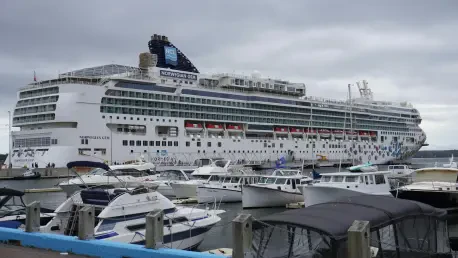

The shimmering Mediterranean sun recently bore witness to a monumental event in maritime engineering as the Norwegian Aura finally kissed the sea for the first time during its official float-out ceremony. This traditional nautical ritual, held at the Fincantieri shipyard in Monfalcone, Italy, is far more than a mere photo opportunity; it signifies the moment a vessel transitions from a static construction project into a living, floating entity. For Norwegian Cruise Line, this milestone marks the completion of the external hull and structural work, paving the way for the intricate process of outfitting the interior. This article explores the significance of this event and what this massive vessel means for the future of global travel.
The scope of this analysis covers the technical achievements of the Norwegian Aura, its design philosophy, and its strategic importance within the cruise industry. As the world watches this 170,000-ton giant move toward its 2027 debut, understanding the engineering and logistical hurdles overcome during the build process provides a clearer picture of its potential impact. Readers can expect an in-depth look at how this ship intends to redefine the passenger experience through innovation and scale.
Key Questions and Industry Implications
What Does the Float-Out Signify for the Construction Timeline?
The float-out is arguably the most critical juncture in a ship’s physical development because it validates the structural integrity of the hull. Before the dry dock was flooded, engineers spent months welding thousands of steel plates to ensure a watertight seal that can withstand the immense pressure of the ocean. Seeing the Norwegian Aura move under its own buoyancy allows the construction teams to shift their focus from heavy industrial fabrication to the delicate art of interior design.
Once the vessel is safely moored at the outfitting pier, the transformation from a steel shell into a luxury resort begins in earnest. This phase involves the installation of miles of wiring, plumbing, and advanced HVAC systems, followed by the aesthetic elements that define the guest experience. It is a period of intense activity where thousands of specialized craftsmen work simultaneously to bring the ship’s restaurants, theaters, and staterooms to life before its inaugural voyage.
How Does the Norwegian Aura Redefine Large-Scale Engineering?
This vessel is a behemoth by any standard, stretching 1,130 feet and boasting a gross tonnage that surpasses all previous entries in the Norwegian Cruise Line fleet. However, the engineering story is not just about raw size; it is about the refinement of the Prima Class architecture. The hull has been meticulously sculpted to minimize drag, which directly contributes to better fuel efficiency and a smoother ride for the 3,880 passengers it is designed to carry.
Furthermore, the scale of the Norwegian Aura allows for architectural features that were previously impossible on smaller frames. The ship utilizes advanced stabilization technology to ensure that even in less-than-ideal sea conditions, the guest experience remains undisturbed. This blend of massive capacity and technical precision demonstrates how modern shipyards like Fincantieri are pushing the boundaries of what is possible in contemporary naval architecture.
What Is the Design Philosophy Behind Ocean Heights?
Central to the identity of the Norwegian Aura is the concept of Ocean Heights, an expansive outdoor area designed to break the barrier between the passenger and the sea. In many traditional cruise designs, the interior is shielded from the elements, often making the ship feel like a land-based hotel. In contrast, this new philosophy prioritizes open-air environments that encourage social interaction and provide breathtaking panoramic views of the horizon.
This area is specifically engineered to cater to multi-generational travelers, offering a versatile space where families can gather without feeling crowded. By focusing on “bringing people together,” the design team has created a destination-in-itself where the onboard amenities are as compelling as the ports of call. The goal is to offer a bespoke, high-end atmosphere that remains accessible and engaging for everyone from toddlers to retirees.
How Does the Partnership With Fincantieri Drive Innovation?
The collaboration between Norwegian Cruise Line and the Italian shipbuilder Fincantieri represents a marriage of operational vision and technical expertise. Fincantieri is world-renowned for its heritage in producing sophisticated maritime vessels, and this project serves as a showcase for their latest construction techniques. The successful float-out is a testament to years of planning and a shared commitment to safety and luxury.
Moreover, this partnership allows for the integration of cutting-edge sustainable technologies during the building process. By working closely from the early design stages, the two companies have ensured that the Norwegian Aura meets rigorous environmental standards while maintaining the aesthetic elegance required of a premium vacation product. This synergy ensures that the vessel is not only a functional machine but a work of art.
What Is the Strategic Plan for Global Deployment?
Following its completion, the Norwegian Aura will embark on a carefully choreographed global rollout starting in May 2027. The journey begins in Trieste, Italy, where the ship will serve the Mediterranean market with week-long itineraries through Italy and Malta. This initial season is crucial for establishing the vessel’s reputation in Europe before it takes on the prestigious challenge of a 14-day transatlantic crossing.
Once it reaches North America, the ship will establish its permanent residency in Miami, Florida, starting in June 2027. From this hub, it will operate seven-day cruises to the Eastern and Western Caribbean, positioning itself in the heart of the world’s most competitive cruise market. This tiered deployment strategy allows the company to showcase the ship to diverse demographics while optimizing its presence in high-demand regions.
Summary and Key Takeaways
The historic float-out of the Norwegian Aura proved to be a defining moment for the cruise industry, marking the successful transition of the ship from the dry dock to the water. The event highlighted the sheer scale of the 170,000-ton vessel and its capacity to house nearly 4,000 guests in a setting that emphasizes luxury and open-air connectivity. The collaboration between NCL and Fincantieri remained a focal point, demonstrating how technical prowess can be used to enhance the passenger experience.
The strategic focus on the Ocean Heights concept and multi-generational appeal was reinforced as the primary driver of the ship’s identity. As the project moved into the interior outfitting phase, the industry looked toward the 2027 launch with high expectations for its Mediterranean and Caribbean deployments. This milestone confirmed that the Norwegian Aura was on track to become a revolutionary platform in the Prima Class evolution.
Final Thoughts
The progress of the Norwegian Aura suggests that the future of cruising lies in the delicate balance between massive scale and intimate guest experiences. For those looking to understand the next steps, the focus now shifts to the sea trials where the ship’s propulsion and navigation systems will be pushed to their limits in open water. This phase was critical for ensuring that the theoretical engineering matched the practical reality of ocean travel.
Prospective travelers and industry analysts should keep a close eye on the unveiling of specific onboard venues as the interior work neared completion. The lessons learned from the Norwegian Aura’s construction will likely influence shipbuilding trends for the rest of the decade, particularly regarding sustainable design and family-oriented spaces. As the maritime world evolved, this vessel stood as a clear indicator of where the industry was headed next.