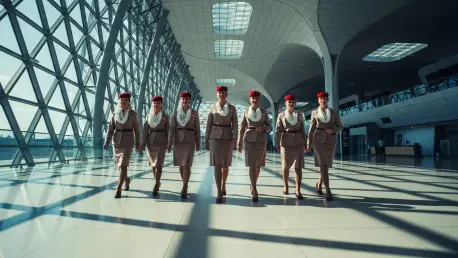

Walking through the terminal of a major international airport, one cannot help but notice the striking presence of flight attendants whose appearance seems to transcend the ordinary demands of air travel. This meticulously curated image, often associated with the world’s most prestigious airlines, serves as a powerful marketing tool and a promise of consistent luxury. However, beneath the polished exterior of the red hat and the flowing white veil lies a complex architecture of corporate discipline, rigorous technical preparation, and unwavering professional standards. For many aspiring candidates, the path to joining this elite group is perceived as a gateway to global exploration, yet the reality involves navigating a demanding environment where every detail is scrutinized. Understanding the depth of this commitment requires a look beyond the cabin doors to see the intensive labor and specific skill sets required to maintain such an iconic reputation in the highly competitive commercial aviation sector of the modern era.
1. The Aesthetic Standard: Grooming Protocols and Recruitment Procedures
To achieve the signature look, crew members follow a precise sequence that begins with hiding any visible skin imperfections using a high-quality concealer to create a smooth, clear base. This is followed by the application of a foundation that ensures an even skin tone across the face, providing a blank canvas for the more defining features. The eyes are a focal point, beginning with shaping the brows to frame the face and adding eye color with sophisticated eyeshadow to create depth. Eyeliner is then used to highlight the eyes’ shape, complemented by mascara to enhance the lashes. To add warmth and definition, bronzer is applied to the cheeks, while a red lip liner carefully outlines the mouth to prepare for the airline’s famous red lipstick. This classic color is filled in to provide a bold finish, and a touch of blush is added for brightness. Completing the look ensures the crew embodies the full aesthetic expected by the global brand.
Maintaining these standards starts long before a flight takes off, beginning with the initial recruitment phase where first impressions are critical. For women, hair must be kept in a neat, professional style away from the face, paired with a full face of professional makeup and standard business attire, typically finished with high-heeled shoes. Men are held to equally stringent guidelines, requiring hair to be clean and neatly styled, and they must remain fully clean-shaven at all times. Their professional attire consists of a sharp suit or business wear complemented by formal dress shoes. These grooming standards serve as a litmus test for a candidate’s ability to adhere to the company’s rigid brand identity. The selection process favors individuals who demonstrate they can consistently present a polished image that aligns with the airline’s reputation for elegance, ensuring that every interaction with a passenger feels like a premium experience from the start.
2. Professional Development: Training Programs and Career Trajectories
Before earning their wings, new hires undergo an intensive seven-and-a-half-week training program in Dubai, starting with a three-day orientation on life in the city and official onboarding. This is quickly followed by thirteen days of safety and crisis management training, which involves rigorous drills on aircraft safety, fire suppression, and emergency evacuation procedures. Five days are dedicated to emergency medical training, where recruits master CPR, first aid, and the handling of various on-board medical emergencies. Security education takes place over two days, focusing on managing threats and uncooperative passengers, while another two days are spent perfecting the brand’s unique hospitality standards. Grooming and image training occupies a single but vital day, providing instructions on uniform maintenance. Finally, fourteen days of in-flight service training allow for hands-on practice in Economy, Business, and First Class cabins to ensure service excellence.
The career trajectory for a crew member offers clear milestones, starting in Economy Class before moving to Business and then the luxurious First Class cabins. High-performing individuals can eventually reach leadership positions such as Cabin Supervisor or Purser, the highest level of in-flight management. This growth is supported by a competitive package; a Dubai-based Economy crew member earns an average of D#1,244 monthly, including base salary and hourly flying pay. Perks include rent-free furnished housing in Dubai and free company transportation. Crew members receive thirty days of annual vacation and significant travel discounts for themselves and their families, providing ample opportunity to explore the world. Furthermore, comprehensive life and accident insurance provides worldwide security, making the role a comprehensive lifestyle choice for those who thrive in a fast-paced environment. This structure ensures that dedicated professionals are rewarded for their long-term commitment.
3. Strategic Preparedness: Evaluating Professional Outcomes and Future Success
Reflecting on the various layers of the cabin crew experience revealed that the glamour was not merely an aesthetic choice but a result of structured discipline. The investigation into training and benefits showed that candidates who succeeded were those who embraced both the technical and social demands of the industry. For those considering this career path, the most effective next step involved conducting a thorough self-assessment of their ability to maintain such high grooming and safety standards consistently. It was clear that future success in this role required a proactive approach to learning the diverse cultures and medical protocols encountered in global travel. Aspiring professionals were encouraged to seek out mentorship from current industry experts to better understand the nuances of the recruitment process. Ultimately, the transition from a candidate to a successful crew member depended on a dedication to the brand’s core values and a willingness to operate within a highly regulated corporate framework.
Prospective applicants who transitioned into these roles often discovered that the rigorous environment fostered a unique set of transferable skills, such as crisis management and cross-cultural communication. These competencies proved invaluable even for those who eventually chose to pursue careers outside the aviation industry in later years. The experience gained from working in a high-pressure, customer-facing environment allowed former crew members to excel in corporate leadership and international business relations. Therefore, viewing the role not just as a job but as a comprehensive professional academy was a significant takeaway for successful individuals. To maximize the benefits of this career, new recruits were advised to maintain a detailed record of their training and experiences to build a robust professional portfolio. By treating every flight as an opportunity for development, crew members ensured that their time in the sky provided a lasting foundation for their future professional endeavors.