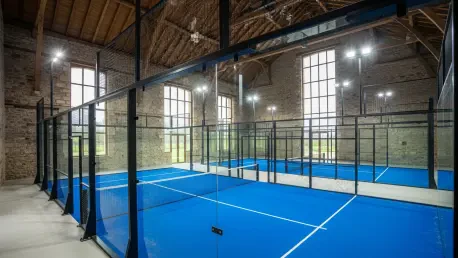

The traditional definition of luxury hospitality is currently undergoing a radical transformation as modern travelers prioritize interactive wellness over passive relaxation in historic settings. Crieff Hydro is launching “Padel Barn,” an indoor facility in Perthshire dedicated to one of the world’s fastest-growing sports. By repurposing a former riding arena into three contemporary padel courts, the resort positions itself at the intersection of heritage and fitness. This move reflects broader shifts in the industry where institutions adapt to contemporary tastes by integrating wellness-focused amenities.
A Century of Racket Sports and Wellness Philosophy
The decision to embrace padel is a continuation of a philosophy established over 150 years ago. Founded in 1868, the resort was built on the belief that physical activity is essential for restoration. This concept guided the property’s evolution, leading to the establishment of tennis courts in 1913. This historical context demonstrates that the current investment in padel is rooted in a long-standing commitment to active leisure. By staying true to this vision while adapting to modern tastes, the institution maintains its relevance in a market where travelers seek health-conscious retreats.
Analyzing the Strategic Shift Toward Padel
The Social Appeal: Low Barriers to Entry
Padel has surged in popularity because of its accessibility. Unlike tennis, it features a smaller court and walls that keep the ball in play, making it an ideal social sport for hotel guests and local residents. For the resort, the inclusive nature of the sport ensures high participation across various age groups. By offering a format that encourages interaction, the brand taps into the togetherness that remains a core priority for modern hospitality.
Seamless Guest Experience: Leveraging Technology
Modern hospitality relies on frictionless operations, and the Padel Barn is a prime example. The facility operates on a self-service model integrated into the property app and the Playtonic platform. This allows users to book sessions without staff intervention, aligning with the expectations of a new generation of travelers who prefer on-demand services. By automating logistics, the resort ensures the focus remains on social engagement and physical activity.
Adaptive Reuse: Transforming Heritage Infrastructure
Repurposing an existing indoor riding arena is an economically sound strategy. Instead of new construction, the resort is transforming underused space into a year-round venue. This move addresses the challenge of seasonality, providing an indoor recreation option unaffected by unpredictable weather. By breathing life into an older structure, the resort demonstrates how heritage properties can innovate without losing their character, creating a blueprint for modernization.
The Future of High-End Leisure in the Hospitality Sector
The Padel Barn is part of a larger movement within the regional hospitality industry. Across the sector, luxury resorts like Crossbasket Castle and Glenapp Castle are doubling down on wellness to secure their market positions. Guests increasingly look for curated experiences beyond traditional accommodation. Moving forward, the integration of technological tools and active wellness will be a major driver for growth. Resorts that fail to innovate in these areas may struggle to attract travelers who prioritize health.
Actionable Insights: Strategies for the Wellness Industry
For professionals, this move offers key takeaways. Identifying sports with low entry barriers and high social returns is essential for engagement. Repurposing existing infrastructure converts underused assets into revenue while maintaining sustainability. Additionally, investing in digital booking systems streamlines the guest journey. Ensuring new amenities align with the core brand mission creates a cohesive experience, matching global trends with established brand philosophies regarding physical activity.
The Long-Term Value: Why Active Hospitality Succeeded
The investment in the Padel Barn represented a balance of tradition and trend. By recognizing the rise of padel and framing it within a founding philosophy from 1868, the resort created an amenity that felt both fresh and inevitable. This project highlighted how heritage destinations evolved to meet lifestyle changes without losing their historical soul. As wellness continued to dominate the landscape, the integration of social and tech-enabled sports remained a significant driver of growth, ensuring that resorts stayed at the forefront of the modern guest experience.