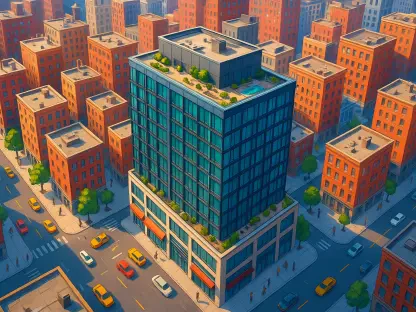

The enduring legacy of San Francisco’s architectural heritage finds its most vibrant expression within the Edwardian walls of the Hotel Majestic, where the fusion of preservation and hospitality creates an environment that defies the typical hotel experience. As a temporal anchor in a city that has undergone radical transformations, the structure has remained a constant since its completion at the turn of the twentieth century. Unlike many of its contemporaries that were leveled during the 1906 earthquake and the subsequent fires, this building remained standing, providing a tangible link to the pre-disaster era. Its identity as a living museum stems from the deliberate curation of artifacts and architectural details that reflect a bygone period of opulence. From the intricate millwork to the hand-selected European antiques, every corridor tells a story of the Gilded Age. Visitors are not merely booking a room; they are entering a curated archive of San Franciscan social history. This preservation effort transcends simple aesthetics, as the building utilizes the original layout and materiality to provide a sensory journey through time. It is this commitment to historical authenticity that distinguishes it from modern luxury developments that often favor clinical efficiency over character.
Architectural Integrity: The Bedrock of Historical Significance
The architectural integrity of the hotel is maintained through a rigorous adherence to early twentieth-century design principles, specifically the Edwardian style which emphasizes light and airiness without sacrificing grandeur. One of the most striking features is the extensive collection of French Empire and English Manor antiques that populate both the lobby and the individual suites. These are not replicas but authenticated pieces that require specialized conservation techniques to remain functional for guests. The grand lobby, featuring high ceilings and ornate plasterwork, serves as the primary exhibition space for this living collection. Artisans are frequently commissioned to perform restorative work using traditional methods, ensuring that the gold leaf and polished mahogany remain consistent with their original appearance. This dedication to material honesty allows the hotel to function as an educational resource, illustrating the craftsmanship that defined the city’s early skyline before the advent of modern glass facades. By preserving these elements, the hotel maintains a high standard of historical accuracy that is rare in the hospitality industry.
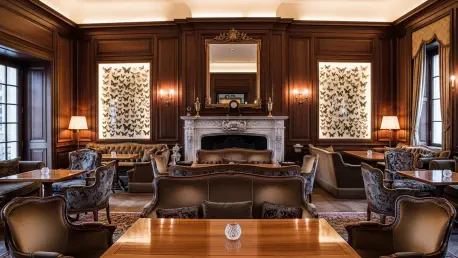
Beyond the structural elements, the social spaces within the building, such as the Butterfly Lounge, contribute significantly to its status as a living museum. This specific area houses a rare and extensive collection of preserved butterflies, a Victorian-era fascination that has been carefully maintained for generations. The lounge environment is designed to replicate the atmosphere of a classic San Francisco salon, where residents and travelers would gather to discuss the shifting cultural landscape. The inclusion of original marble fireplaces and leaded glass windows enhances this effect, grounding the social interactions in a specific historical context. By integrating these rare natural history specimens into a functional hospitality space, the hotel bridges the gap between a traditional gallery and a residence. This dual-purpose design encourages guests to engage with history actively rather than observing it from behind a velvet rope. The continuity of these spaces allows for a rare perspective on how social life in the city has evolved while maintaining its core aesthetic values. This creates a sense of permanence and belonging.
Navigating the Intersection: Tradition and Modern Hospitality
Maintaining a living museum in 2026 requires a sophisticated approach to infrastructure where modern technology is seamlessly integrated into the historical fabric without disrupting the visual narrative. High-speed connectivity and advanced climate control systems are concealed within the original moldings and behind antique armoires, ensuring that the guest experience meets contemporary expectations. This invisible engineering is a feat of modern preservation science, allowing the building to remain a viable commercial entity while fulfilling its role as a historical steward. The challenge lies in updating safety protocols and energy efficiency standards to meet current California regulations while preserving the original materials. Specialized engineers utilize non-invasive methods to reinforce the structural skeleton, ensuring that the Edwardian charm is not sacrificed for utility. This delicate balance ensures that the museum aspect is not a static display but a functioning ecosystem that supports modern life while honoring its origins. By adopting these methods, the hotel serves as a model for future preservation.
The strategic evolution of the Hotel Majestic demonstrated that historical preservation thrived through a model of active utility rather than passive observation. Stakeholders recognized that the longevity of such institutions depended on their ability to offer value beyond nostalgia. They implemented a framework where every renovation project prioritized the restoration of original features over modern replacements, creating a blueprint for other historic properties in urban centers. This approach allowed for a deeper understanding of architectural resilience and provided a clear path for integrating heritage into the urban economy. By fostering a connection between the past and present, the facility proved that the most effective way to save history was to live within it. Future developers were encouraged to look toward this hybrid model as a sustainable alternative to the demolition cycle that often stripped cities of their character. The lessons learned from this enduring landmark provided the necessary tools for city planners to advocate for the protection of cultural assets as vital components of a vibrant metropolitan identity.