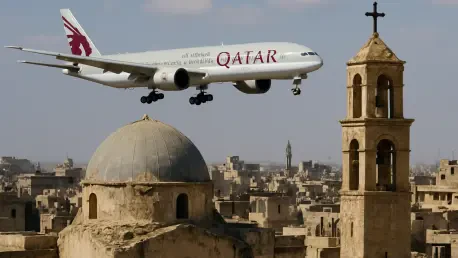

The restoration of direct aerial corridors between Doha and Damascus serves as a powerful barometer for the shifting geopolitical and economic climate of the Middle East. As Qatar Airways prepares to touch down in the Syrian capital this May, the move signals more than just a logistical update; it represents a profound reintegration of a historically isolated market into the global aviation network. This decision follows years of careful diplomatic maneuvering and infrastructure assessment, highlighting a newfound confidence in the stability of the Levant.
A diverse range of market segments is driving this sudden surge in demand for Syrian connectivity. While the Syrian diaspora remains a foundational pillar for passenger volume, there is a burgeoning interest from regional business entities looking to participate in the country’s gradual reconstruction. Moreover, international humanitarian organizations and diplomatic missions have long sought a reliable, premium gateway to facilitate their operations on the ground. By bridging this gap, the airline is positioning itself as the primary conduit for both people and essential cargo.
The deployment of a modern fleet to Damascus ensures that the market is not treated as a secondary destination but as a premium hub. Utilizing fuel-efficient, state-of-the-art aircraft allows for a seamless transition into a digital booking ecosystem that was previously inaccessible to most travelers in the region. This technological integration is critical for restoring the historical trade corridors that once linked the Mediterranean coast to the heart of the Gulf, effectively modernizing the ancient Silk Road for the twenty-first century.
Market Dynamics and the Levant’s Aviation Recovery
Emerging Trends in Post-Conflict Connectivity
The return to Damascus is a centerpiece in a broader regional strategy that includes the revitalization of routes to the United Arab Emirates, specifically Dubai and Sharjah. This interconnectedness allows for a sophisticated hub-and-spoke model where travelers from the Levant can easily access the wider world through Doha. By aligning these schedules, the carrier is effectively weaving Syria back into the fabric of international commerce, creating a ripple effect that benefits neighboring economies.
Building passenger trust is the most significant hurdle in any post-conflict market, which is why the implementation of flexible booking policies has become a cornerstone of this expansion. Offering fee-free modifications and generous cancellation terms serves as a financial safety net for consumers who may still be wary of regional volatility. This strategy prioritizes long-term relationship building over immediate profit margins, fostering a sense of loyalty among a demographic that has faced significant travel barriers for over a decade.
There is a noticeable shift toward luxury and safety as defining characteristics of this new era. Travelers are no longer satisfied with mere accessibility; they demand the same global standards of service found in London or New York. The strategic use of advanced aircraft not only enhances the passenger experience but also works to redefine Syria’s global image. Instead of being viewed through a lens of crisis, the destination is being rebranded as an emerging market ready for cultural and commercial exchange.
Growth Projections and Regional Performance Indicators
The trajectory of the airline suggests a rapid expansion toward serving over 150 global destinations by the middle of the current year. This aggressive growth is fueled by the successful capturing of underserved markets like Syria, where competition remains limited but potential is vast. As more routes are added, the synergy between Damascus and other major hubs will likely lead to an exponential increase in total passenger traffic across the entire Middle Eastern network.
From an economic perspective, the uptick in trade volume between Doha and Damascus is expected to be substantial. Business travel often precedes larger capital investments, and the availability of daily flights provides the necessary infrastructure for Qatari and Emirati investors to scout opportunities in Syria’s nascent sectors. This increased mobility is projected to stimulate growth in areas such as telecommunications, hospitality, and logistics, creating a virtuous cycle of economic development.
While full revitalization will take time, the current forecasts for Syria’s aviation infrastructure are optimistic. The influx of international landing fees and service charges provides the Syrian government with much-needed revenue to upgrade ground facilities and security protocols. As these improvements take hold, the timeline for the return of cultural tourism—once a major pillar of the Syrian economy—will likely accelerate, drawing interest from specialized travel agencies worldwide.
Navigating the Complexities of a Recovering Air Corridor
Operating in a market that has endured over a decade of isolation presents unique logistical hurdles that require expert navigation. The local infrastructure, though functional, requires consistent maintenance and modernization to meet the rigorous standards of a five-star global carrier. Addressing these discrepancies involves a combination of direct investment and close cooperation with local aviation authorities to ensure that ground handling and refueling processes remain efficient.
Risk management remains a top priority, as the airline must balance commercial ambitions with the inherent sensitivities of regional politics. Maintaining operational resilience in this environment requires a sophisticated approach to scheduling and real-time data monitoring. By utilizing flexible flight paths and maintaining constant communication with international safety bodies, the carrier can mitigate the impact of any unforeseen disruptions without compromising the safety of its passengers.
Regulatory Landscape and Security Standards
Compliance with international aviation regulations is the bedrock of this new operation, especially regarding the lifting of long-standing airspace restrictions. Navigating the legalities of direct routes over formerly contested territory requires a high degree of diplomatic coordination. The airline’s ability to secure these permissions is a testament to its standing in the global community and its commitment to following the strictest international safety protocols.
Standardized security measures are being implemented at Damascus International Airport to align with global audits and the carrier’s premium reputation. This includes the installation of advanced screening technology and the training of local staff to meet international benchmarks. These efforts are not just about compliance; they are about providing peace of mind to a global audience that may still harbor reservations about the security of the region.
Commercial operations are also being synchronized with the specific needs of international aid organizations and diplomatic missions. By offering reliable cargo capacity and consistent flight times, the airline serves as a vital partner for those working on the ground to provide humanitarian relief. This synergy demonstrates how private enterprise can play a constructive role in regional stability by providing the physical links necessary for diplomatic and aid-related successes.
The Future Blueprint of Middle Eastern Aviation
Modernization through the use of high-capacity, fuel-efficient fleets is making the Damascus route more than just a symbolic gesture; it is becoming a profitable venture. The lower operating costs of these newer aircraft allow the airline to maintain daily frequencies even during periods of fluctuating demand. This efficiency is the key to making the service sustainable over the long term, ensuring that the link remains open regardless of the broader economic climate.
Digital transformation is streamlining travel to these once-isolated markets in ways that were previously unimaginable. Mobile applications now allow passengers in Syria to manage their entire journey, from visa applications to seat selection, directly from their smartphones. This connectivity reduces the friction of travel and empowers consumers, making the process of flying into or out of Damascus as simple as any other major world city.
This market entry is likely to act as a catalyst for intense regional competition. Other major carriers in the Gulf and Europe are closely watching the success of the Doha-Damascus route, and it is only a matter of time before they reassess their own positions. This potential opening of Syrian airspace to more international players would drive down prices and increase service quality, ultimately benefiting the traveler and accelerating the region’s full reintegration into the global community.
The strategic reconnection between Doha and Damascus demonstrated how aviation could serve as a primary engine for regional recovery and normalization. The decision to prioritize this route showed that the industry was moving beyond simple profit motives to embrace its role as a bridge-builder in a fragmented world. By investing in modern infrastructure and flexible consumer policies, the carrier set a new benchmark for operating in recovering markets. Future strategies should focus on expanding these corridors into other underserved Levant nations, utilizing the Damascus model of gradual, technology-driven reintegration. Stakeholders must now look toward long-term vocational training programs for local aviation staff to ensure that the recovery remains sustainable from the inside out. Moving forward, the success of this corridor provided a blueprint for how global logistics can catalyze peace and economic growth in the most challenging of environments.