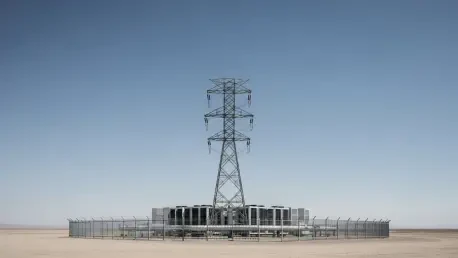

The unprecedented expansion of high-density data centers across the American South and Southwest has reached a critical tipping point where digital progress is now actively colliding with the physical realities of the national power grid. As the demand for generative artificial intelligence processing power continues to surge, the infrastructure required to support these massive computational workloads is placing an unsustainable strain on local utility networks. This rapid industrialization is no longer confined to the digital realm; it has begun to manifest as tangible disruptions in the physical world, specifically affecting the reliability of regional travel and transportation systems. In major technological corridors, the convergence of massive data center construction and existing utility limitations has created a volatile environment for both residents and visitors. Travelers are increasingly finding themselves at the mercy of a grid that was never designed to handle the simultaneous requirements of city-wide electrification and the extreme energy appetite of modern server farms. The resulting friction has led to a series of cascading failures, where the priority given to maintaining digital uptime often comes at the expense of municipal stability and the smooth operation of commercial travel hubs.
1. The Emergence of AI-Driven Travel Instability
The rapid growth of the artificial intelligence sector has transformed several metropolitan areas into primary technological corridors, with Houston emerging as a central player alongside established hubs like Phoenix and Ashburn. This shift has been driven by the relentless need for space and power, pushing developers to seek out regions that were previously overlooked by the tech industry. However, the sheer scale of this expansion has begun to outpace the ability of local utilities to adapt, leading to a direct conflict between industrial demand and public service reliability. In cities like Houston, the integration of massive data center campuses into the regional grid has introduced a level of complexity that existing infrastructure is struggling to manage. As these facilities draw enormous amounts of electricity to cool and power advanced GPU clusters, the margin for error during peak usage periods has vanished. This instability is most visible in the frequent power brownouts that have started to plague residential and commercial districts, creating a ripple effect that extends far beyond the immediate vicinity of the server farms themselves.
The consequences for the travel industry have been immediate and severe, as the regional power grid failures frequently spill over into airport operations and local transit systems. Major airports serving these tech-heavy regions have reported a significant increase in flight cancellations and delays caused by intermittent power surges or full-scale grid collapses. Beyond the airports, the influx of data center construction and the resulting pressure on the local grid have led to widespread hotel shortages and unexpected utility surcharges for visitors. Travelers arriving in Phoenix or Northern Virginia often find that luxury accommodations are fully booked by temporary engineering teams, while the remaining rooms are subject to power conservation measures that limit air conditioning or elevator service. This environment of unpredictability has forced corporate travel managers to rethink their strategies, as the guaranteed availability of essential services can no longer be taken for granted in areas where AI infrastructure takes precedence over the hospitality sector. The intersection of these two industries has created a new landscape of risk for anyone moving through these high-density technological zones.
2. The Strategic Shift in Technological Real Estate
The geographic distribution of data center development is undergoing a significant transformation as traditional hubs reach their absolute limits for power and water availability. For years, Northern Virginia and Arizona served as the primary destinations for server infrastructure, but a combination of regulatory backlogs and increasingly strict water conservation laws has forced developers to look elsewhere. In Northern Virginia, the sheer density of data centers has led to a decade-long wait for new high-voltage power line installations, effectively halting progress for many planned projects. Similarly, the desert climate of Arizona has become a liability as local municipalities implement aggressive water restrictions to protect dwindling aquifers from the massive evaporative cooling needs of modern server clusters. These constraints have triggered a mass migration of tech capital toward more permissive environments, with Houston becoming the preferred destination due to its unique combination of deregulated energy markets and streamlined permitting processes. The ability to bring a facility online in record time has made the Texas Gulf Coast the new frontline of the global artificial intelligence arms race.
This shift has resulted in the rapid transformation of industrial zones into high-density computing campuses, fundamentally altering the local economic and physical landscape. Former manufacturing districts and sprawling warehouse complexes are being retrofitted or replaced with windowless concrete monoliths designed to house the hardware driving the next generation of digital services. While this influx of investment brings high-paying jobs and increased tax revenue, it also places immense pressure on the surrounding infrastructure that was never built to support such concentrated demand. In Houston, the deregulation of the energy market allows data center operators to secure large blocks of power through private contracts, sometimes leaving the broader public grid vulnerable during periods of extreme weather or high demand. The speed at which these facilities are constructed often leaves municipal planners scrambling to upgrade roads, drainage systems, and public transit to accommodate the new reality. As industrial zones transition into tech corridors, the traditional balance between business interests and community resources is being tested, with the digital economy often winning the battle for priority access to essential utilities.
3. Assessing the Mounting Pressure on Public Infrastructure
The technological requirements of modern generative artificial intelligence have created an energy gap that is fundamentally different from the demands of previous server generations. Legacy data centers typically operated with power densities ranging from 5 to 10 kilowatts per server rack, a level of consumption that most regional grids could accommodate with standard upgrades. However, the high-performance hardware required for training and running complex AI models has pushed these requirements to staggering levels, with modern racks often needing between 50 and 100 kilowatts each. This ten-fold increase in power density has caught many utility providers off guard, as the existing transformers and substations are physically incapable of delivering such concentrated loads. Organizations like the International Energy Agency and the Federal Energy Regulatory Commission have stepped in to manage what is estimated to be a 50% surge in AI-related electricity demand across several key US markets. These regulatory bodies are now tasked with the difficult job of balancing the needs of a booming tech sector against the requirement to maintain a stable and affordable power supply for the general public.
In addition to the energy crisis, the reliance on evaporative cooling systems in data centers has triggered a secondary crisis involving local water supplies. Most high-density computing facilities use massive quantities of water to dissipate the heat generated by thousands of processors, a process that is both efficient and incredibly resource-intensive. In drought-prone regions where many of these new hubs are located, the demand for water from data centers can exceed the capacity of local municipal systems, leading to a direct conflict with residential needs. This is particularly problematic in the American West, where water rights are heavily contested and existing supplies are already under severe stress from agricultural and domestic use. The threat to local aquifers has prompted some local governments to implement emergency water conservation orders, yet the momentum of the AI boom often makes it difficult to enforce these rules on major corporate players. The environmental cost of maintaining the digital cloud is becoming increasingly visible as luxury resorts and local communities find themselves competing for the same limited water resources that keep server farms from overheating.
4. Quantifying the Impact on Corporate and Leisure Travel
The economic impact of the AI infrastructure boom is felt most acutely by travelers through a dramatic increase in lodging costs and service surcharges in technological hubs. As thousands of specialized engineers, electricians, and data center technicians descend on cities like Ashburn and Houston for multi-month installation projects, the local hotel inventory is frequently saturated. This surge in demand has driven prices for standard accommodations to unprecedented levels, often pricing out leisure travelers and small business owners who rely on these transit centers. Furthermore, many hospitality providers have begun to implement utility surcharges to offset the rising costs of energy and water in these regions. These fees are often justified by the need to fund regional grid upgrades or to pay for high-capacity backup generators that ensure hotel operations remain unaffected during local brownouts. For the average traveler, this means that a visit to a major tech corridor now comes with a hidden premium that reflects the underlying instability of the local infrastructure.
Beyond the cost of lodging, the strain on local transportation networks has created new challenges for moving through these industrial zones. Rental car fleets in cities experiencing an AI boom are often depleted by long-term leases secured by construction and tech firms, leaving fewer vehicles available for short-term visitors. Ground transit options, including ride-sharing services and public buses, are also facing increased congestion as the workforce required to build and maintain these massive campuses floods the local roads. In some cases, the concentration of data centers in a single area has led to a total redesign of traffic patterns, prioritizing industrial access over general transit and further complicating the travel experience. The potential for travel surcharges to fund municipal utility upgrades is no longer a theoretical concern but a reality in several jurisdictions where the cost of infrastructure expansion is being passed down to the consumer. As the digital economy continues to prioritize physical proximity to power and cooling, the travel industry must adapt to a world where the convenience of the visitor is often secondary to the needs of the machine.
5. Strategic Guidance for Travelers
Navigating the complexities of a regional infrastructure crisis requires proactive planning and a deep understanding of how local utility health impacts travel reliability. To effectively evaluate local power grid health, travelers should check the status of regional energy providers such as the Electric Reliability Council of Texas or similar entities in other jurisdictions during periods of extreme weather. By monitoring grid stability alerts and capacity reports, one can anticipate potential flight delays or terminal power outages before they result in a total travel disruption. This information is critical for determining whether to proceed with a trip or to seek alternative routes that bypass high-risk technological corridors during peak demand periods. Understanding the vulnerability of the grid allows for better decision-making regarding flight times and airport selection, as some smaller regional hubs may be less affected by industrial power draws than major international gateways located in the heart of a data center cluster.
Securing accommodations well in advance is no longer just a recommendation but a necessity for anyone traveling to a major tech hub. Travelers are advised to reserve hotel rooms months ahead of time to avoid being priced out by incoming engineering teams that often book entire blocks of rooms for extended durations. Additionally, it is essential to keep track of regional water limitations and municipal water conservation orders that may affect luxury resort amenities in arid climates. Staying informed about local regulations can prevent the disappointment of finding closed pool facilities or restricted water usage during a stay. In regions facing severe drought conditions, these orders can be issued with very little notice, making it vital to confirm the operational status of specific hotel services shortly before arrival. By following these steps, travelers can mitigate the risks associated with the infrastructure boom and ensure a more predictable experience in an increasingly unstable environment.
6. Primary Observations on the Crisis
The current state of the American infrastructure landscape revealed several critical points of failure that emerged as the artificial intelligence boom accelerated. Analysts observed that Houston, Ashburn, and Phoenix became the primary focal points of the strain, representing the areas where the conflict between digital growth and physical capacity was most intense. These major artificial intelligence hubs demonstrated that the transition from traditional web processing to AI workloads required a fundamental shift in how energy was managed. The extreme electricity consumption of modern server farms taxed aging grids to their breaking point, showing that traditional utility models were insufficient for the new era of computing. It was widely noted that over half of the new data center facilities were being constructed in regions facing severe drought conditions, creating a long-term sustainability challenge that remained unresolved. This geographic mismatch between where the infrastructure was needed and where the resources were available became a defining characteristic of the crisis.
Furthermore, the timing gaps in infrastructure development proved to be one of the most significant hurdles to maintaining regional stability. Industry reports indicated that while a modern data center could be fully constructed and operational within two years, the high-voltage power lines and substations required to support them often took over a decade to complete. This misalignment meant that many regions were forced to operate on a deficit, using temporary and often unreliable measures to bridge the gap between demand and supply. Observers found that travelers who were successful in navigating these disruptions were those who proactively monitored utility stability to avoid becoming stranded during regional grid failures. The overall experience taught the industry that the digital cloud was not an abstract concept but a massive physical entity with a footprint that reshaped everything from hotel availability to air traffic control. As the sector moved forward, the lessons learned from this period of chaos were used to develop more resilient and integrated approaches to urban planning and resource management.