
The rhythmic sound of the Irish Sea crashing against the North Pier has long served as the soundtrack to Blackpool’s tourism industry, but today, a new rhythm of hammers and drills is defining the skyline of Queens Promenade. While independent hospitality venues often face a steep uphill battle against corporate giants, siblings Nigel Seddon and Liz Brown have chosen to double down on their family heritage with a massive seven-figure investment. This financial commitment signals a bold new chapter for the region, proving that traditional seaside charm can coexist with contemporary sophistication.
A New Era for Queens Promenade
The transformation currently taking place along the historic Queens Promenade serves as a testament to the resilience of independent hoteliers in a changing economy. Nigel Seddon and Liz Brown have officially committed over £1 million to revitalize their family-owned assets, a move that honors a legacy established by their parents nearly sixty years ago. This substantial capital injection is designed to bridge the gap between nostalgic holiday experiences and the expectations of modern travelers who seek high-end amenities.
Rather than selling to a larger chain, the siblings have focused on evolving their brand to meet the demands of a discerning public. This investment is not merely about aesthetic updates; it is a profound vote of confidence in Blackpool’s long-term viability as a premier destination. By modernizing their portfolio, they are ensuring that the family business remains a cornerstone of the local economy for another generation, blending decades of experience with fresh, forward-thinking vision.
The Strategic Importance of Reinvesting in Regional Tourism
In the current travel landscape, the surge in high-quality domestic tourism has forced regional operators to reconsider their value proposition. The “staycation” is no longer just a budget-friendly alternative but a deliberate choice for travelers seeking personalized service and local character. For family-run businesses like The Elgin and The Sheraton, consistent reinvestment is the only way to compete with the standardized luxury offered by international hotel groups.
This seven-figure refurbishment highlights the critical role that translating profitable trading periods into tangible guest benefits plays in maintaining market share. By upgrading infrastructure and amenities, the Seddon-Brown family is elevating the standards for the entire Blackpool region. Such moves encourage other independent owners to reinvest, fostering a localized ecosystem where quality is the primary driver of growth and regional tourism remains competitive on a national scale.
Targeted Renovations: Elevating The Elgin and The Sheraton
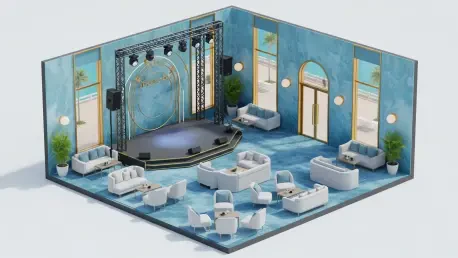
The million-pound project was meticulously split between the two properties to address specific operational challenges and enhance the guest experience. At The Elgin, the renovation focused heavily on social dynamics, specifically within the sun lounge, which now features increased seating and a more fluid architectural layout. A significant technical upgrade involved repositioning the main stage to the center of the room, a direct response to guest feedback regarding sightlines during evening entertainment.
In contrast, the work at The Sheraton involved a deep architectural overhaul, where five flagship bedrooms were stripped down to the bare brickwork. This allowed for a complete replacement of legacy plumbing and electrical systems, ensuring the building’s efficiency for years to come. These rooms were then transformed into premium suites, featuring marble-effect bathrooms, gel-topped mattresses, and bespoke furniture that provides a level of luxury typically reserved for metropolitan boutique hotels.
Artistry and Accolades: Merging Personal Vision with Professional Design
To ensure the renovations remained distinct from corporate aesthetics, the siblings collaborated with interior designer Sacha Dunnett to create a unique visual identity. The design process was deeply personal, as the color palettes and textures throughout the properties were inspired by Liz Brown’s own original artwork. This infusion of personal history and creative vision provides a “home-away-from-home” feel that larger, more clinical hotel chains often struggle to replicate.
The industry has already taken note of this meticulous attention to detail, as both properties recently secured second place in the Best Large Hotel category at the Lancashire Tourism Awards. This recognition validates the siblings’ approach of prioritizing unique, high-quality finishes over generic designs. It demonstrates that when family-run businesses invest in professional design while maintaining their personal touch, they can outperform major competitors in both guest satisfaction and industry prestige.
A Blueprint for Sustaining a Family Hospitality Legacy
The success of the Seddon-Brown project offers a practical framework for other independent hoteliers aiming to modernize without losing their identity. The strategy emphasized a guest-first philosophy where specific feedback—such as the visibility of a stage—dictated the renovation priorities. This ensures that every dollar spent directly improves the customer journey, fostering the kind of long-term brand loyalty that is essential for the survival of independent establishments in a crowded market.
Furthermore, the project underscored the necessity of addressing “invisible” infrastructure alongside visible luxury. While the marble bathrooms and bespoke art attracted the initial interest of guests, the replacement of fundamental plumbing and wiring ensured operational stability and reduced future maintenance costs. This holistic approach to reinvestment provided a sustainable model for growth, proving that heritage and innovation can work in tandem to secure a prosperous future for regional hospitality ventures.