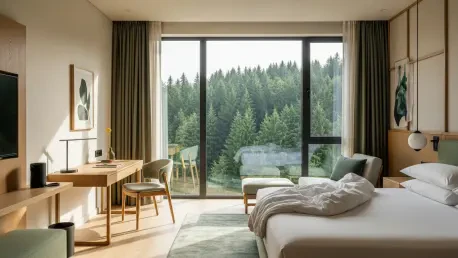

The traditional hotel room has long served as a functional box designed for utility, yet modern travelers are increasingly demanding environments that foster tranquility and mental clarity. As the hospitality sector evolves, the rigid distinction between budget-friendly lodging and high-end wellness retreats is beginning to blur. This shift is driven by a growing recognition that physical space profoundly influences guest satisfaction and long-term brand loyalty.
The Evolution of the Midscale Hospitality Sector
For decades, the midscale segment focused almost exclusively on providing a predictable, cost-effective experience. Major market players prioritized standardization to ensure reliability, often at the expense of character or aesthetic appeal. However, the rise of lifestyle-oriented branding has forced a reevaluation of these legacy models.
Industry leaders like Choice Hotels are now pioneering prototypes such as Scenic Dreams to bridge the gap between affordability and sophisticated design. This transition reflects a sophisticated understanding of how regional development and property management must adapt to the modern guest’s desire for authenticity. By moving away from generic templates, brands are finding new ways to differentiate themselves in a crowded marketplace.
Strategic Shift Toward Wellness and Biophilic Design
Emerging Trends in Nature-Inspired Guest Environments
The current movement toward biophilic design replaces sterile environments with elements that evoke the natural world. Instead of standardized room layouts, properties are integrating large windows and regional murals to create a sense of place. These calming palettes and increased natural light serve to balance the needs of business travelers who require productivity with the needs of leisure guests seeking relaxation.
Prototypes like Scenic Dreams have set a new benchmark for integrating outdoor aesthetics into indoor settings. This approach acknowledges the evolving consumer behavior that prioritizes mental well-being and a genuine connection to the surrounding environment. By making nature a central theme, hotels can offer a restorative experience that feels premium despite remaining within the midscale price point.
Market Performance and Growth Indicators
Financial data supports this aesthetic pivot, showing that design renovations significantly boost Revenue Per Available Room. Properties adopting these nature-inspired themes have achieved a RevPAR premium of 1.71 compared to traditional layouts. Furthermore, Guest Likelihood to Recommend scores have climbed toward an average of 8.36, indicating that the investment in design directly translates to higher customer satisfaction.
With more than 40 properties currently in the development pipeline, the scalability of these prototypes is being tested across diverse geographic markets. The trajectory of these projects suggests that wellness-focused design is not a niche trend but a sustainable business strategy. Investors are increasingly looking at these growth indicators as evidence that aesthetic innovation drives financial resilience.
Overcoming Structural and Operational Challenges
Transitioning to a nature-inspired model involves navigating the complexities of retrofitting existing properties with modern elements. Developers must find ways to integrate high-quality materials without compromising the lean operational structure that makes midscale lodging profitable. Streamlining building footprints has become a primary strategy for lowering overhead costs while maintaining a premium feel.
In high-growth corridors like Nevada and Tennessee, supply chain hurdles and construction costs require precise management. Balancing the initial investment of premium finishes with long-term energy efficiency is essential for maintaining margins. Successful owners are those who can navigate these logistical hurdles while adhering to the core design mandates that define the new prototype.
Regulatory Standards and the Compliance Landscape
Updated building codes now place a greater emphasis on natural lighting and ventilation, aligning well with biophilic design goals. Property owners must ensure compliance with regional environmental regulations, especially for riverfront developments or dual-brand locations. These standards often dictate specific requirements for sustainability that must be woven into the property’s architectural DNA.
Navigating the intersection of brand-specific mandates and local zoning laws requires a collaborative approach between developers and local authorities. Standardized safety and accessibility measures are integrated into next-generation prototypes to ensure that innovation does not come at the cost of compliance. This regulatory alignment helps streamline the permitting process for new constructions.
The Future of Biophilic Innovation in Hospitality
The integration of advanced smart-room technology offers the next frontier for nature-inspired themes. Future developments may include lighting systems that mimic circadian rhythms or climate controls that adapt to outdoor conditions. These innovations will likely complement the physical design, creating a seamless wellness experience that differentiates midscale brands from their competitors.
Dual-brand locations will continue to play a vital role in maximizing market reach by catering to a versatile range of guests. As global economic conditions fluctuate, the expansion of wellness-focused brands will likely target areas where professional hubs intersect with outdoor recreation. This strategy ensures that properties remain relevant to both the weekday corporate traveler and the weekend adventurer.
Forging a New Path for Midscale Lodging
The correlation between nature-inspired aesthetics and increased profitability established a new standard for the industry. This design-led approach provided a distinct competitive edge, proving that wellness-driven environments could thrive outside the luxury segment. Investors who leveraged prototypes like Scenic Dreams positioned themselves at the forefront of a maturing market that prioritized the guest experience. The midscale segment finally moved away from its utilitarian roots to become a sophisticated, guest-centric industry. Moving forward, developers should prioritize flexible architectural frameworks that can adapt to future technological shifts while maintaining an organic feel. Prioritizing sustainable materials will also be a key factor in securing long-term institutional backing as environmental transparency becomes a mandatory metric for success.