
Travelers arriving at the Lanyun Smart Hotel in Shenzhen no longer search for a check-in desk or a concierge but instead find themselves immersed in a fully autonomous ecosystem where facial recognition replaces keycards and synchronized robotics manage every logistical detail from luggage transport to room service. This transition from human-centric service to machine-led hospitality represents a seismic shift in how the industry conceptualizes the guest experience, particularly as urban centers face rising labor costs and a growing demand for contactless interactions. Shenzhen has emerged as the primary testing ground for these innovations, leveraging its status as a global technology hub to integrate advanced artificial intelligence with tangible hardware solutions. While the initial novelty of being served by a mechanical arm might draw tourists, the underlying infrastructure suggests a more permanent transformation of the business model. The city is effectively blueprinting a future where efficiency is maximized through a seamless digital thread.
Operational Excellence and Technological Architecture
The Mechanics: Autonomous Guest Management
The technological core of these establishments centers on a centralized artificial intelligence platform that orchestrates various sub-systems to maintain a frictionless environment for every visitor. Upon entering the facility, guests use self-service kiosks equipped with high-definition optical sensors that verify identities against national databases within seconds, eliminating the traditional wait times associated with manual document verification. This system immediately synchronizes with the hotel mobile application, providing the guest with real-time updates regarding room readiness and granting access through encrypted biometric signatures. Inside the rooms, voice-activated environmental controls allow for the precise adjustment of lighting, temperature, and multimedia options without the need for physical interfaces. By delegating these repetitive administrative tasks to robust software solutions, the hotel can operate with a skeleton crew of technicians rather than a large front-office staff.
Back-of-House: Synchronized Robotics and Logistics
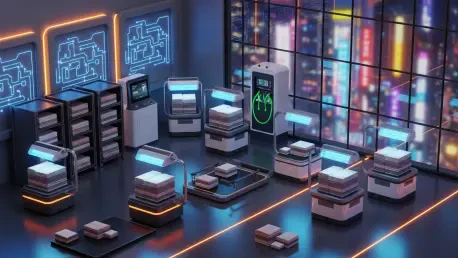
Beyond the visible guest-facing interfaces, the true complexity of Shenzhen’s robotic hotels lies in the back-of-house logistics where autonomous mobile robots handle the movement of goods and maintenance tasks. These machines navigate the hallways using a combination of LiDAR and ultrasonic sensors to avoid obstacles and interact with elevators, ensuring that room service orders and fresh linens reach their destinations without human intervention. The integration extends to the cleaning protocols, where specialized disinfection robots utilize ultraviolet light and HEPA filtration systems to maintain hygiene standards that exceed manual capabilities. Data gathered from these physical movements is fed back into a predictive maintenance algorithm that identifies potential equipment failures before they occur, thereby reducing downtime and long-term repair costs. This level of synchronization demonstrates that the value of robotics is not merely in the replacement of human labor but in the creation of a consistent service standard.
Market Expansion and Ethical Considerations
Economic Scalability: The Future of Labor
From 2026 to 2028, the economic viability of these robotic systems is expected to improve as hardware costs decrease and software capabilities expand through advanced machine learning models. International hotel chains are closely monitoring the developments in Shenzhen to determine how these models might be exported to markets in North America and Europe where labor shortages have become a persistent challenge. The primary hurdle remains the significant upfront capital expenditure required to retrofit existing structures with the necessary fiber-optic networks and charging stations for the robotic fleets. However, the long-term reduction in operational overhead and the ability to offer competitive pricing in high-demand urban areas provide a compelling incentive for developers. As the technology matures, the focus will likely shift from purely functional automation to emotional intelligence, where bots can recognize guest moods and tailor their interactions. This evolution will force a reevaluation of the technical workforce.
Cultural Shift: Privacy and the Human Element
The widespread adoption of fully automated hospitality solutions necessitated a rigorous examination of data privacy protocols and the varying cultural expectations of travelers from diverse backgrounds. While domestic guests in high-tech hubs often embraced the convenience of biometric tracking, international visitors frequently expressed concerns regarding the storage and potential misuse of personal identifiers. Developers responded by implementing decentralized storage solutions and transparent opt-out policies to build trust among a global clientele. Furthermore, the industry recognized that the total absence of human interaction could lead to a sterile atmosphere, prompting a move toward hybrid models where robots handled logistics while humans focused on high-value guest relations. These steps ensured that the technological leap did not come at the expense of genuine hospitality. By refining the balance between efficiency and empathy, the Shenzhen experiment provided a roadmap for the global industry to follow.