
Proactive health management is replacing reactive medical care as travelers prioritize the extension of active, independent years over simple leisure. The contemporary landscape of luxury travel has moved decisively beyond the era of mere relaxation and surface-level pampering, evolving into a sophisticated domain of clinical intervention and biological optimization. In specialized hubs such as Gurugram, India, a significant shift is occurring where elite retreats have transitioned into high-tech laboratories dedicated to human performance. These destinations offer more than just a temporary escape from the stresses of urban life; they provide a comprehensive suite of medical-grade diagnostics and therapies aimed at fundamentally altering the aging process. By merging the precision of modern clinical technology with the deep-rooted insights of ancient healing traditions, the hospitality sector is setting a new standard for what it means to invest in one’s well-being. Travelers are now increasingly viewing their time away from home as an opportunity to undergo rigorous health “audits” that identify physiological vulnerabilities and provide the data-driven tools necessary to fortify the body against the passage of time.
The Intersection of Modern Science and Ancient Wisdom
The conceptual foundation of modern longevity travel is built upon the non-combative integration of seemingly disparate health systems that were once viewed as mutually exclusive. In the current global climate, practitioners are moving away from the binary choice between Western biohacking and Eastern traditionalism, opting instead for a synergistic model that utilizes the strengths of both. This approach acknowledges that while advanced diagnostics can pinpoint specific hormonal imbalances or cellular deficiencies, traditional therapies are often more effective at restoring the systemic harmony required for long-term health. The goal is to treat the guest as a complex, interconnected biological entity rather than a disparate collection of symptoms or data points. By creating a unified framework where genomic testing and blood chemistry analysis inform the application of ancient Ayurvedic or Traditional Chinese Medicine protocols, retreats are able to offer a level of restorative depth that neither system could achieve in isolation. This paradigm shift ensures that every intervention is tailored to the individual’s unique physiological signature, maximizing the impact of every minute spent on site.
A Complementary Approach: Redefining Healthspan
The core philosophy driving this movement is the redefinition of longevity itself, shifting the focus from simply increasing the number of years lived to expanding the “healthspan,” or the period of life spent in optimal physical and cognitive condition. This transition represents a major turning point for the travel industry, as retreats become vital partners in a guest’s long-term health strategy rather than just seasonal holiday destinations. In these environments, the schedule and the atmosphere are meticulously curated to facilitate meaningful physiological change, moving away from the “pamper and prune” model of the early 2000s toward a model of rigorous biological reinforcement. Guests are encouraged to view their bodies as high-performance machines that require regular calibration and maintenance to sustain a high quality of life. This laboratory-like approach to personal optimization fosters an environment where guests can explore their physical limits and learn how to maintain their peak performance through a combination of scientific discipline and traditional restorative practices, ultimately leading to a more resilient and capable version of themselves.
Synergistic Frameworks: The Synthesis of East and West
The successful integration of modern science and ancient wisdom requires a delicate balance that respects the empirical nature of clinical data while acknowledging the intuitive depth of traditional healing. In practice, this means that a guest might undergo a state-of-the-art cardiovascular stress test in the morning, followed by a series of specialized herbal treatments designed to soothe the nervous system in the afternoon. This dual-pronged strategy addresses both the quantifiable markers of health and the qualitative aspects of human vitality, such as energy flow and emotional stability. By utilizing modern imaging and diagnostic tools to validate the efficacy of ancient therapies, providers are able to offer a transparent and evidence-based wellness experience that appeals to the logically minded traveler. This synthesis not only enhances the credibility of traditional practices but also provides a more holistic and satisfying journey for the guest, who benefits from the most effective tools available in the global health arsenal. The result is a travel experience that is both intellectually stimulating and deeply restorative, bridging the gap between the lab and the sanctuary.
Precision Personalization and Diagnostic Excellence
The modern guest experience in longevity travel begins with an exhaustive deep dive into the individual’s biological and behavioral data, often involving multi-hour consultations that pair internal medicine specialists with experts in traditional disciplines. This diagnostic marathon represents a significant departure from the standard physical examinations found in conventional medical settings, as it explores a vast array of factors including genetic predispositions, intricate sleep architecture, digestive microbiome health, and long-term stress responses. By analyzing the individual through multiple clinical lenses simultaneously, these retreats ensure that every subsequent treatment and activity is grounded in objective, verified need rather than generic wellness trends. This high-touch, data-heavy assessment phase transforms the traveler from a passive recipient of services into an active and informed participant in their own health journey, providing them with a clear roadmap for their stay and beyond. This level of scrutiny allows for the detection of subtle imbalances before they manifest as chronic issues, making the retreat a proactive shield against future illness.
Designing the Tailored Wellness Journey: The End of Generalization
Personalization has become the ultimate luxury in the wellness sector, effectively dismantling the one-size-fits-all approach that characterized the industry for decades. Because common modern ailments like chronic fatigue, mental fog, or metabolic dysfunction can have vastly different root causes for different people, the itineraries at these elite retreats are built dynamically and are often adjusted daily based on the guest’s real-time response to various treatments. This agile approach to wellness planning ensures that no two experiences are identical, reflecting the unique biological reality of each guest. Whether the primary focus is on neuro-regeneration, hormonal optimization, or systemic detoxification, the entire ecosystem of the retreat—from the intensity of the morning movement sessions to the specific wavelengths of light used in the recovery suites—is aligned with the guest’s specific diagnostic profile. This level of precision not only accelerates the progress toward health goals but also provides a sense of confidence and security, knowing that every aspect of the journey has been engineered specifically for their body’s current state.
Dynamic Itineraries: Data-Driven Performance Optimization
The evolution of personalized wellness travel is characterized by the continuous monitoring and adjustment of a guest’s daily protocol to ensure maximum efficacy. By utilizing wearable technology and frequent bio-feedback checks, practitioners can observe how a guest’s body responds to specific interventions, such as high-intensity interval training or deep-tissue massage, and pivot the schedule accordingly. This real-time optimization prevents the plateauing effect often seen in standard fitness or spa programs and ensures that the guest is always operating within their “Goldilocks zone”—challenging enough to stimulate growth and repair, but not so intense as to cause excessive stress or injury. This methodology reflects a broader trend in the tech industry where iterative testing and feedback loops are used to perfect a product; in this case, the “product” is the guest’s own physiological performance. The result of this data-driven approach is a profoundly efficient travel experience that yields measurable improvements in markers such as heart rate variability, oxygen saturation, and cognitive speed by the time the guest departs.
Nutritional Functionalism: Food as Medical Intervention
At the most sophisticated longevity retreats, nutrition is no longer viewed through the lens of mere sustenance or culinary delight, but as a critical form of functional medical intervention. The dining experience is entirely decentralized from traditional buffet styles, replaced by bespoke meal plans that are meticulously designed to support the metabolic and inflammatory goals identified during the initial diagnostic phase. Every ingredient, from ancient grains to seasonal vegetables and lean proteins, is selected for its specific biochemical properties and its ability to influence gene expression and cellular health. By eliminating the paradox of choice that often plagues luxury resorts, these retreats remove the mental burden of decision-making and ensure that every calorie consumed contributes directly to the guest’s recovery and optimization. This rigorous approach to dining reinforces the idea that what one eats is the most fundamental and frequent medical choice they make, providing a practical education that guests can take back to their daily lives. The kitchen essentially becomes an extension of the pharmacy, where chefs and nutritionists work in tandem to craft meals that are as scientifically sound as they are gastronomically refined.
Advanced Clinical Interventions and Restorative Traditions
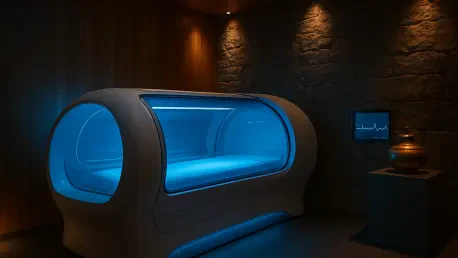
A core component of the modern longevity retreat is the inclusion of advanced, space-age technologies that stimulate biological recovery and repair at a cellular level. Guests are often introduced to hyperbaric oxygen chambers, which flood the bloodstream with pure oxygen to accelerate tissue healing, and pulsed electromagnetic field therapy, which aims to optimize the electrical charge of individual cells. These tools represent the cutting edge of the global biohacking movement, offering passive treatments that allow the body to perform intensive internal work while the guest remains in a state of total physical rest. These technologies are no longer the exclusive domain of professional athletes or high-end medical clinics; they have been integrated into the travel experience as essential tools for anyone seeking to reverse the effects of environmental stress and aging. The presence of such equipment signals a significant medicalization of the luxury travel industry, where the value of a stay is measured by the visible, physiological impact of the interventions rather than just the aesthetic appeal of the surroundings.
The Rise of the Space-Age Wellness Suite: Technological Repair
The integration of clinical technology into the guest suite has redefined the boundaries between a high-end vacation and a medical facility. Advanced tools like far-infrared saunas and intravenous nutrient drips allow for deep-tissue detoxification and direct nutrient absorption, bypassing the often-compromised digestive systems of modern travelers. These interventions are particularly popular among a new generation of high-achievers who value efficiency and measurable results over traditional spa rituals. The “wellness suite” of 2026 is a sophisticated hub of bio-regeneration, where guests can engage in cryotherapy or light-modulation sessions in the privacy of their own quarters. This tech-driven approach satisfies the demand for data-backed health improvements and provides a sanctuary where the body can be systematically “rebooted” through a series of scientifically validated protocols. By making these advanced treatments accessible in a luxury hospitality setting, retreats have lowered the barrier to entry for complex longevity interventions, allowing guests to experience the benefits of the latest biological research in a comfortable and supportive environment.
Clinical Biohacking: Optimizing Nutrient Bioavailability
The contemporary focus on direct nutrient delivery, such as intravenous (IV) therapy and specialized supplementation, highlights the industry’s shift toward ensuring maximum bioavailability and rapid results. Instead of relying solely on oral supplements that may not be fully absorbed, these retreats use clinical methods to deliver essential vitamins, minerals, and antioxidants directly into the bloodstream. This ensures that the body’s cells receive the exact materials they need for repair and energy production without the delays of traditional digestion. This practice is often paired with advanced blood monitoring to ensure that the dosages are perfectly calibrated to the guest’s specific deficiencies. This level of medical precision appeals to travelers who are tired of the guesswork involved in standard nutrition and are looking for a more direct and effective way to address chronic fatigue, immune weakness, or metabolic slow-down. By treating the guest’s internal chemistry with the same level of care and precision as a high-end medical clinic, longevity retreats have positioned themselves as essential destinations for the proactive management of health and vitality.
Balancing Clinical Science with Human Restoration: The Power of Touch
Despite the heavy reliance on sophisticated machinery and data, the most successful longevity retreats recognize that human-led therapies remain an essential and irreplaceable counterweight to the clinical environment. Traditional practices such as Ayurvedic rhythmic oil massages and the application of heated herbal bundles provide a grounding sensation and a level of sensory engagement that technology simply cannot replicate. These human-centric treatments address the psychological and physiological need for physical touch, which has been scientifically shown to lower cortisol levels and stimulate the production of oxytocin. By balancing the “cold” precision of a diagnostic pod with the “warm” human interaction of a traditional therapy session, the retreat creates a more holistic and emotionally satisfying path to recovery. This combination helps to settle the nervous system and prepares the body to respond more effectively to the more intense technological interventions, ensuring that the guest feels cared for on a personal level while their biological systems are being optimized at the cellular level.
Sensory Recovery: Tactile and Nature-Based Modalities
The inclusion of tactile, nature-based practices like medicinal mud baths and sound healing provides a rare opportunity for guests to disconnect from their data-driven lifestyles and engage with the more intuitive aspects of their well-being. These sessions encourage a sense of mental stillness and playfulness that is often lost in the rigorous schedule of a high-tech health retreat. Sound healing, utilizing singing bowls or low-frequency vibrations, targets the brain’s neural oscillations to induce a state of deep relaxation and meditative focus, while mud baths utilize the mineral-rich properties of the earth to draw out toxins and soothe the skin. These treatments act as a bridge between the clinical and the natural, reminding the guest that human health is intrinsically linked to the environment. By pairing these ancient sensory experiences with modern diagnostic insights, retreats offer a comprehensive recovery protocol that addresses the mind, body, and spirit. This balanced approach ensures that guests leave not only with improved physical markers but also with a renewed sense of mental clarity and emotional resilience, having experienced a total systemic reset.
Environmental Synergy and the New Pace of Wellness
The physical environment of a longevity retreat is an active component of the therapy, with many establishments situated in “green lungs”—expansive natural estates designed to provide an immediate escape from the toxicity of urban centers. These environments are meticulously managed to offer clean air, sustainable water systems, and a landscape that facilitates the transition into a parasympathetic, or “rest and digest,” state. The presence of hundreds of thousands of trees and a lack of noise pollution creates a receptive calm that is necessary for the body to respond effectively to rigorous clinical treatments. In these settings, nature is not just a backdrop; it is a fundamental pillar of the health protocol, helping to reset the guest’s internal clock and reduce the systemic inflammation caused by the artificial environments of modern city life. This synergy between the built environment and the natural world ensures that every breath and every step the guest takes contributes to their overall goal of biological optimization and long-term vitality.
The Role of Nature and Structured Discipline: The Built Sanctuary
The architecture and landscape of modern wellness destinations are increasingly designed to act as extensions of the therapeutic process. Facilities are often constructed using sustainable, non-toxic materials that prevent the off-gassing of volatile organic compounds, ensuring that the indoor air quality is as pristine as the outdoor environment. Water filtration systems are calibrated to provide mineral-rich, structured water that supports cellular hydration and detoxification. These estates often feature extensive walking paths and outdoor “zen” zones that encourage guests to engage in mindful movement, further integrating the natural surroundings into the daily health schedule. This holistic approach to environmental management recognizes that a person’s surroundings are just as important as their diet or their medical treatments when it comes to achieving long-term health. By creating a controlled sanctuary where every environmental stressor has been removed, retreats allow the guest’s body to redirect its energy from defending against external threats to internal repair and regeneration.
Disciplined Protocols: The Paradox of Active Relaxation
One of the more surprising aspects of the modern longevity retreat is its high-density schedule, which often challenges the conventional idea of a relaxing vacation as a period of unstructured idleness. Guests are expected to follow a disciplined protocol of movement, meditation, clinical treatments, and educational workshops from dawn until dusk. This structured approach highlights a modern paradox: that truly slowing down and resetting the nervous system often requires a high degree of effort and a commitment to a rigorous routine. By replacing the chaos of daily life with a purposeful, well-timed schedule, the retreat helps to stabilize the guest’s circadian rhythms and foster the development of healthy habits that can be sustained after the stay. This disciplined environment provides a much-needed mental break, as the guest no longer has to manage their own time or make decisions, allowing them to focus entirely on the process of recovery. Ultimately, the value of this structured journey is a deeper understanding of one’s own physiological potential and the creation of a blueprint for a more disciplined and health-conscious lifestyle.
Strategic Integration for Long-Term Healthspan: Next Steps
The shift toward longevity-focused travel has fundamentally altered the relationship between the hospitality industry and personal health management. In recent years, travelers began to seek more than temporary relief; they demanded permanent improvements in their biological age and functional capacity. This evolution was supported by the rapid advancement of portable diagnostic tools and the integration of medical-grade technology into non-clinical settings. As a result, the wellness retreat has moved from being a luxury indulgence to a strategic necessity for those who understood that an investment in healthspan was the most valuable asset one could possess. Moving forward, the most effective path for individuals involves the adoption of a hybrid health model, where the intensive interventions experienced during a retreat are integrated into a daily digital health-tracking routine at home. This ensures that the gains made during the stay were not only preserved but built upon, creating a continuous cycle of optimization that transformed the retreat from a one-time event into a foundational pillar of a lifelong commitment to thriving. By embracing this data-driven and tradition-informed approach, the modern traveler has finally gained the tools to rewrite their biological narrative.