
The holiday season represents a peak period for financial crime as the increased volume of digital commerce provides the perfect cover for fraudulent transactions to go unnoticed. As global markets and consumer behaviors shifted toward a hyper-digital model by the start of 2026, the complexity of these threats has evolved in tandem with technological advancements. The end-of-year festivities create a unique environment where the sheer quantity of transactions often masks the subtle anomalies that signal criminal activity. High-net-worth individuals are particularly targeted due to the significant assets they manage and the frequent travel associated with the season. Reports from financial authorities indicate that fraud losses reached unprecedented levels in 2025, totaling nearly $16 billion. This staggering figure highlights a critical vulnerability in modern financial habits, where convenience often takes precedence over security. Protecting wealth in this environment requires a transition from passive reliance on bank systems to a proactive, multi-layered defense strategy that addresses both digital and physical risks.
Defending Personal Data Against AI and Impersonation
Modern criminals have moved far beyond simple phishing emails, now utilizing high-tech tools like artificial intelligence to create convincing “deepfakes” that mimic the voices or appearances of trusted individuals and institutions. These AI-driven deceptions are designed to exploit the psychological pressure of the holiday season, often appearing as urgent calls from family members in distress or bank representatives reporting suspicious activity. To counter these advanced deceptions, individuals must maintain a “zero-trust” posture, treating every unsolicited request for information with extreme skepticism. This involves refusing to share credentials until the identity of the requestor is independently verified through a known, official channel. Categorically denying remote access requests to devices is equally critical, as these are often triggered by fraudulent tech-support pop-ups designed to harvest sensitive data. By adopting a mindset of constant verification, the probability of falling victim to even the most sophisticated impersonation schemes is drastically reduced.
A critical component of a robust data defense is the implementation of a credit freeze, which acts as a powerful safety net by preventing unauthorized parties from opening new accounts. By taking control of credit accessibility, the primary goal of identity thieves is effectively neutralized, even if personal information has been compromised in a prior data breach. This measure is particularly vital during the 2026 holiday rush when many people are distracted by seasonal logistics and may not notice new account notifications. Additionally, adopting complex, unique passphrases rather than predictable passwords creates a significant barrier against brute-force algorithms used by modern hacking groups. A passphrase consisting of a long string of random words is exponentially harder to crack than a standard password with character substitutions. Ensuring that every financial portal uses a distinct passphrase prevents a single point of failure from compromising an entire digital footprint, thereby securing the integrity of personal wealth against persistent external threats.
Mitigating Risks During Holiday Travel
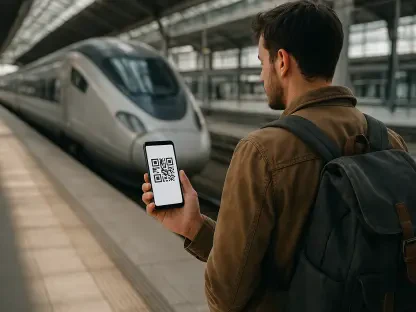
Travel remains a high-risk activity where physical and digital security vulnerabilities often intersect, particularly as scammers create “cloned” websites to lure victims with fraudulent holiday bookings. These malicious sites are meticulously designed to mirror the branding and functionality of major airlines and luxury hotel chains, tricking users into entering credit card details or paying for reservations that do not exist. To ensure financial safety while planning trips, one should always access travel providers directly through official URLs rather than clicking on promotional links found in emails or social media advertisements. This simple habit ensures the integrity of the transaction and protects payment information from being intercepted by malicious third parties who specialize in travel-related fraud. Furthermore, double-checking the browser’s address bar for slight misspellings can reveal a spoofed site before a transaction occurs. Staying vigilant during the booking phase is the first line of defense against the financial and logistical chaos that a travel scam can cause.
While in transit, the use of public Wi-Fi in airports and hotels presents a significant threat, as these networks are frequently monitored by hackers looking for unencrypted data packets. Utilizing a Virtual Private Network (VPN) and ensuring all device software is fully updated with the latest security patches are essential steps to securing a connection in public spaces. A VPN creates an encrypted tunnel for data, making it virtually impossible for unauthorized parties to intercept login credentials or financial details. Furthermore, managing the digital footprint by avoiding real-time social media updates about one’s location can prevent “over-sharing,” which otherwise alerts criminals to empty residences. Posting vacation photos or location tags while still away signals a specific window of opportunity for physical theft or targeted digital scams. Maintaining a delay in social media activity ensures that sensitive information about whereabouts remains private, thereby closing a common loophole used by opportunistic criminals during the holiday season.
Securing Transactions in the Digital Marketplace
Online shopping fraud has evolved to include “search engine poisoning,” where criminals manipulate search results to position fraudulent storefronts at the top of a user’s screen. This tactic exploits the inherent trust people place in top-tier search results, leading them to sites that appear legitimate but exist solely to harvest financial data. To navigate the digital marketplace safely, it is necessary to prioritize link validation by checking for security certificates and ensuring the web address precisely matches the official retailer’s domain. Relying on the visual cues of a website is no longer sufficient in 2026, as high-fidelity replication tools allow scammers to build pixel-perfect copies of famous brands. A disciplined approach to verifying the source is the only way to guarantee a secure shopping experience in an era where fraudulent links can bypass even advanced browser filters. Being wary of deals that seem too good to be true is a timeless rule that remains the most effective psychological defense against seasonal retail traps.
When it comes to the point of sale, the choice of payment method serves as a primary line of defense against sophisticated financial theft. Prioritizing credit cards over direct transfers or instant-pay apps is vital, as credit cards offer robust fraud-reversal mechanisms and legal protections that digital cash apps often lack. If a transaction is found to be fraudulent, credit card issuers can often freeze the charge and investigate the merchant, whereas direct bank transfers are frequently irreversible once the funds have left the account. For even greater control, many modern banking apps now offer “card locking” features, allowing users to deactivate their cards when they are not in immediate use. This functionality neutralizes the threat of stolen data by ensuring that even if card details are compromised, no unauthorized transactions can be processed until the owner manually unlocks the account. Implementing these digital gatekeeping tools provides a dynamic layer of security that adapts to the fast-paced nature of the modern holiday shopping season.
Hardening Financial Infrastructure and Monitoring
The final layer of wealth protection involves the structural hardening of financial accounts through the mandatory use of multi-factor authentication (MFA). By requiring a secondary token or biometric verification step, individuals ensure that a leaked passphrase alone is not enough for a criminal to gain access to their capital. This transition from passive observation to active defense turns financial accounts into “hard targets,” significantly reducing the likelihood of a successful breach during the high-stress holiday season. While some users may find the extra step inconvenient, the security benefits of MFA far outweigh the seconds lost during the login process. It is especially important to avoid SMS-based verification when possible, opting instead for hardware keys or dedicated authenticator apps that are less susceptible to “SIM swapping” attacks. Strengthening the gateway to financial assets is a fundamental requirement for anyone looking to preserve their wealth in an increasingly hostile digital environment, ensuring that the barriers to entry remain insurmountably high.
Continuous surveillance was the key to catching fraud before it escalated, making automated account alerts and paperless statements essential tools for the 2026 consumer. Real-time notifications allowed users to spot suspicious activity instantly, providing the necessary window to contact financial institutions before significant damage occurred. Digital statements further eliminated the risk of physical mail theft, a common tactic used to harvest personal identifiers from residential mailboxes. Moving forward, the most effective strategy involved maintaining these security habits year-round rather than treating them as temporary seasonal measures. By partnering closely with financial institutions and utilizing advanced monitoring tools, individuals successfully protected their assets from the evolving landscape of digital crime. The ultimate success in safeguarding wealth was found in the integration of technological safeguards with a disciplined mindset. This approach ensured that the focus remained on the festivities and family connections of the season, effectively neutralizing the threats posed by modern financial predators.