
The rapid transformation of Hanoi’s skyline reflects a broader movement where international hospitality giants are no longer merely exporting a brand but are instead meticulously stitching local identity into their core service models. With the inauguration of the Shilla Monogram Hanoi Westlake on October 23, the industry witnessed a sophisticated marriage between the Samsung Group’s renowned hospitality standards and the vibrant cultural fabric of Vietnam. This opening represented a significant milestone for Shilla Hotels & Resorts, marking its second major property in the country and its fourth global location. Positioned within the “upper-upscale lifestyle” segment, the hotel aimed to provide an environment where Korean precision met Vietnamese grace. By prioritizing a seamless blend of these two worlds, the brand sought to redefine what modern luxury meant for the cosmopolitan traveler of 2026. This approach moved beyond simple aesthetics, focusing on a deep-seated operational philosophy that prioritized authentic local engagement alongside world-class efficiency and comfort for every guest.
Strategic Positioning Within a Growing Financial Hub
Urban Growth: The Starlake District Expansion
The strategic placement of the property within the Starlake urban district underscored a forward-thinking approach to city planning and commercial growth. Spanning 186 hectares, this burgeoning area was designed to evolve into Hanoi’s primary administrative and financial epicenter, making it a natural choice for a high-profile hospitality launch. The location offered a unique dual advantage by providing immediate access to the city’s corporate powerhouses while maintaining a close connection to the serene environment of West Lake. This proximity to the city’s largest body of water allowed guests to easily transition from high-stakes business meetings to moments of quiet reflection. Nearby historic landmarks, such as the Tran Quoc Pagoda, further enhanced the appeal for international visitors who sought a deeper connection to the cultural history of the region. This geographic balance ensured that the hotel remained relevant to both the professional elite and those looking for a cultural retreat.
Business Utility: The Integrated Service Model
Beyond the external surroundings, the hotel functioned as a comprehensive ecosystem designed to meet diverse requirements under a single roof. This “under one roof” philosophy was particularly evident in the way the facilities were structured to support the needs of the modern business sector. For instance, the 700-square-meter Grand Ballroom, supplemented by multiple specialized meeting rooms and an expansive outdoor deck, provided the necessary infrastructure for large-scale international conferences and high-level social functions. By integrating these professional spaces with high-end leisure options, the property established itself as a versatile hub for the 2026 fiscal year and beyond. This integration allowed for a more efficient use of time for busy executives who no longer needed to travel across the city for quality services. The result was a streamlined experience that prioritized the productivity of the guest without sacrificing the luxury typically associated with the Shilla brand and its heritage in hospitality.
Sophisticated Design and Comprehensive Guest Experiences
Cultural Synthesis: Architectural Layers and Interior Design
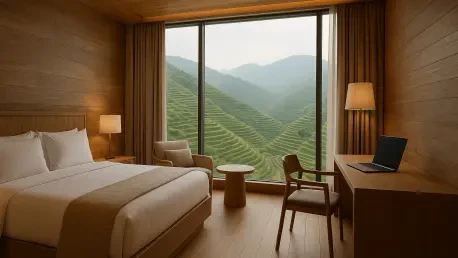
The visual identity of the hotel drew heavy inspiration from the traditional Vietnamese landscape, specifically the layered forms of terraced rice fields found in the northern highlands. Architects reimagined these organic shapes through a contemporary lens, creating a structure that felt both grounded in local tradition and strikingly modern. This design philosophy extended into the 319 guest rooms, where the layout emphasized a balance between functional workspace and high-end relaxation. Deluxe rooms, starting at 42 square meters, were specifically engineered to accommodate the dual needs of the modern traveler, featuring ergonomic designs and premium materials. At the top of the hierarchy, the Signature Suites provided panoramic views of the Hanoi skyline, effectively turning the city itself into a living backdrop for the guest experience. Every element, from the choice of textures to the lighting schemes, was selected to evoke a sense of refined calm that resonated with the brand’s core values.
Strategic Evolution: Industry Benchmarks and Regional Growth
The successful launch of this property established a definitive benchmark for how luxury brands navigated the complexities of cross-cultural expansion in Southeast Asia. Stakeholders observed that the most effective strategy involved moving away from a standardized global template in favor of localized adaptations that respected the host country’s heritage. The diverse culinary offerings, ranging from the international flavors of Dining M to the specialty Korean dishes at JINJI and contemporary Chinese at HASUNGO, demonstrated that a multi-sensory approach was vital for long-term engagement. Wellness facilities like the 35th-floor infinity pool and the Monogram Lounge were not just amenities but essential components of a lifestyle-centric business model. Future developments in the region began to prioritize this synthesis of local culture and high-tech infrastructure to remain competitive. Ultimately, the industry learned that the true value of a luxury brand resided in its ability to facilitate meaningful connections between the guest and the local environment.