
The redesign emphasizes the artisan nature of the product by putting the stretching of the 48-hour proved dough at the center of the customer experience. This strategic shift away from the rapid-fire, assembly-line aesthetic reflects a broader change in how diners perceive value in the high-speed food sector. As the industry faces increasing pressure to balance speed with authenticity, this approach serves as a functional response to the demand for culinary transparency and craftsmanship. By reimagining the physical space of its Bristol flagship, the company managed to transform a standard transaction into a visual performance that validates the quality of the ingredients used. This evolution represents a fundamental pivot in the brand’s operational philosophy as it expands across the United Kingdom. The integration of high-end materials such as timber and stainless steel signals a move toward a more sophisticated dining environment for patrons.
Store Evolution: The Philosophy of Culinary Transparency
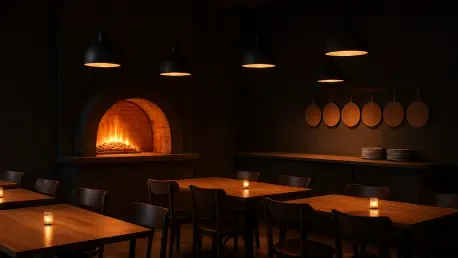
The transition toward a food-led identity was developed entirely in-house to ensure that the visual changes would not only look appealing but also enhance the practicalities of daily operations. Central to this transformation is the open-kitchen layout, which has been meticulously engineered to minimize barriers between the kitchen staff and the customers. This layout facilitates a direct connection, allowing guests to observe the entire lifecycle of their meal, from the initial shaping of the dough to the intense heat of the pizza oven. Such transparency is increasingly vital in a market where consumers are skeptical of highly processed alternatives and value the theater of fresh preparation. By optimizing the internal flow of the kitchen, the brand aims to improve service speed and efficiency for its franchise partners, ensuring that the move toward an artisanal look does not compromise the core promise of fast dining.
The updated aesthetic moves significantly away from the heavy use of signature orange tones that previously defined the brand, opting instead for a palette of darker finishes and warm, inviting lighting. This change in color theory and material selection aims to create a design-conscious environment, aligning the physical store with the high-quality, 400-degree stone-fired pizza it serves. The incorporation of timber and steel provides a texture that feels both rustic and modern, bridging the gap between traditional Italian pizzerias and contemporary urban eateries. Furthermore, the updated typography and logo redesign suggest a commitment to longevity and brand prestige, moving the company into a space where it can compete with more established boutique chains. This visual overhaul is not just about looks; it is a calculated effort to elevate the perception of the brand as it targets metropolitan areas where design plays a vital role.
Future Growth: Operational Scalability and Global Strategy
Strategically, the management team has adopted a measured approach to implementing these changes across its 150 existing locations. Rather than mandating immediate and costly renovations for all franchise partners, the new format will be introduced through new store openings first, beginning with the showcase location in Bristol. This allows the company to refine the concept in real-time, observing customer interactions and operational hurdles before a wider rollout. Existing franchisees are expected to transition to the new look when it becomes commercially appropriate for their specific markets, ensuring that the financial burden of rebranding is balanced against potential revenue growth. This flexibility is a hallmark of a sustainable franchise model, allowing for local variations while maintaining a cohesive national identity. This phased implementation ensures that every location remains profitable during its transition period.
The successful launch of the Bristol flagship provided a definitive blueprint for how modern food service providers navigated the tension between rapid delivery and culinary craftsmanship. As the rollout continued from 2026 to 2028, it demonstrated that prioritizing the physical environment and the visibility of the cooking process led to higher engagement and a stronger brand identity. Moving forward, businesses should consider how their own operational layouts either inhibit or encourage customer trust, particularly as transparency becomes a non-negotiable expectation for the public. The focus on high-quality materials and a more subdued color palette suggested that the era of bright, fast-food neon was giving way to a more sophisticated approach. Future considerations for the industry involved the seamless blending of digital convenience with the tactile reality of the kitchen. Resilient brands were those that treated their physical locations as immersive centers.