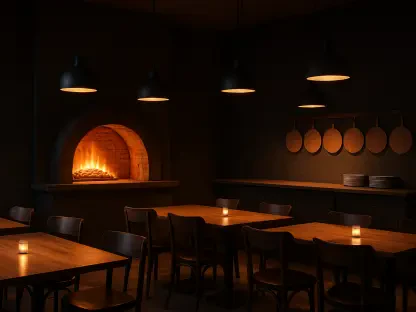

Sophisticated dining under the stars in the Red Centre serves as a cornerstone for social connection, blending luxury comfort with the rugged atmosphere of the Australian bush. This evolution in the Northern Territory’s travel landscape reflects a shift toward deep, sensory immersion that demystifies the remote Outback for a global audience. AAT Kings has spearheaded this movement, repositioning the region as a primary destination for those who seek meaningful and culturally rich experiences. By moving beyond traditional sightseeing, the travel model now focuses on the intersection of ancient heritage and modern convenience. This strategy involves curated itineraries that prioritize small-group dynamics, ensuring that every traveler experiences a personalized connection to the landscape. With an average of only sixteen participants per journey, these tours foster an environment where curiosity thrives. This intimate scale allows for a more profound engagement with the complex narratives of the Top End and Red Centre.
Ethical Tourism: A Commitment to Cultural Empowerment
The current travel season highlights the MAKE TRAVEL MATTER® initiative as the ethical foundation of every itinerary, ensuring that tourism serves as a positive force for regional development. This framework is not merely a branding exercise but a practical application of sustainable tourism that emphasizes direct economic support for local communities. By partnering with Indigenous-owned businesses and non-profit organizations, travel providers ensure that the benefits are shared equitably with the Traditional Owners of the land. This approach prioritizes heritage preservation and Indigenous employment, allowing travelers to become active participants in the social and economic health of the Northern Territory. When visitors engage with local enterprises, they contribute to the long-term sustainability of traditional practices, ensuring that the footprint of modern travel is one of respect. This commitment has fundamentally changed how visitors perceive their role, shifting from passive observers to advocates for the preservation of ancient cultures.
Active participation has replaced passive observation through the expansion of ‘walking on Country’ programs, which offer a firsthand look at the sophisticated knowledge systems of Indigenous communities. In Kings Canyon, the Karrke Aboriginal Cultural Experience provides a platform for the Wanmarra people to share their insights into bush medicine and traditional artifacts. Guests are invited to learn the symbolic language of dot painting and the practicalities of survival in a desert environment, creating a link between ancient wisdom and modern visitors. Similarly, at the Adelaide River Flood Plains, the Pudakul family-owned experience introduces travelers to the music and art of the Limilngan-Wulna Land. These interactions are essential for dismantling stereotypes and showcasing the vibrancy of contemporary Indigenous life. By integrating these programs into itineraries, travel providers have ensured that Indigenous culture remains a living component of the Australian identity, providing a nuanced understanding of the spiritual connection to ancestral lands.
Culinary Landscapes: Merging Gastronomy with Ancient Tradition
Gastronomy has emerged as a powerful tool for cultural bridge-building, with current itineraries emphasizing the unique flavors and techniques of the Northern Territory. The Under a Desert Moon dinner stands as a premier example, offering a sophisticated five-course meal set against the backdrop of the Red Centre’s silent majesty. This culinary event utilizes seasonal Australian produce and high-quality wine pairings to create a refined atmosphere that contrasts with the untamed beauty of the bush. Beyond the luxury of the meal itself, the experience is designed to connect guests with the land through their palates, making the geological history of the region more accessible and memorable. This focus on sensory engagement ensures that the landscape is not just seen, but experienced in a way that lingers long after the tour concludes. By blending the quiet grandeur of the Outback with top-tier culinary standards, travel providers have successfully elevated the bush dinner into a sophisticated ritual that celebrates the intersection of nature and fine dining.
The educational aspect of the region’s food culture is further explored through partnerships with Indigenous culinary leaders like Rayleen Brown and her business, Kungkas Can Cook. This experience provides guests with an intimate look at bush delicacies harvested by local women, highlighting the nutritional and cultural significance of native ingredients. By showcasing these traditions, the program serves as a vital pedagogical tool that teaches visitors about the complexity of Indigenous land management and food security. The fusion of ancient harvesting techniques with contemporary presentation allows for a deeper appreciation of the region’s biodiversity and the ingenuity of its original inhabitants. This 100% Indigenous-owned initiative exemplifies how ethical tourism can support economic self-determination while providing an authentic and educational experience for travelers. Such encounters allow for a sophisticated exploration of the Northern Territory’s identity, where the flavors of the land tell a story of resilience and pride.
Natural Wonders: Geological Narratives and Biodiversity
The dramatic geological formations of the Northern Territory are no longer viewed merely as physical landmarks but as sacred narrative spaces that hold deep spiritual significance. At sites like Karlu Karlu, also known as the Devils Marbles, travelers are introduced to the ancient stories of the Warumungu people, who have served as custodians of the land for generations. This storytelling approach transforms the granite boulders into a living classroom, where the history of the earth is intertwined with the cultural heritage of its people. The expert guidance provided by Travel Directors ensures that visitors understand the spiritual weight of these locations, fostering a sense of reverence that transcends standard sightseeing. In Nitmiluk National Park, the cascading waters of Leliyn, or Edith Falls, offer a similar dual experience of physical rejuvenation and historical education. While the swimming holes provide a welcome respite from the heat, the surrounding rock art serves as a permanent record of the region’s long-term human history and spiritual depth.
Biodiversity remains a central pillar of the immersive travel experience, with the Mary River Wetlands serving as a focal point for understanding the region’s complex ecosystems. A cruise on the Corroboree Billabong offers a front-row seat to the raw power of nature, where the world’s largest concentration of saltwater crocodiles can be observed in their natural habitat. This encounter provides a glimpse into a prehistoric world, emphasizing the incredible resilience of the Northern Territory’s fauna. By combining these environmental observations with expert ecological interpretation, the tours create a holistic view of the region’s natural heritage. This focus on biodiversity rounds out the cultural education provided in other segments of the journey, reminding visitors of the interconnectedness between the land and the wildlife. The sheer scale of the wetlands serves as a reminder of the importance of conservation efforts in maintaining the balance of these ancient environments. Travelers gain a nuanced understanding of the tapestry that defines the Top End.
The shift toward immersive participation effectively dismantled the traditional model of drive-by tourism, replacing it with a framework that prioritized depth over speed. Travel organizers demonstrated that the true value of a journey was found in the strength of the connections forged between visitors, local experts, and the environment. This strategy successfully integrated ethical considerations into every aspect of the itinerary, establishing a new standard for how tourism businesses could support Indigenous self-determination. Moving forward, the focus must remain on expanding these partnerships and ensuring that technological advancements in travel logistics do not overshadow the human element of storytelling. For those planning future ventures into remote regions, the success of this model suggested that seeking out small-group dynamics and Indigenous-led experiences was the most effective way to gain a comprehensive understanding of a destination. The integration of sensory engagement and ethical responsibility proved to be the necessary blueprint for authentic travel.