
Enrico Ragusa transformed a private 19th-century residence into an architectural masterpiece in 1874, setting the stage for a century and a half of elite Sicilian hospitality. The Grand Hotel et des Palmes stands as a legendary fixture of Palermo, embodying a narrative that is inseparable from the city’s own cultural evolution. Originally built as a private residence for the English Ingham family, the estate was defined by its lush gardens before being transformed into a hotel. Since its official opening in 1877, the property has served as a sanctuary for the global elite, famously hosting Richard Wagner while he composed his final masterpiece. Today, as it approaches its 150th anniversary in 2027, this storied institution is undergoing a profound metamorphosis to bridge its illustrious past with the demands of modern hospitality. This transition represents more than a simple renovation; it is a curation of Sicilian heritage designed to meet the sophisticated tastes of 2026 travelers who seek historical depth alongside contemporary comfort.
Preserving the Architectural Soul: Stile Liberty
The aesthetic heart of the hotel is rooted in the work of Ernesto Basile, a master of Italian Art Nouveau, also known as Stile Liberty. His influence remains visible in the intricate stained-glass windows, delicate woodwork, and the ethereal Winter Garden that anchors the property’s interior. Preservation efforts focus heavily on maintaining these “fin de siècle” details. This ensures that the hotel does not become a static museum but remains a living testament to Sicilian craftsmanship. The Wagner Suite, complete with the composer’s original piano and 19th-century stuccowork, continues to serve as the hotel’s crown jewel. It remains a tangible link to a bygone era of European elegance. By meticulously restoring these elements, the current management ensures that the architectural soul of the building remains intact while serving a new generation of guests who value authenticity. The harmony between the past and present is achieved through a persistent commitment to high-level craftsmanship and historical accuracy.
A Strategic Vision: The Icona’s Collection
Under the stewardship of Mangia’s Group, the hotel has entered a new chapter as part of the “Icona’s Collection,” marking the brand’s first major venture into the luxury urban market. CEO Marcello Mangia views the upcoming sesquicentennial not just as a milestone, but as a strategic relaunch centered on the philosophy of “safeguarding” unique locations. The goal is to position the hotel as a vibrant destination that balances its historical heritage with the functional expectations of the 21st-century traveler. By treating the property as an evolving entity, the management seeks to maintain its status as a premier luxury icon while deepening its integration into the social fabric of Palermo. This strategic vision moves away from traditional hotel management by emphasizing the cultural importance of the site. In 2026, the focus remains on ensuring that every operational aspect reflects the hotel’s legendary status. This involves implementing modern efficiencies while upholding elite service standards.
Reimagining Guest Accommodations: Sicilian Artistry
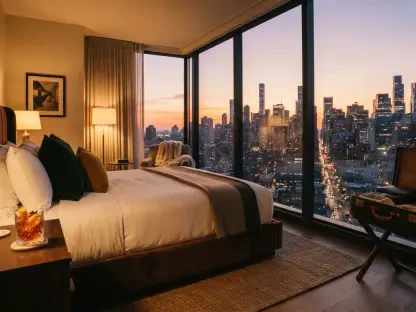
The current renovation program introduces a sophisticated design palette inspired by the Mediterranean landscape. It utilizes shades of olive green, gold, deep red, and muted blue to create a welcoming atmosphere. Guest rooms are being reimagined with a focus on “layered materials,” incorporating custom-made furnishings, marble, and textile wallcoverings to create a sense of timeless opulence. Even the most historic spaces, such as the Wagner Suite, are receiving sensitive upgrades to improve functionality without compromising their original integrity. This blend of antique charm and contemporary comfort ensures that the accommodation experience feels both rooted in history and thoroughly modern. Designers have worked to balance the heavy, ornate styles of the 19th century with the clean lines and technological integrations expected today. The result is a series of rooms that feel like private sanctuaries, offering comfort that honors the hotel’s past while looking toward the future of luxury travel.
Restoring Social Hubs: Signature Settings
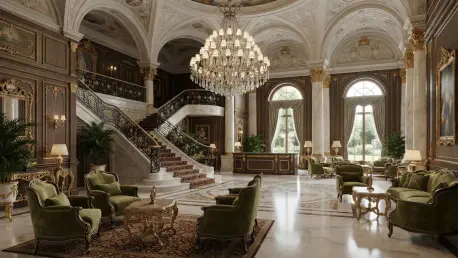
Beyond the private rooms, the renovation prioritizes the restoration of the hotel’s iconic public spaces, such as the Hall of Mirrors and the lobby bar. These areas are being revitalized to regain their status as the center of Palermo’s social life. They serve as vital gathering points for both international guests and local residents. The project also includes the expansion of the hotel’s footprint through the renovation of adjacent apartments and the upgrading of its restaurant and terrace. By enhancing these shared environments, the hotel reinforces its role as a “place for gathering,” where the grandeur of the past meets the culinary and social energy of the present. The revitalization of the Winter Garden specifically aims to create an indoor-outdoor flow that celebrates Sicily’s climate and flora. These spaces are not merely for transit. They are designed to host meaningful interactions and provide a stage for the city’s social elite, much as they did over a century ago.
Cultivating a Legacy: Cultural Engagement
The path toward 2027 was paved with a robust cultural program designed to celebrate the hotel’s 150-year legacy with the public. Starting in late 2026, the hotel hosted “Le stanze fatate” (The Enchanted Rooms), a series of artistic interventions that led into a full year of performances featuring Sicilian artists. This commitment to cultural exchange ensured that the hotel remained a landmark of Italian hospitality that belonged to the city as much as it did to its guests. By bridging the gap between private luxury and public identity, the Grand Hotel et des Palmes secured its relevance for the next century of travelers. Stakeholders recognized that the ultimate luxury was not just physical comfort, but a deep connection to history and art. Future developments were planned to include digital archives and immersive history tours to keep the narrative alive. The successful integration of heritage and innovation provided a clear blueprint for other institutions aiming to thrive in the luxury market.