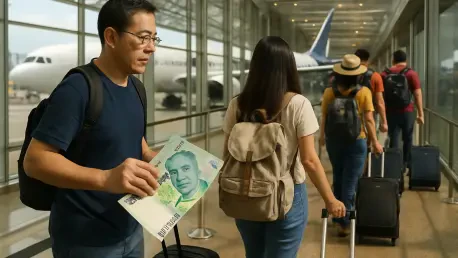

Travelers boarding international flights at Changi Airport today carry more than just their luggage; they wield one of the most resilient currencies in the world, which is fundamentally shifting the economic balance across Southeast Asian destinations. As we move through the middle of 2026, the Singapore dollar continues to demonstrate remarkable strength against regional peers, largely due to the proactive monetary policy maintained by the Monetary Authority of Singapore. While neighboring nations grapple with currency fluctuations that impact their internal pricing, the city-state has utilized its managed exchange rate to curb imported inflation and stabilize the domestic economy. This persistent valuation gap has inadvertently ignited a regional spending war, where the sheer purchasing power of Singaporean residents dictates the success of seasonal tourism campaigns in nearby countries. The resulting economic environment forces travelers and tourism boards alike to rethink their strategies, as the disparity in currency value creates a unique dual-speed market that rewards those who can adapt to these new spending dynamics.
The Mechanics: Outbound Market Dominance
Strategic Advantage: Enhanced Purchasing Power
The sustained strength of the Singapore dollar has provided local residents with unprecedented purchasing power, leading to a significant surge in outbound travel throughout the current year. With their money stretching much further in destinations like Indonesia, South Korea, and Japan, Singaporeans are prioritizing international vacations as a primary way to maximize their household spending and experience high-end leisure. This trend is supported by the country’s world-class connectivity and high income levels, making its population one of the most mobile and influential traveler groups in Asia today. Many families are finding that the cost of a luxury stay in a neighboring country is now comparable to a modest staycation at home, prompting a shift in consumer behavior that favors regional exploration over domestic spending. As a result, the outflow of capital from the city-state into regional tourism markets has accelerated, creating a windfall for international hotel chains and local service providers who are able to tap into this affluent demographic’s desire for premium experiences.
Competitive Edge: Strategic Rivalries Among Tourism Boards
Neighboring tourism boards and hospitality providers have taken notice of this shift and are aggressively competing for a larger slice of the Singaporean market through highly targeted campaigns. By offering tailored packages and bespoke luxury experiences at prices that seem like significant bargains to SGD holders, these countries are successfully redirecting substantial tourism revenue into their own economies. This strategic targeting highlights how exchange rates have become a primary tool in the regional fight for tourism dollars, as destinations move to capture high-spending visitors from the city-state. For instance, promotional efforts in the current 2026 to 2028 cycle often emphasize the increased value of the Singapore dollar, showcasing how it can unlock exclusive access to private villas, gourmet dining, and specialized tours. This competitive pressure has led to a race to the top in terms of service quality, as regional players realize that price alone is no longer the only factor; they must also offer a level of sophistication that meets high expectations.
Confronting: The High-Cost Reality for Inbound Visitors
Economic Barriers: Addressing Inbound Price Sensitivity
Conversely, Singapore’s inbound tourism sector faces the significant hurdle of being perceived as an expensive destination for its regional neighbors who earn in weaker currencies. Travelers from Malaysia, Thailand, and Indonesia are becoming increasingly price-sensitive, often opting for shorter visits or cutting back on discretionary spending like fine dining and luxury retail when they visit the city-state. This shift in visitor behavior requires a fundamental rethink of how the nation attracts regional tourists who may find the current exchange rate prohibitive for traditional leisure travel. Local businesses in the hospitality and retail sectors are feeling the impact as the volume of high-frequency, short-haul visitors fluctuates in response to the tightening economic conditions. To mitigate these effects, some operators are introducing tiered pricing or value-added bundles designed to keep the destination attractive to middle-class travelers. However, the overarching challenge remains the inherent cost of services in a high-currency environment.
Premium Identity: Leveraging Quality and Infrastructure
To address these inbound challenges, the Singapore Tourism Board is reinforcing the nation’s identity as a premium destination where the quality of the experience justifies the high cost. Instead of attempting to compete on price, the focus has shifted toward high-value attributes such as urban innovation, unparalleled safety, and its status as a global business center. Changi Airport continues to serve as a vital safety net in this regard, ensuring a steady flow of business travelers and stopover passengers who are generally less affected by minor currency fluctuations and are willing to pay for efficiency. The integration of advanced technology in tourist attractions and the development of unique, sustainable urban spaces have further solidified this premium positioning. By creating experiences that cannot be replicated elsewhere in the region, the city-state maintains its allure for a global elite and corporate clientele. This strategic focus ensures that even as regional leisure travelers become more cost-conscious, the core tourism infrastructure remains supported.
Future: Strategic Realignment and Economic Resilience
The regional spending wars of the mid-2020s established a new paradigm for how currency strength influenced the flow of travelers across the Asian continent. By navigating the complexities of a robust dollar, the industry moved toward a more sophisticated model of value creation that went beyond simple price comparisons. Singapore successfully leveraged its economic stability and premier infrastructure to remain a central hub for both high-spending outbound residents and premium inbound visitors. Moving forward, the lessons learned during this period emphasized the importance of maintaining a diverse tourism portfolio and investing in technological advantages that provided long-term resilience. Stakeholders across the region realized that while currency fluctuations were inevitable, the development of unique cultural and service-based identities was the most effective defense against economic volatility. Ultimately, the strategic realignments seen from 2026 to 2028 proved that a strong currency could be transformed from a potential barrier into a hallmark of reliability and luxury.