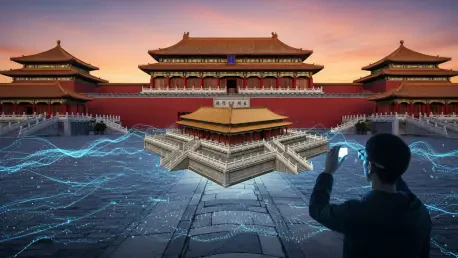

The historical corridors of the Forbidden City and the winding alleys of Beijing’s traditional hutongs are undergoing a profound metamorphosis as the city implements its comprehensive AI plus Culture and Tourism Action Plan from 2026 to 2028. This strategic initiative represents a bold shift from traditional, passive sightseeing to a fully integrated digital ecosystem that fundamentally reimagines how visitors engage with the ancient urban center. Rather than simply adding modern gadgets to old museums, the municipal government is weaving artificial intelligence into every phase of a traveler’s experience, from the initial booking process to the real-time exploration of landmarks. This initiative positions the capital as a premier “intelligent” destination, effectively bridging the gap between centuries of cultural history and future-forward automation. By prioritizing seamless interaction over static observation, the city is setting a new global standard for how technology can preserve and promote heritage while ensuring that the essence of its history remains accessible to a modern audience.
The Evolution of Intelligent Infrastructure
Strategic Pillars: The Framework of Modern Tourism
The blueprint for this massive transformation rests on four major pillars that include smart public services, digital cultural content, immersive heritage experiences, and sophisticated global marketing. These foundational elements ensure that high-tech solutions function as practical utilities rather than mere novelties, streamlining the fundamental logistics of travel such as automated hotel check-ins and real-time public transportation updates. By integrating these systems, Beijing is creating a unified platform where information flows seamlessly between the traveler and the city’s infrastructure. The objective is to eliminate the traditional frictions associated with navigating a massive urban landscape, allowing tourists to devote more cognitive energy to the cultural richness of the environment rather than the complexities of moving from one landmark to another. This infrastructure supports a diverse range of visitor needs, ensuring that whether a person is a first-time traveler or a returning professional, the city responds with precision to their unique logistical requirements.
Furthermore, the digitization of vast libraries and museum collections ensures that culture remains a dynamic and accessible force in the lives of residents and visitors alike. This digital repository allows for the creation of virtual exhibits that can be accessed globally, but more importantly, it provides the raw data for on-site AI systems to provide deep, contextual insights during a physical visit. By transforming static displays into interactive data points, the city enables a level of engagement that was previously impossible. Visitors are no longer limited by the physical text on a plaque; they can query an AI assistant for detailed histories of specific artifacts or the social history of the era in which they were created. This depth of information democratizes knowledge, making the complex history of the capital available to everyone regardless of their academic background. As these digital archives grow, they provide a robust foundation for more advanced AI applications that will continue to evolve and adapt to the changing needs of the global tourism market.
Interactive Heritage: Bringing History to Life
To move beyond passive observation, Beijing is leveraging artificial intelligence to transform landmarks like the Temple of Heaven and the Summer Palace into active, personalized environments. Sophisticated algorithms can now tailor the information provided to a visitor based on their specific interests, professional background, or even their previous travel history. For example, an engineer visiting the Great Wall might receive detailed data regarding the structural integrity and historical construction techniques used in different dynasties, while a historian might be presented with political context and military strategies associated with specific watchtowers. This level of personalization ensures that every tour is unique, providing a bespoke educational experience that resonates on a personal level. By focusing on the individual journey, the city fosters a deeper emotional connection between the traveler and the historical site, which significantly enhances the overall cultural impact of the visit.
Augmented Reality overlays further enhance this immersion by allowing travelers to witness historical events playing out in the exact locations where they originally occurred centuries ago. Using specialized glasses or smartphone interfaces, a visitor standing in the center of the Forbidden City can see digital recreations of imperial ceremonies, complete with accurate period costumes and ambient sounds. This technological layer turns the entire city into a living museum where the past and present coexist through a digital lens, providing a sensory-rich experience that traditional guidebooks simply cannot match. This approach not only makes history more exciting for younger generations but also serves as a vital tool for cultural preservation, as it allows people to experience fragile sites or lost architectural features without causing physical wear to the actual structures. The integration of AR and AI thus creates a sustainable model for high-traffic tourism that protects the city’s physical assets while maximizing their narrative potential.
Global Accessibility and Operational Excellence
Communication Solutions: Breaking the Language Barrier
A significant obstacle for international tourism in China has historically been the language barrier, which often limited non-Mandarin speakers to organized tour groups or major international hotel chains. The new action plan tackles this challenge head-on by deploying 24/7 AI-powered translation tools and intelligent digital guides that are capable of understanding linguistic nuances and local dialects. These tools are integrated into public kiosks, mobile applications, and even wearable devices, providing a “frictionless” communication environment that empowers independent travelers. By removing the fear of being misunderstood, the city is opening its traditional neighborhoods and local eateries to a much wider audience. International visitors can now navigate the complex web of public transit, order specific regional dishes, and engage with local artisans with the same confidence as a local resident, significantly broadening the scope of their cultural exploration.
Beyond simple word-for-word translation, these AI guides provide cultural context that helps bridge the gap between different social norms and customs. They can explain the significance of traditional tea ceremonies or the etiquette of visiting a local temple in real-time, preventing accidental social faux pas and fostering mutual respect between travelers and residents. This intelligent mediation is crucial for creating a welcoming atmosphere in a city that is as culturally dense as Beijing. As these systems learn from millions of interactions, they become increasingly adept at handling complex queries and providing nuanced advice on everything from local laws to the best times to visit specific districts to avoid crowds. The result is a more inclusive tourism environment where the richness of Chinese culture is no longer hidden behind a language wall, but is instead presented as an open invitation to the rest of the world.
Predictive Management: Real-Time Urban Coordination
While the traveler interacts with the user-facing digital interface, an invisible infrastructure of AI-powered governance works tirelessly behind the scenes to manage the city’s operations on a massive scale. Predictive analytics allow city officials and site managers to monitor crowd density with pinpoint accuracy, enabling them to suggest alternative routes or attractions to visitors in real-time. This prevents the frustration of overcrowding at popular sites like the Ming Tombs during peak holiday seasons, distributing the foot traffic more evenly across the city’s many cultural nodes. By managing the flow of people more efficiently, the city not only improves the visitor experience but also reduces the environmental and physical strain on its most sensitive historical sites. This proactive approach to urban management demonstrates how data-driven decisions can lead to a more sustainable and enjoyable tourism model for both the city and its guests.
In addition to crowd control, these AI tools are employed to track service quality and safety standards across the entire tourism industry. Automated systems can flag potential safety violations at amusement parks or detect unfair business practices in the retail sector, ensuring a high standard of consumer protection. This creates a more trustworthy environment for travelers, who can be confident that their safety and interests are being monitored by an impartial and highly efficient digital overseer. Furthermore, the integration of AI into governance allows for rapid response to emergencies or sudden changes in local conditions, such as weather-related travel disruptions. By utilizing a central command system that synthesizes data from thousands of sensors and cameras, Beijing can maintain a level of operational excellence that was previously unattainable, ensuring that the city remains a safe and reliable destination for millions of international and domestic visitors.
Establishing Global Standards: A Template for Smart Cities
By the year 2026, the typical visitor journey in the capital had become defined by a seamless flow of information managed by a personal digital assistant that learned a traveler’s pace and preferences. This system allowed visitors to ignore the logistical stresses of travel and focus entirely on the cultural experience, whether they were watching a digital recreation of an ancient ceremony or receiving real-time dining recommendations. The integration of baggage handling and transport logistics meant that the physical burdens of moving through a metropolitan area were virtually eliminated, as AI systems coordinated every transition with surgical precision. This evolution in travel design shifted the focus from the destination itself to the quality of the narrative experience, proving that a city could be both a high-tech hub and a guardian of ancient traditions without compromising the integrity of either.
Ultimately, Beijing’s ambitious plan was intended to serve as a global template for the future of travel and urban heritage management. As other major world cities began to compete for a limited pool of international visitors, the success of this initiative demonstrated that the winner would be the destination that best combined historical authenticity with modern efficiency. The transition to an intelligent destination ensured that the capital remained a leading voice in the global cultural conversation, providing actionable insights for other historic cities looking to modernize. By 2028, the city had effectively neutralized the conflict between high-volume tourism and site preservation through the clever application of predictive modeling and virtual augmentation. These strategies provided a clear path forward for urban planners and tourism boards worldwide, highlighting the necessity of digital integration in the sustainable development of global cultural landmarks.