
The delicate equilibrium between preserving the pristine natural beauty of the Garden Isle and supporting a vibrant economy has reached a critical turning point as Kaua‘i implements some of the most ambitious sustainability protocols in the Pacific region for the period spanning from 2026 to 2030. While many destinations struggle with the phenomenon of overtourism, this Hawaiian island has chosen to pivot toward a regenerative model that prioritizes the health of the ‘aina, or land, over simple visitor volume metrics. This transition involves a sophisticated blend of indigenous wisdom and cutting-edge environmental technology, ensuring that every facet of the tourism industry contributes more to the local ecosystem than it extracts. The shift represents a fundamental redesign of how visitors interact with the environment, moving away from passive consumption toward active participation in the island’s restoration. By establishing these high standards, local leaders aimed to create a resilient framework that protects biodiversity while maintaining a high quality of life for its residents through intentional and mindful growth.
Resource Management: Advancing Green Infrastructure and Smart Monitoring
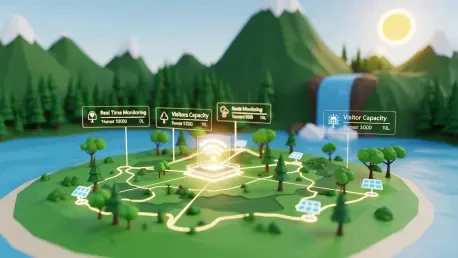
A cornerstone of this transformation involves the aggressive adoption of smart grid technologies and renewable energy systems that significantly reduce the carbon footprint of the island’s hospitality sector. Many major resorts and boutique hotels have integrated advanced energy management systems that utilize artificial intelligence to optimize power consumption based on real-time occupancy and weather patterns. These systems are often paired with localized microgrids, utilizing the island’s abundant solar and hydroelectric potential to provide clean energy even during periods of high demand. This move toward energy independence not only lowers operational costs but also shields the local community from the volatility of global fuel markets. Furthermore, the implementation of sophisticated water desalination and greywater recycling plants has allowed large-scale properties to operate with minimal impact on the island’s limited freshwater aquifers. These technological investments served as the foundation for a more responsible industry that aligns with the broader goals of environmental stewardship.
Beyond physical infrastructure, the island has revolutionized visitor management through the deployment of digital reservation systems and real-time tracking sensors at high-traffic landmarks. By requiring pre-booked time slots for popular destinations like Ha‘ena State Park, authorities have effectively capped daily foot traffic to levels that the fragile ecosystem can sustain without degradation. These digital platforms provide crucial data on visitor behavior, allowing park rangers and conservationists to identify areas of concern before permanent damage occurs. Moreover, integrated mobile applications now educate travelers about local customs and ecological sensitivities before they even step foot on a trail, fostering a culture of respect and awareness. The use of geofencing technology also helps in preventing unauthorized entry into protected habitats, ensuring that wildlife corridors remain undisturbed by human activity. This data-driven approach to tourism management has proven essential in maintaining the integrity of the island’s most iconic landscapes for visitors.
Regenerative Development: Prioritizing Community Engagement and Policy
The integration of agricultural sustainability into the tourism experience has emerged as a vital strategy for diversifying the island’s economy and strengthening food security. Many lodging providers established direct partnerships with local farmers to ensure that menus were predominantly sourced from on-island produce, reducing the environmental costs associated with long-distance shipping. This farm-to-table evolution expanded into immersive agritourism programs where visitors participated in traditional taro cultivation or reforestation efforts, bridging the gap between the travel industry and local heritage. These initiatives did more than provide a unique experience; they provided essential funding for the restoration of historical fishponds and agricultural terraces that were neglected for decades. By weaving the success of the tourism sector into the success of the local farming community, Kaua‘i created a symbiotic relationship that benefited both residents and guests. This model reinforced the idea that tourism could be a catalyst for cultural revitalization.
The strategies implemented across the island provided a robust blueprint for other ecologically sensitive regions seeking to reclaim their environments from the pressures of modern travel. Stakeholders recognized that true progress required a departure from traditional metrics of success, focusing instead on the net positive impact of each visitor’s stay. This evolution mandated a new level of cooperation between government agencies and private enterprises to ensure that the benefits were distributed more equitably. Moving forward, the island established a rigorous monitoring framework to evaluate the long-term efficacy of these programs and to adapt to emerging environmental challenges. The lessons learned from this transition emphasized the necessity of proactive management and the power of community-led conservation efforts. Ultimately, the successful recalibration of the tourism industry demonstrated that economic prosperity and environmental preservation were not mutually exclusive goals but were deeply interconnected. These actions ensured that future development projects prioritized carbon neutrality and social equity as non-negotiable requirements for partners.