
The traditional hotel industry is currently facing a massive disruption as travelers prioritize the flexibility of home-like apartments alongside the professional standards expected from luxury accommodation providers. In London’s hyper-competitive market, the necessity for efficient, high-quality lodging has never been more apparent, leading to a surge in tech-enabled hospitality solutions. By 2026, the reliance on physical lobbies and onsite staff has decreased significantly in favor of automated systems that streamline the entire guest experience. Limehome has capitalized on this trend by using proprietary technology to manage properties without the overhead of conventional hotel operations. This allows for rapid expansion into diverse neighborhoods, from the artistic streets of Shoreditch to the professional hubs of Canary Wharf. The integration of high-end design with a seamless digital interface creates a hybrid model that appeals to both short-term tourists and long-stay professionals. This operational efficiency ensures a consistent experience that travelers now demand.
Digital Infrastructure: Streamlining the Traveler Journey
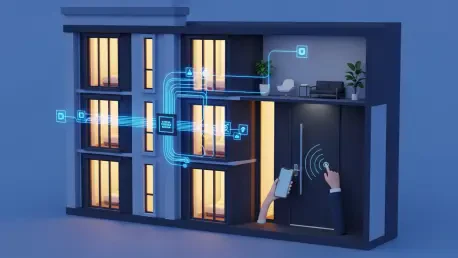
The core of this operational success lies in a robust, data-driven platform that automates the entire guest journey from booking to departure. Instead of standing in line at a reception desk, guests receive digital keys and detailed property information via their smartphones long before arrival. This system utilizes advanced algorithms to optimize occupancy rates and adjust pricing dynamically based on local events and demand fluctuations throughout 2026 and 2027. By removing the need for physical check-in counters, these properties maximize living space within each unit, providing a more spacious environment for the occupant. Furthermore, the technology enables a centralized management approach where maintenance and cleaning schedules are coordinated through a real-time dashboard. This ensures that every apartment meets a rigorous standard of cleanliness without requiring a large onsite management team. The result is a streamlined experience that caters to the modern traveler’s desire for independence and speed.
Beyond the digital interface, the design philosophy emphasizes a localized aesthetic that makes guests feel like residents rather than temporary visitors. Each property is curated to reflect the specific character of its London neighborhood, utilizing high-end furnishings and modern amenities that rival boutique hotels. This “hometel” concept bridges the gap between the sterile predictability of global hotel chains and the sometimes inconsistent quality of private short-term rentals. In the current market, from 2026 to 2029, there is a growing demand for workspaces within accommodations, leading to the inclusion of high-speed internet and ergonomic furniture in every suite. This deliberate attention to detail ensures that the units are functional for digital nomads and corporate travelers who need to maintain productivity while on the move. By prioritizing high-quality materials and thoughtful layouts, the brand creates an atmosphere of sophisticated comfort that sustains long-term loyalty in a competitive market.
Strategic Expansion: Bridging Real Estate and Technology
For property developers and institutional investors in London, this model offers a compelling alternative to traditional commercial or residential leases. The asset-light approach allows the operator to convert existing office buildings or underutilized residential blocks into high-yielding hospitality units with minimal structural changes. By 2026, many London developers have sought out these partnerships to mitigate the risks associated with the fluctuating commercial real estate sector. The automated nature of the operations significantly reduces labor costs, which are typically the largest expense in the hospitality industry. This financial efficiency translates into more stable returns for investors and more flexible lease terms for the operator. Additionally, the ability to operate smaller clusters of units within larger mixed-use developments provides a level of scalability that traditional hotel operators struggle to match. This flexibility allows the brand to penetrate niche markets and high-demand residential areas.
Building on these operational advancements, industry leaders and urban planners recognized that the success of this digital-first model required a proactive approach to local regulations and community integration. As London’s hospitality landscape evolved through 2026 and into 2028, successful operators prioritized transparent communication with local councils to ensure sustainable growth. Future developers were advised to invest in smart building infrastructure that could easily integrate with centralized management platforms to maximize long-term asset value. Property owners discovered that adopting these tech-driven solutions provided a significant competitive advantage in a saturated market. The transition toward automated hospitality highlighted the importance of balancing technological convenience with genuine aesthetic appeal to satisfy the high expectations of global travelers. Stakeholders who embraced this hybrid model positioned themselves at the forefront of a major shift in urban living. Ultimately, the focus shifted from providing a place to sleep to creating a high-quality living.