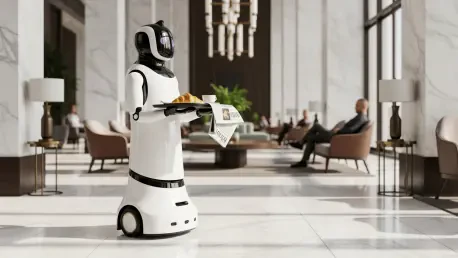

The sight of a sleek autonomous unit gliding through a crowded hotel lobby to deliver a warm croissant or a fresh towel has transitioned from a high-tech novelty into a fundamental operational standard for the global hospitality sector. This rapid evolution is driven by the integration of sophisticated artificial intelligence and advanced LIDAR sensors, allowing machines to navigate complex, high-traffic environments with remarkable precision. No longer confined to the labs of Silicon Valley, these service robots are actively reshaping how property managers view efficiency and guest satisfaction. The market for these autonomous assistants is experiencing an unprecedented surge, with recent projections indicating a valuation jump from approximately one billion dollars to well over two billion by the close of the decade. Thousands of units are currently deployed in resorts, city-center hotels, and even high-end restaurants, signaling a permanent shift toward an automated service economy. This technological wave is not merely about aesthetic appeal; it is a calculated response to the increasing demands of tech-savvy travelers who expect seamless, instant, and contactless interactions at every stage of their stay.
Addressing the Labor Crisis and Economic Stability
Labor expenses often consume a staggering thirty-five percent of a hotel’s total revenue, making human resource management one of the most volatile variables in the hospitality business. The industry continues to grapple with historic turnover rates and a persistent shortage of skilled service workers, which has forced many properties to operate at limited capacity or reduce service quality. By integrating a fleet of autonomous robots, hotel owners are finding a reliable and stable alternative to fill critical gaps in their workforce. These machines do not require breaks, healthcare, or vacation time, and they perform their duties with a level of consistency that is difficult to maintain with a revolving door of temporary staff. This shift toward automation provides a predictable cost structure for management, ensuring that essential operations continue without interruption regardless of the local labor market’s fluctuations. Consequently, the adoption of these systems has moved from a luxury perk to a strategic necessity for maintaining operational viability.
The philosophical approach behind modern hospitality robotics is not the wholesale replacement of human staff but rather the strategic augmentation of the existing workforce to enhance overall efficiency. By delegating repetitive, mundane, and physically taxing responsibilities—such as vacuuming miles of hallway carpet or shuttling extra linens to the twelfth floor—to machines, management can redistribute human talent to high-value, guest-facing roles. This redistribution allows employees to focus on the nuanced, empathetic, and personalized interactions that define the core of the hospitality experience, which algorithms cannot yet fully replicate. When a robot handles a routine towel delivery, it frees up a concierge to solve a complex travel issue or provide local recommendations, thereby increasing the perceived value of the human touch. This synergy between man and machine creates a more balanced work environment where staff members are less prone to burnout from physical exhaustion, ultimately leading to higher retention rates and a more engaged, professional team.
Operational Efficiency in Delivery and Housekeeping
Delivery and room service robots currently represent the most significant segment of the hospitality robotics market due to their immediate and measurable impact on guest convenience. These units utilize sophisticated internal mapping systems and real-time pathfinding algorithms to navigate elevators and busy corridors without human intervention. Statistics indicate that implementing these autonomous delivery systems can reduce the manual workload for room service staff by as much as thirty-five percent, allowing for faster response times and improved guest satisfaction scores. Many current models are equipped with advanced natural language processing, enabling them to communicate with guests through friendly voice prompts or touchscreen interfaces. This level of interaction adds a layer of novelty and charm to the guest experience, often becoming a highlight of their stay rather than a mere utility. As these systems become more intuitive, they are increasingly capable of handling complex orders, ensuring that the last-mile delivery within a hotel is as efficient as the logistics of a distribution center.
Housekeeping remains a critical area where automation provides a significant competitive advantage, particularly as guest expectations for cleanliness have reached an all-time high. Robotic vacuumers and autonomous disinfection units provide a consistent and documented way to manage the hygiene of public spaces, lobbies, and long corridors during off-peak hours. These machines can operate according to precise schedules, ensuring that every square inch of a property is cleaned to a specific standard without the variability of human performance. This technology is expanding rapidly because it offers a scalable solution for high-frequency cleaning tasks that are traditionally difficult to staff and supervise effectively. Furthermore, many of these robotic systems now include HEPA filtration and UV-C light sterilization, providing a level of environmental safety that exceeds manual cleaning capabilities. By automating these heavy-duty maintenance tasks, hotels can ensure their facilities are pristine while allowing the housekeeping team to focus their energy on the intricate details of room preparation and personalized guest amenities.
Enhancing Security and the Front-of-House Experience
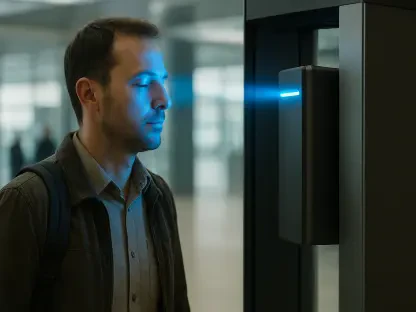
The front-of-house experience is undergoing a digital transformation as automated systems take over standardized administrative tasks that once clogged hotel lobbies. Front-desk robots are now capable of handling the entire check-in process, from scanning identification and processing secure payments to encoding key cards and directing guests to their rooms. These systems work in tandem with AI-powered digital concierges that provide around-the-clock support in multiple languages, answering common questions about local attractions or hotel amenities instantly. This 24/7 availability ensures that guests never have to wait for assistance, regardless of when they arrive or what language they speak. By automating the bureaucratic elements of the guest journey, hotels can eliminate long queues and create a more fluid, welcoming atmosphere in the lobby. The data collected by these systems also allows for a more personalized guest profile, enabling the hotel to anticipate needs based on previous stays or specific preferences shared during the automated check-in process, thus deepening the relationship.
Beyond guest services, robotics is playing a vital role in hotel security and perimeter management, offering a high-tech layer of protection that operates silently in the background. Autonomous security robots equipped with 360-degree high-definition cameras, thermal imaging, and acoustic sensors are now used to patrol parking lots, loading docks, and exterior walkways. These machines provide real-time video feeds to a central monitoring station, using artificial intelligence to detect unusual activity or potential safety hazards like spills or blocked fire exits. The presence of these visible, high-tech security units often serves as a deterrent to criminal activity while providing guests with a tangible sense of safety during their stay. In many cases, the integration of these robotic security systems has led to a measurable reduction in insurance premiums for property owners, as the constant, recorded monitoring significantly lowers the risk of accidents and liability claims. This application demonstrates that robotics is not just a tool for convenience but a comprehensive infrastructure solution.
Economic Viability and Integration Strategies
While the initial capital expenditure for advanced robotics was once a major deterrent, the financial landscape of the industry has shifted dramatically in favor of widespread adoption. Market competition among hardware manufacturers has led to significant price reductions, making entry-level delivery and cleaning units accessible even to mid-scale and budget-friendly properties. Furthermore, the emergence of the Robot-as-a-Service or RaaS model has revolutionized how hotels invest in this technology. Instead of a large upfront purchase, properties can now lease their robotic fleet for a monthly fee that is often significantly lower than the cost of a full-time employee performing the same tasks. This model creates an immediate return on investment by reducing operating expenses from the first day of deployment. It also ensures that the hotel always has access to the latest software updates and hardware repairs, as maintenance is typically included in the service agreement. This shift from a capital expense to an operational expense has lowered the barrier to entry for many independent boutique hotels.
Successfully integrating these advanced units required a significant reevaluation of hotel infrastructure and a careful balance between technology and human hospitality. Property managers discovered that success depended heavily on robust Wi-Fi connectivity and the installation of specialized elevator modules that allowed autonomous units to change floors without assistance. Older buildings often required significant retrofitting to accommodate the sensors and charging stations needed for a modern robotic fleet. However, those who embraced these changes found that the transition led to a more streamlined and responsive service model. Hoteliers eventually learned to strike a balance where technology handled the logistical burden while human employees focused on building emotional connections with guests. The industry moved toward a future where multi-purpose robot fleets became standard components of a property’s operational backbone rather than luxury novelties. By prioritizing these strategic upgrades, the hospitality sector successfully navigated the complexities of modernization, ensuring that properties remained competitive, safe, and efficient.