
Imagine a diner scrolling through a vibrant feed of culinary photography in downtown Chicago, only to find that the most enticing restaurant requires a separate phone call or a clunky third-party website to secure a seat. For years, the restaurant industry operated under this fragmented model, where the act of finding a place to eat was fundamentally disconnected from the actual process of getting a table. This divide created significant friction, often leading potential customers to abandon their search in favor of a more convenient, though perhaps less desirable, alternative. However, the landscape in 2026 shows a profound shift as digital platforms have successfully moved beyond their origins as simple directories. These entities have evolved into comprehensive operational suites that manage every touchpoint of the dining journey, from the first spark of interest to the final payment at the table. By integrating deep consumer data with sophisticated front-of-house tools, the industry has managed to close the loop between digital discovery and physical execution. This transformation is not merely about convenience; it is a fundamental restructuring of how hospitality businesses engage with their audience, ensuring that no lead is lost in the transition from a search result to a seated guest.
Historical Shifts: Moving from Reviews to Management
The journey of the platform from a 2004 startup into a dominant force in restaurant operations was a deliberate, multi-decade process that redefined the role of consumer data. Originally founded by former PayPal colleagues, the platform spent its early years focused almost exclusively on the democratization of the review process, allowing everyday diners to share their experiences through text and photos. While this created a massive repository of subjective information, it left a critical gap in the business model: the platform could influence where people wanted to go, but it could not facilitate the actual visit. Recognizing this limitation, the company began a strategic pivot toward providing active management tools that would offer more tangible value to business owners. This shift was designed to transform the site from a passive billboard into an active participant in a restaurant’s daily workflow, moving beyond the screen and into the physical space of the dining room.
A major catalyst for this evolution was the acquisition of SeatMe, a specialized startup that provided the technical framework for online reservations and table management. This acquisition allowed the platform to move into the “transactional” phase of the customer journey, providing a direct link between a user’s search query and a restaurant’s live seating chart. By 2026, this ecosystem has matured to include hundreds of millions of reviews and nearly half a million paying business accounts, creating a massive data set that serves as a unique competitive advantage. Unlike specialized reservation systems that only see a customer at the moment of booking, this integrated model understands the entire discovery process. It tracks what keywords a user searched for, which photos they hovered over, and which reviews they found helpful, using that intelligence to power operational tools that help restaurants run more efficiently and anticipate the needs of their guests before they even walk through the door.
Eliminating Friction: The Logic of Integrated Booking
One of the most persistent hurdles in modern restaurant management has been the “operational handoff,” a point of failure where a potential customer is lost due to a disjointed booking process. Even if a restaurant maintains an impeccable reputation and high star ratings, a cumbersome reservation system can act as a deterrent, causing a high abandonment rate among tech-savvy diners. When there is too much friction between the discovery of a restaurant and the securing of a table, the consumer is likely to pivot to a competitor that offers a more streamlined experience. To combat this, the integrated suite creates a seamless path within a single interface, allowing users to move from viewing a photo of a dish to joining a waitlist in a matter of seconds. By keeping the entire transaction within one ecosystem, the platform significantly lowers the barrier to entry, ensuring that the momentum generated during the discovery phase translates directly into a confirmed reservation.
For the restaurant operator, this connectivity means that the demand generated by their online presence is captured immediately and accurately. In the traditional model, a restaurant might see high traffic on their profile but struggle to convert those views into actual diners because the “call to action” was disconnected from the live inventory of tables. The current integrated approach funnels that interest directly into a digital seating chart, providing the host stand with a clear picture of incoming traffic. This integration ensures that marketing efforts are not just creating “brand awareness” but are filling seats in real-time. This level of synchronization is essential for maximizing revenue, particularly for independent and regional establishments that do not have the massive marketing budgets of national chains. By turning every profile visit into a potential booking opportunity, the platform helps restaurants capture the full value of their reputation without requiring the guest to perform extra steps or navigate third-party sites.
Digital Command Centers: Modernizing the Host Stand
At the heart of this technological shift is a comprehensive guest management tool that has effectively replaced the traditional paper logs and basic spreadsheets of the past. This digital command center provides the host stand with a real-time, bird’s-eye view of the entire dining room, allowing staff to oversee table utilization with unprecedented precision. Instead of relying on manual estimates or sticky notes, managers can now track exactly how long each party has been seated and identify which tables are likely to turn over in the next ten minutes. This level of visibility is crucial for optimizing the flow of guests, especially during the high-pressure shifts of Friday and Saturday nights. By providing a structured workflow for assigning new guests to open spots, the system prevents the bottlenecking that often occurs when a host stand is overwhelmed by a sudden influx of walk-ins and reservations occurring simultaneously.
The transition to a digital guest manager also enables a more sophisticated approach to server rotation and section management, ensuring that the workload is distributed fairly across the staff. When a host can see exactly which server has the most active covers, they can make smarter seating decisions that prevent any single employee from becoming “weeded” or overwhelmed. This directly impacts the quality of service, as servers who are not over-extended are better able to provide the high-level hospitality that leads to positive reviews. Furthermore, the system stores historical data on guest preferences and past visits, allowing the host to greet returning customers with a level of personalization that was previously impossible without a dedicated maître d’. This technology essentially acts as an additional member of the team, handling the administrative heavy lifting so that the human staff can focus on making guests feel welcome and valued from the moment they enter the establishment.
Optimizing the Queue: The Science of Remote Waitlists
The introduction of digital waitlist features has revolutionized how restaurants handle the inevitable crowds that accompany success. In the past, a popular restaurant often meant a crowded entryway filled with frustrated people waiting for their names to be called, which created a chaotic atmosphere for both the staff and the diners. The modern digital waitlist solves this problem by allowing guests to join the queue remotely through their smartphones, providing them with accurate, automated updates on their status via text message. This transparency helps manage expectations, as guests can see exactly how many parties are ahead of them and receive a notification when their table is nearly ready. When diners have a clear understanding of the wait time, they are much less likely to grow impatient or leave for another venue, which preserves the restaurant’s potential revenue during peak hours.
Beyond just improving the guest experience, the digital waitlist provides the restaurant with valuable data on “walk-away” rates and peak demand times. By analyzing when people are most likely to join the waitlist and how long they are willing to wait, managers can adjust their staffing levels and kitchen prep schedules accordingly. This proactive approach to queue management also reduces the physical congestion at the restaurant’s entrance, creating a more pleasant environment for guests who are already seated. Instead of hovering near the host stand, waiting guests can explore the surrounding neighborhood or grab a drink at a nearby bar, knowing that their place in line is secure. This systemic approach to managing high-volume periods ensures that the restaurant operates at maximum capacity without sacrificing the professional and organized atmosphere that defines a high-quality dining experience.
Automated Intelligence: Reimagining the Inbound Phone Call
One of the most significant technological leaps in the industry involves the use of agentic AI to handle the persistent challenge of inbound phone calls. For many restaurants, the telephone remains a major bottleneck; calls for reservations or basic inquiries often arrive during the busiest parts of the service, when the host is occupied with seating guests or checking coats. This leads to missed calls, which represent lost revenue and a poor first impression for potential diners. The AI-powered assistant addresses this by acting as a virtual host that can handle routine tasks without human intervention. Because the AI is directly integrated with the restaurant’s live reservation book, it can schedule bookings, add callers to the waitlist, and even answer specific questions about the menu or parking availability with remarkable accuracy.
This shift from simple automated menus to interactive, task-oriented AI marks a new era in operational efficiency, particularly for businesses facing labor shortages. The system is designed to distinguish between a genuine guest inquiry and the various spam or telemarketing calls that frequently plague business lines. By filtering out these distractions, the AI ensures that the physical staff is only interrupted when a situation truly requires a human touch, such as a special event inquiry or a complex dietary request. This level of automation allows a restaurant to maintain a professional front-of-house presence twenty-four hours a day, ensuring that a guest can book a table at midnight just as easily as they could during business hours. The result is a more resilient operation that captures every possible lead while allowing the on-site team to focus entirely on the guests currently in the building.
Closing the Feedback Loop: Beyond Public Star Ratings
While public reviews remain a cornerstone of a restaurant’s reputation, they often provide an incomplete picture of daily performance, as people are most motivated to write a review when their experience was either exceptionally good or notably poor. To provide a more balanced and actionable perspective, the platform has integrated sophisticated post-dining survey tools that allow owners to collect private feedback directly from guests shortly after their meal. This internal feedback loop is invaluable for identifying small operational issues—such as a slightly cold dish or a slow drink refill—before they escalate into a public complaint. By catching these issues early, managers can reach out to the guest immediately to resolve the situation, often turning a potentially negative experience into a demonstration of excellent customer service that fosters long-term loyalty.
These survey features also provide a wealth of structured data that helps operators understand the nuances of their business performance over time. Unlike a free-form review, these surveys can ask specific questions about service speed, food quality, and cleanliness, allowing for a more granular analysis of the guest experience. This data can be segmented by time of day, server, or even specific menu items, providing a clear roadmap for where the restaurant needs to improve or where it is excelling. By moving beyond the binary of “good” or “bad” ratings, the platform empowers restaurant owners to make data-driven decisions that enhance their service standards. This proactive approach to quality control ensures that the restaurant is constantly evolving based on actual guest sentiment, rather than just reacting to the loudest voices on the internet.
Visual Innovation: Bringing the Menu to Life
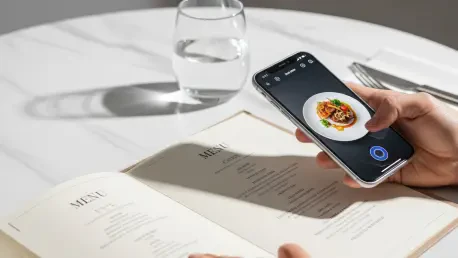
In an era where visual storytelling is paramount, the integration of augmented reality and high-resolution photography has changed how diners interact with menus. Tools such as Menu Vision allow guests to use their phone cameras to see high-quality photos of specific dishes overlaid directly onto a standard text menu. This technology bridges the gap between the static descriptions found on a printed page and the vibrant, user-generated content found on review sites. By providing a clear visual representation of what to expect, the platform increases guest confidence and helps them make more informed ordering decisions. This is particularly effective for unique or complex dishes that might be difficult to visualize based on text alone, often leading to a higher average check size as diners are more likely to order items that they have seen and found appealing.
Furthermore, these visual tools serve as a bridge between the digital discovery phase and the physical dining experience. When a guest sees a photo of a signature cocktail on a review site and then sees that same image reflected in an augmented reality menu at the table, it creates a sense of continuity and brand reliability. For the restaurant owner, this means that the effort put into plating and presentation is fully leveraged across all digital and physical touchpoints. This visual consistency is a powerful marketing tool that reinforces the restaurant’s identity and helps to set expectations that the kitchen can consistently meet. By placing these visual assets directly in the hands of the diner at the moment of the ordering decision, the platform helps to reduce “ordering anxiety” and ensures that the guest’s final choice is one that will leave them satisfied.
Data-Driven Success: Attributing Value in Marketing
One of the most difficult challenges for restaurant owners has historically been understanding the true return on investment for their marketing and advertising expenditures. The fragmented nature of the old model made it nearly impossible to know if a specific ad led to a seated guest or if the guest found the restaurant through word-of-mouth. The integrated platform solves this problem by providing sophisticated traffic attribution tools that track the entire guest journey. Owners can now see a direct line from a specific advertisement or a social media link to a confirmed booking or a waitlist join. This level of transparency allows for much smarter budgeting, as operators can identify which platforms and strategies are actually driving revenue and which are underperforming, allowing them to reallocate their resources for maximum impact.
This data-driven approach to marketing also enables restaurants to calculate a “Cost Per Seated Diner,” a metric that provides a much clearer picture of business health than traditional “impressions” or “clicks.” By understanding exactly how much it costs to acquire a new customer through different channels, owners can make informed decisions about their growth strategies. While the market for guest management software includes many established players, the ability to control both the discovery phase and the booking phase gives this integrated model a distinct advantage. Many competing platforms focus only on the operational side or the loyalty side, but having access to both allows for a comprehensive view of the customer lifecycle. This allows independent and regional restaurants to compete on a level playing field with larger entities, using their data to build a sustainable and profitable business in an increasingly crowded marketplace.
Forward Path: Actions for the Integrated Restaurant
The evolution of dining technology established a new standard where the boundary between digital presence and physical service essentially disappeared. Restaurant operators who embraced this integration successfully moved away from manual, error-prone systems toward a streamlined model that captured guest intent at the earliest possible stage. By utilizing automated tools for reservations and waitlist management, these businesses managed to maximize their capacity while maintaining a high level of hospitality. The implementation of agentic AI proved to be a critical solution for labor challenges, allowing staff to focus on the guests in front of them rather than the phone ringing in the background. This shift confirmed that technology should not replace the human element of dining but rather serve as the foundation that allowed it to thrive in a high-demand environment.
Moving forward, the primary goal for any dining establishment remained the consistent delivery of a superior guest experience, supported by the data provided by these integrated platforms. Owners looked toward attribution metrics to refine their marketing spend, ensuring that every dollar contributed to a seated diner rather than just a digital impression. The industry also benefited from the closing of the feedback loop, using private surveys to correct operational drift before it impacted public reputation. As the market became more competitive, the ability to present a cohesive visual identity through augmented reality and high-quality photography became a requirement rather than a luxury. Ultimately, the successful restaurants of this era were those that viewed their digital and physical operations as a single, unified entity, using technology to bridge the gap between initial discovery and a memorable meal.