
The transformation of urban mobility in Madison has reached a critical juncture where traditional peak-hour commuting no longer dictates the primary rhythm of the city’s transportation network. For many years, the logic of public transit was built almost exclusively around the nine-to-five workday, which effectively funneled residents from the suburban periphery into the downtown Isthmus each morning and reversed the flow every evening. However, the widespread adoption of hybrid work environments and flexible scheduling has permanently altered these movements, creating a much more distributed demand for services throughout the entire day. This shift presents both a significant operational challenge and a unique opportunity for city planners who must now recalibrate Metro Transit services to accommodate a population that moves for diverse reasons at varied times. As the city continues to grow and densify, the focus has moved toward creating a high-frequency, reliable backbone that serves more than just the office-bound professional, ensuring that all workers have equitable access to the city’s core.
Reimagining Urban Movement: The Shift Toward Decentralized Patterns
Adapting to Flexible Schedules and Diverse Needs
The decentralization of the traditional office space has forced a comprehensive reevaluation of how bus routes are mapped across the greater Madison metropolitan area to ensure maximum efficiency. Instead of a radial system that prioritizes a single destination, the current strategy emphasizes a grid-like connectivity that links residential neighborhoods directly to secondary commercial hubs and healthcare centers. Recent data analytics from mobile transit applications suggest that mid-day ridership has seen a marked increase, as residents now utilize public transit for various errands, medical appointments, and social gatherings rather than just the daily commute. This trend necessitates a departure from the traditional “commuter rail” mindset in favor of a “lifestyle network” that remains active and accessible from early morning until late at night. By reducing headways during off-peak hours, the city aims to eliminate the long wait times that historically deterred many from choosing the bus over a personal vehicle.
Integrating Real-Time Data and Digital Infrastructure
Beyond the timing of trips, the nature of the transit experience itself is evolving to meet the heightened expectations of a more tech-savvy and demanding passenger base within the city. Modern riders prioritize seamless digital integration, where real-time tracking and contactless payment systems are not merely perks but essential components of the daily service. Madison’s investment in advanced signaling priority systems allows buses to communicate with traffic lights, ensuring that transit vehicles are not stalled by local congestion, which effectively provides a competitive edge over private car travel. This technological layer also facilitates better communication between the transit authority and the public, allowing for rapid adjustments based on real-time ridership surges or weather-related delays. As the city integrates these digital tools, the focus remains on building trust through reliability, ensuring that every trip is predictable, efficient, and fully integrated into the user’s digital lifestyle.
Strategic Infrastructure: Building a Resilient Multi-Modal Network
Implementing Advanced Technology and Sustainable Solutions
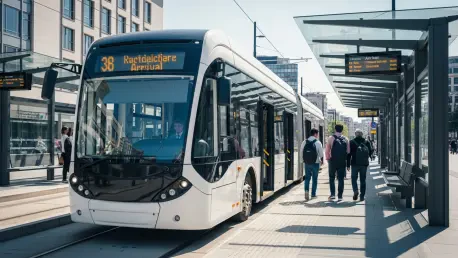
The rollout of the Bus Rapid Transit (BRT) system stands as a centerpiece of Madison’s transit strategy, designed to provide subway-like efficiency using high-capacity electric buses. By utilizing dedicated lanes and specialized stations with level boarding, the BRT minimizes the delays associated with traditional curbside stops and heavy traffic interference in the downtown core. This infrastructure investment does more than just move people faster; it serves as a powerful signal to developers and businesses that certain corridors are primed for long-term growth and high-density residential projects. Consequently, the city is seeing a surge in transit-oriented development along the East-West line, where new apartment complexes and mixed-use buildings are designed specifically to capitalize on the proximity to high-frequency transit. This alignment of transportation and land-use planning is essential for managing the city’s population growth without exacerbating existing parking shortages.
Future-Proofing the Transit Network Through Strategic Action
The successful navigation of Madison’s shifting travel landscape required a proactive stance that went beyond mere reactionary adjustments to fluctuating ridership data across the region. City officials recognized that the longevity of the transit system depended on its ability to offer a competitive alternative to ride-hailing services and private car ownership. Therefore, the implementation of flexible route structures and the expansion of the BRT network were prioritized to ensure that high-frequency service reached diverse demographic groups. Policymakers focused on securing long-term funding models that decoupled transit revenue from volatile fuel prices, instead looking toward integrated development fees and public-private partnerships. By fostering a collaborative environment where urban planning, environmental goals, and technological innovation converged, the city established a blueprint for resilient infrastructure that other municipalities began to emulate for long-term success.