
South Korea’s capital is currently experiencing its most dramatic hotel industry overhaul since the 1970s as legacy properties sacrifice room volume for unprecedented levels of square footage and opulence. This metamorphosis signifies a departure from the traditional five-star model, which historically prioritized high capacity to accommodate the initial surges of international business travelers. Today, the landscape is being redefined by a quality over quantity ethos that aligns with the expectations of a global elite seeking exclusivity and personalized experiences. The rapid maturation of the South Korean market has necessitated a structural recalibration, where the prestige of an establishment is measured by its architectural grandeur and the privacy it affords rather than its total key count. This trend is a fundamental pivot toward an ultra-luxury tier that places Seoul in direct competition with established hospitality giants like London and Tokyo. The shift is further amplified by the global reach of K-culture, which has transformed the city into a mandatory destination for affluent travelers who demand nothing less than world-class sophistication.
Modernizing the Foundation: A Shift in Legacy Strategy
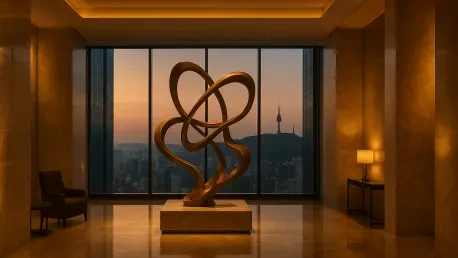
The foundational pillars of the local hospitality sector, often referred to as the first-generation luxury hotels, are now leading this movement toward extreme opulence. Established during the economic boom of the late twentieth century, properties such as the Westin Josun and The Shilla Seoul were originally designed to serve as symbols of national progress and industrial success. However, as the global traveler’s profile has evolved, these legacy institutions are finding that maintaining relevance requires more than just historical prestige. They are currently undergoing massive renovations that focus on expanding the footprint of individual guest rooms and enhancing common areas with curated art and high-end retail. By prioritizing the creation of expansive suites over standard rooms, these hotels are effectively courting a demographic that values spaciousness as a primary luxury. This strategic repositioning ensures that the city’s most venerable brands remain competitive against the influx of international chains, while also preserving the cultural heritage and storied reputations that have made them landmarks for decades.
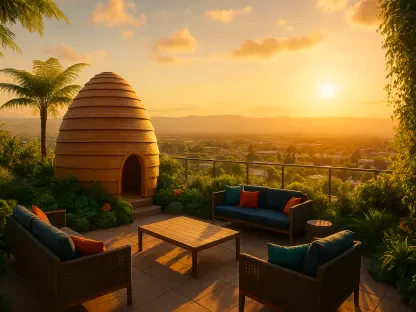
A prominent example of this radical downsizing for the sake of quality is the Lotte Hotel Seoul, which recently executed a comprehensive overhaul of its main facility. By collaborating with renowned international designers, the hotel significantly reduced its room density, moving from a capacity of over seven hundred units to fewer than six hundred. This reduction allowed for the birth of the Grand Lotte Seoul, a concept that emphasizes lavish appointments and a more intimate, exclusive atmosphere for its guests. In a similar vein, The Plaza is entering a multi-year hiatus to completely reinvent its interior structure, aiming to emerge as a premier hub specifically tailored for high-tier VIP business travelers. These renovations are often accompanied by the integration of unique cultural elements, such as on-site museums honoring the history of the location or rooftop gardens that pay homage to the auspicious neighborhoods they occupy. Such efforts demonstrate a sophisticated understanding of modern hospitality, where the physical environment must tell a compelling story while providing the highest level of contemporary comfort and technological integration.
Global Entrants: Establishing a New Competitive Standard
The entry of global ultra-luxury brands into the South Korean capital marks a pivotal moment, signaling that the city has officially joined the ranks of the world’s most prestigious hospitality hubs. Chains known for extreme privacy and boutique service are establishing a foothold in districts like Cheongdam-dong and Yongsan, which have become synonymous with wealth and style. For instance, the Swiss-based Aman brand is moving toward a 2030 opening, selecting a site that captures the intersection of traditional culture and modern technological prowess. Similarly, the Mandarin Oriental and Rosewood are planning significant debuts, bringing their signature standards of excellence to a market that was once dominated by domestic conglomerates. This wave of international investment is a clear indicator that global luxury leaders view the capital as a stable and highly lucrative market with long-term growth potential. The presence of these brands creates a self-reinforcing cycle of prestige, drawing in more high-net-worth visitors and encouraging local developers to further elevate their own service standards and architectural ambitions to match global benchmarks.
Domestic competition is intensifying as local industry leaders respond to the international incursion with ambitious projects of their own. The Paradise Group is currently developing an all-suite hotel in the Jangchung-dong area, strategically positioned to challenge established players like The Shilla. This development is not merely about adding more beds to the market; it is about creating a specialized enclave of luxury that offers a localized alternative to global chains. This healthy rivalry is pushing the boundaries of what is possible in the South Korean hospitality sector, resulting in innovations in guest service, culinary offerings, and wellness facilities. Furthermore, the concentration of high-end hotels in specific neighborhoods is creating luxury corridors that attract complementary businesses, such as designer boutiques and Michelin-starred restaurants. This clustering effect enhances the overall appeal of the city, making it a more multifaceted destination for travelers who want a cohesive experience across all aspects of their stay. As these local and international entities vie for market share, the ultimate winner is the traveler, who now has access to an unprecedented variety of world-class accommodations.
Cultural Catalysts: Driving Demand Through Global Influence
The financial momentum behind this surge in luxury investment is deeply rooted in the global phenomenon of Korean culture, which continues to drive record tourism numbers into 2026. South Korea recently surpassed previous benchmarks for foreign visitors, fueled by an insatiable international appetite for the country’s music, film, fashion, and beauty industries. This cultural gravity has transformed the capital into a primary destination for leisure tourism, particularly among younger, affluent travelers who are willing to spend significant sums on premium experiences. Statistics from current market analyses show a robust recovery in the hospitality sector, with occupancy rates remaining consistently high and exceeding pre-pandemic levels. More importantly, the revenue per available room has seen a dramatic increase, climbing by nearly seventy percent compared to levels seen just a few years ago. This rising profitability is a key driver for investors, who see the ultra-luxury segment as a resilient asset class that can withstand broader economic fluctuations. The synergy between cultural exports and tourism demand ensures a steady stream of high-value guests, providing a solid foundation for continued investment.
Despite the clear demand for premium lodging, the physical supply of new hotel rooms has been constrained by several economic factors, including the high cost of land and construction in the city’s most desirable areas. Skyrocketing prices for prime real estate, combined with the complexities of financing large-scale developments, have made the construction of traditional mass-market hotels less financially viable. Consequently, developers are pivoting toward luxury-focused strategies that yield higher margins per room, allowing them to maximize the return on their significant capital investments. This shift is a practical response to a tight real estate market where every square foot must generate the highest possible value. By focusing on a smaller number of high-priced units, developers can maintain lower operational overhead while delivering a superior product that justifies a premium price point. This economic reality has accelerated the transition to ultra-luxury, as it is often the only way to ensure the long-term profitability of a new hotel project in a competitive urban environment. As a result, the market is seeing a concentration of investment in the top tier of hospitality.
Strategic Synergy: The Future of Urban Elegance
A significant trend currently reshaping the industry is the integration of ultra-luxury hotels with high-end residential components, creating a new model of mixed-use development. Projects such as the upcoming Aman Seoul are being designed alongside branded residences, which offer private owners the same amenities and services provided to hotel guests. This synergy is highly attractive to developers because it allows them to mitigate the high risks and costs associated with hotel operations through the immediate sale of luxury apartments. For the residents, these homes offer a lifestyle associated with a world-class brand, often commanding a significant price premium in the real estate market. This model has seen immense global growth over the last decade and its arrival in the capital signifies the city’s full integration into the international luxury real estate scene. These branded residences are not just apartments; they are status symbols that provide a seamless transition between hospitality and home life. By combining these two sectors, developers can create more robust financial structures for their projects while also building a permanent community of affluent individuals who are invested in the brand.
The impact of these integrated luxury developments extends far beyond the hotel walls, acting as a catalyst for broader neighborhood revitalization and urban growth. When a prestigious brand enters a district, it elevates the profile of surrounding office spaces and retail centers, attracting a higher caliber of tenants and increasing overall property values. This halo effect is particularly visible in areas like Sogong-dong and Yongsan, where high-end hospitality projects are anchoring massive redevelopment efforts that include public parks, cultural centers, and innovative commercial spaces. This approach to urban planning recognizes that a luxury hotel is more than just a place to sleep; it is a vital organ in the city’s economic and social ecosystem. By creating these sophisticated lifestyle hubs, the capital is successfully transitioning toward a service-oriented economy that leverages its cultural prestige to drive sustainable urban development. The presence of these world-class facilities ensures that the city remains an attractive destination for global investment and a vibrant center for international business and leisure, solidifying its position as a forward-looking metropolis.
The transformation of the hospitality landscape in the capital demonstrated that the city was no longer satisfied with following global trends but was actively setting them. Stakeholders in the real estate and tourism sectors recognized that the path to long-term success required a bold departure from the high-density models of the past. By prioritizing exclusivity, cultural integration, and strategic real estate partnerships, developers successfully navigated a complex economic environment while meeting the demands of an increasingly sophisticated global audience. The lessons learned from this period suggested that for any major metropolitan area to thrive as a luxury hub, it had to offer more than just modern facilities; it had to provide a unique cultural identity and a level of service that felt both personal and world-class. Moving forward, the city should continue to foster collaborations between the private sector and local communities to ensure that these luxury developments contributed to the overall social and economic well-being of the capital. Investors were encouraged to look beyond immediate returns and focus on building lasting legacies that would define the city’s skyline and international reputation for decades. This period proved that with the right combination of vision and capital, a city could redefine itself as a center for opulence.