
The transformation of filming sites into integrated Hallyu Olle Trails is designed to encourage overnight stays in local economies rather than the brief day trips that typically characterize regional travel. As international interest in South Korean culture reaches an all-time high, the focus of the national tourism board has shifted toward leveraging the massive global reach of television dramas to decentralize visitor density. Historically, travelers have clustered within the metropolitan boundaries of Seoul, drawn by its iconic landmarks and urban energy. However, the Korea Tourism Organization is now actively using entertainment intellectual property to draw these crowds into the scenic, often overlooked landscapes of the rural provinces. By transforming passive viewers into active explorers, the government aims to distribute economic benefits more equitably across the entire peninsula. This initiative represents a sophisticated move beyond simple sightseeing, aiming to build a deeply personal connection between the global audience and the diverse regional identities found throughout Korea today.
Interactive Gateways: Connecting Fans to Rural Landscapes
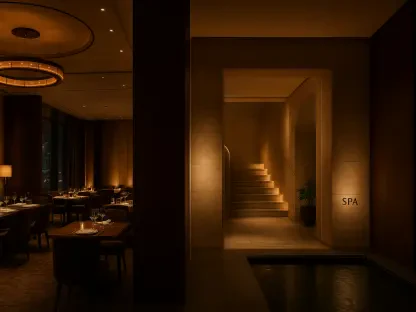
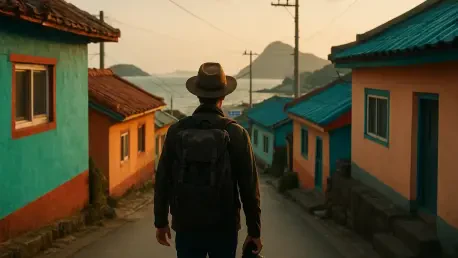
The primary catalyst for this shift is the “K-Drama Experience Exhibition” located at HiKR Ground in Seoul, which serves as a high-tech gateway for international visitors. By utilizing iconic imagery and set designs from globally recognized hits such as “Goblin” and “Hometown Cha-Cha-Cha,” the exhibition uses immersive storytelling to ignite curiosity about remote filming locations. One of the most popular features is the “red door” portal, a narrative device from “Goblin” that symbolically transports visitors from the heart of the capital to the rugged coastlines and historic fortresses seen on screen. Furthermore, visitors can engage with an information desk modeled after the aesthetic of “Hotel Del Luna,” where they receive a “memory notebook” to document their favorite dialogue and scenes. This physical interaction with media content bridges the gap between the digital screen and the physical world, making a journey to a distant village like Buyeo County feel both familiar and accessible to travelers who might otherwise stay in the city.
Narrative Portals: Turning Viewers into Active Explorers
Moving beyond static displays, the exhibition incorporates a sophisticated recommendation system that functions as a personalized travel agency fueled by fan passion. As visitors interact with the various installations, they provide data about their specific narrative preferences, which the system then processes to generate a “small travel ticket.” This ticket offers curated recommendations for regional destinations that align with the visitor’s favorite characters or aesthetic styles, providing clear instructions on how to reach these sites. This mechanism is crucial for converting casual media consumption into concrete travel plans, as it removes the logistical barriers that often deter foreign tourists from leaving the capital. By linking emotional resonance with specific geographic coordinates, the initiative ensures that the provincial landscapes of Korea are no longer seen as just backdrops, but as essential destinations that offer a unique continuation of the drama experience for every visitor seeking to explore the country’s hidden treasures.
Strategic Integration: Pre-Production and Infrastructure Scouting
To ensure that these regional locations are capable of sustaining increased visitor traffic, the Korea Tourism Organization has begun collaborating with major production houses like Studio Dragon during the pre-production phases of television dramas. Instead of waiting for a show to become a global phenomenon before developing a tourism product, officials now scout filming sites based on their existing infrastructure, accessibility, and potential for long-term development. This proactive approach allows for the creation of “Hallyu Olle Trails,” which are meticulously designed routes that connect filming sites with nearby cultural landmarks and local hands-on programs. By identifying these resources before the first camera rolls, the industry can prepare local businesses for an influx of tourists, ensuring that the economic impact is both positive and sustainable. This strategic alignment between the entertainment and tourism sectors transforms temporary filming locations into permanent cultural assets that contribute to the regional economy for years.
Evolving Interests: The Surge in Specialized Cultural Experiences
This shift in strategy also responds to a notable change in traveler behavior, as a growing percentage of visitors are now repeat travelers who have already explored Seoul’s major landmarks. Current data suggests that nearly eighty percent of international arrivals intend to return to the country within a short timeframe, and many have visited three or more times in the recent past. These seasoned tourists are increasingly moving away from traditional sightseeing in favor of hands-on experiential content that allows them to engage more deeply with the local culture. Demand for specialized programs, such as traditional cooking classes in Andong or professional photography tours in Gangneung, has surged as travelers seek to replicate the lifestyles and activities they see portrayed by their favorite characters. As a result, the industry is pivoting away from generic bus tours aimed at broad demographics, focusing instead on niche, high-value products that cater specifically to a younger, media-savvy audience.
Economic Evolution: The Lasting Impact of Immersive Tourism
The transition toward integrated media-driven travel established a new benchmark for regional development across the country. By focusing on the emotional connection of fans, local governments successfully transformed static filming sites into vibrant, multi-day destinations. This strategy relied on the significant expansion of transport networks and the proactive involvement of production companies in tourism planning. Ultimately, the shift from Seoul-centric sightseeing to an experiential, nationwide model proved to be a vital step in ensuring the long-term sustainability of the Hallyu phenomenon. By investing in diverse local content and digital accessibility, the tourism sector successfully rebranded rural provinces as high-value travel hubs. These efforts collectively ensured that the economic benefits of international fame were distributed far beyond the capital, creating a more balanced and resilient cultural economy for the future. Looking ahead, the focus remained on maintaining this momentum through constant innovation in digital storytelling.