
Yeosu’s upcoming 2026 World Island Expo is expected to serve as a pivotal international spectacle that integrates local island culture with global marine industry trends. This monumental event coincides with a decisive period in the city’s history as Mayor Seo Young-hak leads an ambitious transformation of the local tourism paradigm. By shifting the primary objective from transient, overnight sightseeing to a sophisticated “stay-and-experience” model, the municipal government aims to double the average duration of visitor stays by 2030. The ninth popularly elected local government is aggressively implementing a comprehensive overhaul that addresses historical over-concentration in the downtown core while diversifying the city’s coastal offerings. This strategy is not merely about increasing foot traffic but about fostering a sustainable ecosystem where marine leisure, historical heritage, and advanced technology converge. The result is a redefined urban identity that positions Yeosu as a premier destination capable of competing with the most famous coastal cities across the globe.
Redrawing the Tourism Map: The Six Districts Strategy
Global Gateways: Business and Historical Legacy
The Expo Zone is currently being repositioned as the city’s primary hub for international business and high-end marine leisure, leveraging the extensive infrastructure left by the previous World Expo. The strategic vision for this district focuses heavily on the MICE industry, which includes meetings, incentives, conferences, and exhibitions. To strengthen this position, the city is developing a massive 20,000-seat multipurpose domed stadium alongside an international marine leisure complex. These facilities are designed to merge professional corporate travel with luxury maritime activities, providing a seamless experience for global visitors who seek both productivity and recreation. By establishing this zone as a gateway for international delegates, Yeosu is successfully diversifying its economic base. The goal is to move beyond seasonal domestic tourism and create a year-round destination for global industry leaders who appreciate the unique intersection of modern infrastructure and a beautiful coastal environment.
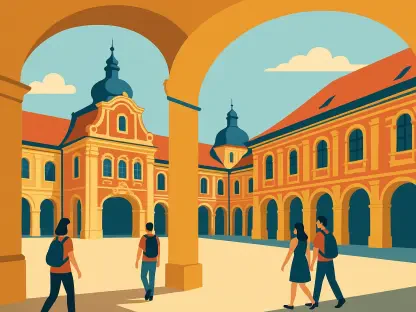
In contrast to the high-tech focus of the Expo Zone, the Yi Sun-sin Plaza Zone serves as the cultural and culinary heart of the city. This district centers on the profound historical legacy of Admiral Yi Sun-sin, featuring meticulous restorations of the Jeolla Left Naval Command’s main hall. The city has integrated advanced media art at Jinnamgwan Hall to breathe new life into these traditional structures, making history accessible to a modern audience. This area encourages a “walking-based” tourism model, where visitors can stroll through the Angel Mural Village and visit the Seonso Theme Video Hall. The experience is further enriched by Yeosu’s “10 signature dishes,” which are showcased in local eateries throughout the plaza. By combining educational heritage with exceptional gastronomy, the administration ensures that visitors remain engaged for longer periods. This district effectively preserves the authentic spirit of the city while providing the high-quality cultural depth that international travelers increasingly demand.
Cultural Fusion: Art and Industrial Modernization
The Ungcheon-Soho Zone has emerged as a specialized hub for culture and the arts, where the natural beauty of the South Sea is enhanced by cutting-edge technological displays. A central feature of this district is the permanent 1,000-drone storytelling light show, which has modernized the city’s famous “night sea” brand. This spectacle provides a compelling reason for tourists to extend their stays into the late evening, directly supporting the city’s goal of increasing multi-day visits. The “Sea of Art” path serves as a pedestrian link between major cultural institutions like Yeulmaru and the scenic Soho Bridge, creating a unified artistic corridor. This integration of advanced lighting technology and urban design transforms the coastline into a living gallery. By focusing on sensory experiences that blend the digital and the natural, this zone attracts a younger, tech-savvy demographic that values innovative storytelling. The administration’s commitment to this district highlights its broader strategy of using technology to enhance existing natural assets.
Meanwhile, the Gukdong Port Zone demonstrates a sophisticated approach to urban renewal by revitalizing a traditional maritime hub without erasing its industrial character. The city has implemented “tourism innovation” by transforming the exterior walls of aging fisheries cooperative buildings into massive, emotive media facades. These large-scale art installations turn functional industrial architecture into nighttime landmarks that celebrate the city’s maritime pulse. This strategy respects the authentic, working-class history of the harbor while introducing a contemporary aesthetic that appeals to modern travelers. By repurposing industrial structures as canvases for public art, Yeosu avoids the pitfalls of generic redevelopment. This district offers a gritty yet beautiful atmosphere that provides a stark contrast to the manicured resort zones elsewhere. The success of Gukdong Port proves that preserving local identity is compatible with modernization. It allows the city to maintain its soul while offering fresh, visual incentives for explorers to visit underdeveloped areas.
Optimizing the Visitor Journey: Quality and Wellness
Sanctuary and Sport: From Healing to High Energy
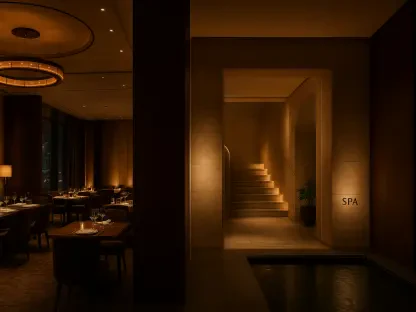
Recognizing the rising global demand for health-conscious travel, the Hwayang-Eleven Bridge Zone has been designated as a sanctuary for wellness and holistic healing. This district leverages the pristine natural environment of Yeosu’s surrounding islands to offer a reprieve from the stresses of urban life. Developments in this area include high-end beauty and spa hubs, along with the “Island-It” trail system that encourages nature-based exercise. By focusing on rejuvenation rather than traditional sightseeing, the city is tapping into a lucrative segment of the tourism market that prioritizes long-term well-being. These wellness retreats are designed to be destinations in themselves, encouraging visitors to settle in for multiple days of recovery and rest. The shift toward “healing tourism” represents a qualitative upgrade in the city’s portfolio, moving away from high-volume, low-impact traffic toward a more meaningful and sustainable travel experience. This zone successfully positions the city as a leader in the wellness sector within the broader East Asian region.
On the opposite end of the activity spectrum, the Dolsan Zone functions as the city’s premier center for dynamic recreation and thrill-seeking adventure. This district builds upon its existing popularity as a resort destination by adding the “Light Island Park” and expanding its selection of active sports, such as zip-lining and maritime racing. The area is characterized by large-scale cafes with panoramic views and high-energy attractions that cater specifically to families and younger travelers. By concentrating these intensive activities in Dolsan, the city ensures that thrill-seekers have a dedicated space to enjoy the coastal landscape in an active way. This diversification of content ensures that Yeosu can appeal to a broad spectrum of interests within a single trip. The vibrant energy of Dolsan serves as an essential counterpoint to the quiet wellness of Hwayang, providing the variety necessary to support the city’s three-day stay objective. This strategic zoning ensures that the city’s growth is balanced, offering everything from serene isolation to heart-pounding oceanfront excitement.
Operational Excellence: Governance and Digital Systems
To ensure that the physical expansion of the tourism industry is matched by high service standards, the city has launched the Y-TQMS, or the Yeosu Tourism Quality Management System. This mobile-based platform represents a major step toward professionalizing the local hospitality sector by providing real-time quality control and immediate complaint resolution. Every participating tourism facility is assigned a unique identification code, allowing visitors to provide feedback directly through the “Yeosu-N” application. This system effectively eliminates long-standing issues such as price gouging and inconsistent service quality by holding local businesses accountable in real-time. By utilizing data-driven management tools, the administration can identify trends in visitor satisfaction and address potential problems before they escalate. This commitment to quality management is essential for building the international reputation required for a global hub. The Y-TQMS platform ensures that the visitor experience remains premium, fostering the trust and satisfaction necessary for repeat tourism.
Furthermore, the municipal government is transitioning from a traditional, event-based administration toward a robust industrial framework for tourism governance. This includes the potential establishment of a dedicated tourism foundation and a professional body tasked with analyzing long-term market data and global trends. This administrative shift is complemented by the “Art-Rest” initiative, which commissions renowned architects and artists to transform public amenities, such as restrooms and lounges, into artistic landmarks. By treating even the most mundane public facilities as opportunities for artistic expression, the city demonstrates a commitment to high-quality urban design. These improvements are part of a broader effort to professionalize every touchpoint of the traveler’s journey, ensuring that the city’s infrastructure is both functional and aesthetically pleasing. The move toward a more structured and data-centric approach allows Yeosu to adapt quickly to the changing demands of the global travel market. This foundation of professional governance is what will ultimately sustain the city’s transformation over the coming decades.
Strategic Evolution: The Path to Global Leadership
The transformation of Yeosu reached a critical milestone as the city successfully integrated its historical maritime identity with modern, world-class infrastructure. This shift was characterized by a move away from quantitative growth toward a model that prioritized high-value experiences and extended stays. By decentralizing attractions into six distinct zones, the administration effectively resolved previous issues with urban congestion and distributed economic benefits more equitably across the region. The introduction of digital quality management systems and professionalized tourism foundations established a new standard for hospitality in the coastal sector. These efforts solidified the city’s reputation as a destination that offers both technological innovation and deep cultural heritage. Looking back at the progress made, it is clear that the strategic overhaul provided the necessary framework for Yeosu to emerge from the shadow of its domestic success and claim a prominent position on the international stage. The city has proven that a clear vision, combined with administrative discipline, can redefine a regional economy.
To maintain this momentum and ensure long-term competitiveness, the city must now focus on expanding its international marketing partnerships and refining its data-driven visitor profiles. Actionable steps include the development of tailored multi-day travel packages that offer exclusive access to MICE facilities and wellness hubs, specifically targeting global travelers. Strengthening collaborations with international cruise lines and global travel platforms will be essential to increasing the city’s visibility in overseas markets. Additionally, continuous investment in “Art-Rest” projects and smart-city infrastructure will ensure that the urban environment remains attractive to high-end visitors. The city should also prioritize the development of more specialized sports content, such as international yachting regattas and trail running events, to capture the growing niche market for athletic tourism. By consistently analyzing visitor data through the Y-TQMS platform, Yeosu can proactively adjust its offerings to meet the evolving expectations of global tourists. The future of the city depends on its ability to remain agile, innovative, and deeply committed to the quality of the experience it provides.