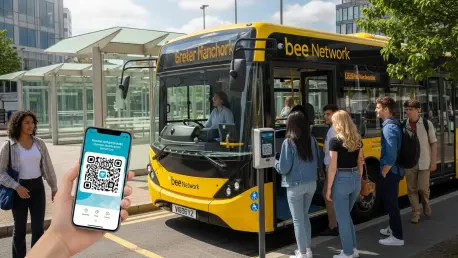

Greater Manchester’s transit infrastructure is currently experiencing a monumental evolution as local authorities prioritize the accessibility of public transportation for the region’s youth population during the summer. This strategic initiative, known as the Summer Savings scheme, is designed to eliminate financial obstacles that traditionally limit the mobility of children and young adults under the age of eighteen. By facilitating free travel across the expansive Bee Network, the city is fostering a culture of independence and environmental responsibility among its youngest citizens. This development comes at a time when urban centers are looking for ways to integrate social welfare with environmental goals through improved public transit. The program not only eases the financial burden on families but also ensures that every student and young resident has the opportunity to participate in local events and access regional attractions without the stress of fare costs.
1. Obtaining a Ticket While Boarding: Ages 5–15
For families navigating the logistical challenges of the summer holidays, the process of securing free travel for younger children has been streamlined to ensure maximum convenience and immediate access. Children between the ages of five and fifteen are now able to utilize the Bee Network buses without any prior registration or the need for a physical smart card. This policy eliminates the often cumbersome administrative hurdles that can discourage people from utilizing public benefits, making the bus system a more attractive option for spontaneous trips. By removing the requirement for sign-ups, the regional transport authority is directly targeting barriers to entry, ensuring that socio-economic status does not dictate a child’s ability to navigate the city. This simplified approach is particularly beneficial for families who may not have access to digital platforms, allowing them to participate in the local economy and social life with ease.
When a young traveler within the eligible age bracket boards a Bee Network bus, the procedure for obtaining a complimentary ticket is as straightforward as engaging in a brief conversation with the driver. There is no specialized equipment required for these passengers; they simply state their destination and receive a zero-fare ticket that allows them to travel to their chosen location within the network. This level of direct interaction reinforces the community-focused nature of the bus service, making the transport system feel more personal and responsive to the needs of the local population. Bus drivers have been briefed on the implementation of this summer program to ensure that the boarding process remains efficient and that children feel welcomed on the vehicles. This operational choice reflects a commitment to inclusivity, as it acknowledges that not everyone has the digital literacy to manage complex online accounts for their daily transportation needs.
2. Registering for a Mobile Pass: Ages 16–18
While younger children enjoy a barrier-free entry system, teenagers between the ages of sixteen and eighteen are offered a more formalized digital solution that aligns with their demographic’s high smartphone usage. Residents of Greater Manchester in this specific age group are eligible to apply for a digital version of the popular ‘Our Pass’ through the official Bee Network smartphone application. This digital transition represents a modern approach to urban transit management, providing young adults with a versatile tool that sits directly on their mobile devices for easy access. The application process requires a standard ten-pound administration fee, which covers the operational costs of maintaining the secure digital infrastructure and verifying the residency of the applicant. This investment unlocks a significant amount of value, as it provides unlimited bus travel throughout the region, effectively subsidizing the education and social lives of thousands of young people.
Integrating the travel pass into a smartphone application allows for a more seamless user experience, as it enables real-time updates and provides a centralized hub for all transit-related information. The ‘Our Pass’ initiative has long been a cornerstone of Manchester’s youth engagement strategy, and moving it into a digital-first format reflects the technological advancements occurring across the city’s infrastructure. By requiring a one-time administrative fee, the transport authority ensures that the program remains sustainable while still providing a massive discount compared to traditional tickets. This system also prepares young adults for the responsibilities of managing digital accounts and personal documents, serving as a practical introduction to the modern administrative landscape. Furthermore, the use of a digital pass reduces the reliance on plastic cards, contributing to the region’s environmental goals by minimizing physical waste in the transit sector.
3. Enabling Your Travel Benefits
Timing is a critical component of the Summer Savings initiative, and the activation of travel benefits has been carefully scheduled to coincide with the peak of the vacation season. Once a young person’s application for the digital pass is successfully approved, they are permitted to start utilizing their free travel privileges as early as the first of August. This date was strategically selected to support families during the busiest part of the summer, ensuring that teenagers can travel to part-time jobs, social gatherings, or summer camps without incurring additional expenses. The approval process is designed to be swift, with the backend systems of the Bee Network working to verify eligibility and issue the digital credentials in a timely manner. For those who complete their applications before the start date, the pass remains in a pending state, automatically becoming active the moment the clock strikes midnight on the first day of the month.
Flexibility remains a key priority for the transport authority, which is why the system allows for immediate activation even for those who might have missed the initial application window. If a resident decides to apply for their digital pass after the first of August, they are not penalized for the delay; instead, the pass becomes available for use as soon as the administrative verification is complete. This means that if a teenager discovers the program halfway through the month, they can still enjoy the remaining weeks of free travel without any unnecessary waiting periods. This responsive system ensures that the benefits of the Bee Network are available to the widest possible audience, regardless of when they become aware of the opportunity. By providing instant utility upon approval, the city is demonstrating a high level of operational efficiency and a genuine desire to maximize the number of young people who can benefit from the reduced financial pressure on travel.
4. Finding Alternative Ways to Apply
Recognizing that digital exclusion remains a significant challenge for some households, the regional authorities have established alternative pathways to ensure that every eligible resident can access free travel. For individuals who do not possess a smartphone or lack consistent internet access, a dedicated telephone support line has been made available at 0161 244 1000 to guide them through the process. This service provides a vital link for families who might otherwise be left behind by the shift toward digital-only platforms, offering personalized assistance from trained staff members. Additionally, those who prefer face-to-face interaction can visit a Bee Network travel and information office to pick up a physical application form and receive hands-on help from the staff. This multi-channel approach ensures that the transit system remains equitable and that the benefits of the Summer Savings scheme are distributed fairly across all neighborhoods, regardless of their level of digital infrastructure.
The implementation of the universal travel program for young residents established a new benchmark for how regional transport networks could effectively address social and economic disparities. By removing the financial costs associated with bus travel, the city successfully increased the mobility of thousands of students who previously faced significant hurdles in accessing extracurricular activities. This move demonstrated a clear understanding of the relationship between transportation and social mobility, as the increased foot traffic in city centers helped stimulate local retail and leisure businesses. Authorities observed a notable shift in commuting habits, and they decided that future programs must integrate more specialized transit routes into the existing fare-free framework. The data collected during this period suggested that the next phase should focus on enhancing the digital interface to include live bus tracking. These improvements were designed to make the network more user-friendly for everyone involved.