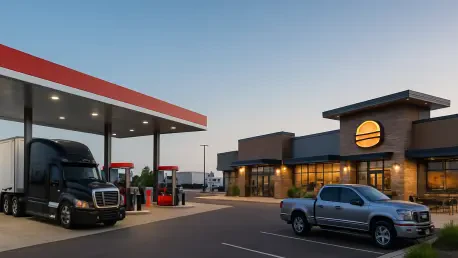

The transition toward sit-down, twenty-four-hour restaurants allows drivers to escape their vehicle cabs and enjoy a more traditional dining experience during breaks. This cultural shift within the trucking industry reflects a broader understanding that the professional driver is the backbone of the national supply chain and deserves more than just utilitarian waypoints. For decades, the highway landscape was dominated by gritty, functional locations that offered little beyond diesel fuel and pre-packaged snacks. However, as the logistics industry faces unprecedented pressure to retain talent and ensure safety, the traditional truck stop is being systematically replaced by the comprehensive travel center. These modern hubs are designed to be destinations in their own right, blending high-tech logistics support with genuine hospitality. By moving away from a purely functional model, operators are successfully creating environments that cater to the physical, mental, and social needs of long-haul professionals who spend weeks away from home.
Prioritizing Foundation and Nutrition
Essential Infrastructure: Safety and Parking
Despite the growing allure of high-end features, the most fundamental requirement for any driver remains a secure and well-lit environment to park and rest. Safety is the non-negotiable bedrock upon which the rest of the industry is built. Industry leaders and fleet managers consistently report that drivers prioritize clean facilities and secure parking lots over more decorative novelty amenities. The stress associated with finding a legal parking spot before an electronic logging device forces a mandatory shutdown is one of the most significant psychological burdens on the road today. Consequently, modern travel centers are prioritizing massive lot expansions and the installation of advanced lighting systems that cover every corner of the property. These facilities are also incorporating high-definition surveillance and professional security personnel to ensure that both the cargo and the driver are protected throughout the night, fostering a sense of peace that is vital for quality sleep.
Strategic Investment: Solving the Parking Shortage
Addressing the chronic parking shortage has become a primary objective for major chains, leading to aggressive capital investment strategies throughout the 2026-2028 period. Companies like Love’s Travel Stops and TravelCenters of America are committing hundreds of millions of dollars to expand their national footprint, adding thousands of new spaces to the infrastructure each year. These investments are not merely about increasing capacity; they represent a strategic attempt to stabilize the workforce. By providing guaranteed parking through reservation systems and expanding free access areas, operators are directly reducing the daily anxiety of long-haul logistics. This infrastructure push also includes the modernization of existing sites, ensuring that older facilities meet the same rigorous safety standards as brand-new developments. This commitment to physical growth shows that even in an increasingly digital world, the value of concrete and asphalt remains paramount to the safe movement of freight.
Dietary Excellence: Addressing Driver Health
A profound shift in dietary expectations is currently reshaping the interior of the modern travel center as drivers demand more than the traditional roller grill fare. For too long, the lack of nutritional diversity on the road has contributed to significant health challenges within the driving community. Currently, 40 percent of surveyed professionals are actively seeking fresher, more balanced food choices that mirror the variety found in residential neighborhoods. To meet this need, operators are moving beyond fast-food partnerships to establish their own culinary innovation centers. These test kitchens are dedicated to developing high-quality, portable meals such as nutrient-dense wraps, fresh salads, and protein-packed bowls that can be easily stored in a cab. This evolution acknowledges that a healthy driver is a more alert and productive driver, making the provision of affordable fresh fruit and vegetables a critical business strategy rather than a mere secondary consideration.
Enhancing Hospitality and Efficiency
The Destination Model: Hospitality as a Priority
The transition from a convenience-based business model to one rooted in professional hospitality is becoming the primary differentiator in the competitive travel center market. Operators are recognizing that to attract and keep loyal customers, they must transform their facilities into destinations that drivers look forward to visiting. This strategy involves more than just offering services; it requires a complete reimagining of the aesthetic and emotional experience of the stop. By incorporating unique architectural details, welcoming entrance halls, and comfortable lounge areas, centers are moving away from the industrial feel of the past. These spaces are designed to provide a home away from home atmosphere, where the decor and layout encourage relaxation rather than a hurried transaction. This hospitality-centric approach treats the truck driver as a valued guest, a shift in perspective that significantly enhances professional dignity while fostering long-term brand loyalty.
Community Integration: Pets and Social Spaces
Beyond interior aesthetics, the inclusion of community-focused amenities like dedicated pet spaces and outdoor recreation areas is further humanizing the travel center experience. A growing number of modern drivers travel with animal companions for emotional support and security, making pet-friendly infrastructure a top priority. Leading facilities now feature enclosed dog parks equipped with waste stations and even professional wash facilities, allowing drivers to care for their pets without leaving the site. Moreover, the integration of outdoor walking paths and fitness stations encourages physical activity, which is often difficult to maintain during long stints of driving. These features acknowledge that a driver’s life does not stop when they pull off the highway. By providing environments that support the whole person—including their pets and their physical fitness—travel centers are evolving into social hubs that respect the lifestyle requirements of the people who keep the economy moving.
Operational Efficiency: Managing Life on the Move
One of the most innovative strategies being adopted by modern travel centers is the focus on helping drivers manage their personal lives through life admin consolidation. The underlying philosophy is that time spent at home should be reserved for family and rest, not for running errands that could have been handled on the road. To facilitate this, major hubs are integrating a wide range of services that were previously only available in traditional urban centers. Drivers can now access professional laundry facilities, mail services, and even financial centers to manage their business affairs between hauls. This centralization of utility allows for a much more efficient use of off-duty hours, reducing the logistical friction of a life lived on the move. By serving as a one-stop shop for both professional and personal needs, travel centers are becoming indispensable nodes in the driver’s daily routine, significantly lowering the stress associated with balancing a career.
Strategic Growth and Digital Integration
Wellness Support: Medical and Personal Care
The expansion of specialized services now includes medical and wellness facilities that are tailored specifically to the needs of the commercial driving population. On-site access to dentists, chiropractors, and even basic primary care physicians is becoming more common at large-scale travel centers. These health hubs allow drivers to address physical ailments—such as back pain or dental issues—immediately, without having to wait for a return trip home that might be weeks away. In addition to medical care, personal grooming services like professional barbershops and high-end private shower suites are being upgraded to provide a luxury experience. These showers are often designed with high-quality tile, premium fixtures, and ample space, offering a level of cleanliness and comfort that matches upscale hotels. By investing in these high-touch personal services, travel centers are directly contributing to the physical well-being and self-esteem of drivers, ensuring they remain healthy as they navigate the highway.
Data-Driven Development: Analytics and Collaboration
The development and modernization of travel centers are no longer based on intuition but are driven by sophisticated data analytics and strategic fleet partnerships. Large networks leverage loyalty program metrics and fuel purchase patterns to understand exactly where investment is needed most. By analyzing parking utilization rates and peak arrival times, operators can optimize the layout of their facilities to prevent congestion and improve the speed of service. Furthermore, this data-driven approach allows for the customization of amenities based on the specific regional demands of the trucking lanes they serve. For example, a center located in a high-traffic regional corridor might prioritize quick-turn maintenance services, while a long-haul hub might focus more on extended rest and wellness features. This granular understanding of driver behavior ensures that capital is deployed effectively, creating a more responsive and efficient national network of support that adapts to the real-time needs of the transportation sector.
Digital Empowerment: Future Industry Standards
The maturation of the truck stop into a comprehensive travel center represented a successful balance between technical logistics and human comfort. Operators recognized that the workforce responsible for the movement of goods required more than just a place to park; they needed a holistic support system that addressed their daily well-being. By moving beyond the basics of fuel and asphalt to provide medical care, nutritional variety, and genuine hospitality, the industry successfully tackled the long-standing challenges of driver retention. Forward-thinking companies prioritized the human element, ensuring that the people behind the wheel felt respected and valued throughout their journeys. Moving forward, the industry must continue to adapt by integrating sustainable energy sources and further refining the digital tools that empower drivers. The most effective next step involved treating the driver as a guest rather than a transaction, which ultimately secured the stability and reliability of the entire national supply chain.