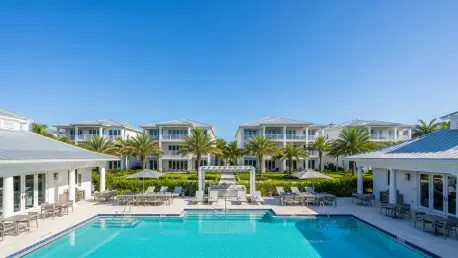

The recent high-stakes acquisition of the Naples Bay Resort & Marina represents a sophisticated consolidation of capital and operational expertise in one of Florida’s most resilient luxury markets. This transition, orchestrated as a joint venture between Pyramid Global Hospitality and Western & Southern Financial Group, signifies far more than a routine exchange of assets. By placing this high-performing property under a globally recognized management umbrella, the owners have signaled a commitment to institutional-grade precision.
The evolution of this waterfront destination is now inextricably linked to a strategy that prioritizes data-driven performance alongside a personalized guest experience. As the hospitality landscape shifts, this merger serves as a bellwether for how independent properties can maintain their local charm while benefiting from massive scale. The move creates a unique synergy where boutique aesthetics meet the rigorous analytical frameworks required to thrive in a competitive high-end environment.
A New ErRedefining Luxury on the Waterfront
This ownership change marks a decisive turning point for Southwest Florida’s hospitality sector, establishing a new benchmark for excellence. The partnership aims to reposition the resort by leveraging professional management systems that were previously unavailable to independent operators. This strategic pivot ensures that the property remains agile enough to respond to fluctuating market conditions while maintaining its core identity as a premier leisure destination.
Moreover, the focus has shifted toward creating a holistic ecosystem where the resort and the marina function as a single, high-output engine. The future of the property is defined by a vision that transcends traditional hotel stays, focusing instead on a lifestyle-driven model. This approach is intended to attract a demographic that values seamless service, high-tech amenities, and a deep connection to the local maritime culture.
The Foundation: Proximity and Prestige in Naples
To project where the resort is headed, one must acknowledge the inherent value of its 16-acre footprint along the prestigious Fifth Avenue corridor. Historically, this location has acted as a primary gateway to the Gulf of Mexico, providing a rare combination of urban accessibility and waterfront seclusion. Its hybrid infrastructure, featuring 85 suites and numerous residential-style cottages, provides a diversified revenue base that is less susceptible to seasonal volatility.
The 97-slip full-service marina remains the property’s crown jewel, offering a high-barrier-to-entry asset that few competitors can replicate. This physical foundation provides a stable platform for growth, as the demand for deep-water access in Naples consistently outstrips the available supply. By utilizing this infrastructure, the new management can cultivate a membership base that remains loyal regardless of broader economic shifts.
Strategic Pillars: Driving Growth Through Innovation
Operational Excellence: Merging Data With Boutique Appeal
The integration of the property into the Benchmark Resorts & Hotels collection introduces a new level of operational sophistication. Management utilizes the proprietary NEO analytics platform to optimize every facet of the business, from dynamic room pricing to labor efficiency. This scientific approach to hospitality ensures that resources are allocated where they have the most significant impact on the guest experience.
By combining these institutional tools with the resort’s independent spirit, the operators can offer a product that feels unique yet operates with corporate efficiency. This balance is critical for maintaining the high-touch service levels that affluent travelers expect in a boutique environment. The focus remains on driving commercial performance without sacrificing the “lifestyle” elements that define the resort’s brand.
Financial Flexibility: Transitioning Toward Fee-Simple Models
A cornerstone of the future financial strategy involves the conversion of hotel units into fee-simple ownership opportunities. This move provides the resort with enhanced capital flexibility, allowing for a more diversified investment structure that attracts private equity. Such a model creates a stable environment for long-term growth and potential repositioning efforts as the market continues to mature.
This real estate strategy also appeals to high-net-worth individuals who seek a permanent foothold in the Naples market without the burdens of traditional homeownership. By blending residential and resort lifestyles, the property creates a built-in audience of invested stakeholders. This stability allows the ownership to pursue more ambitious upgrades and branding initiatives over the coming years.
Culinary Evolution: Expanding the Reach of the Naples Bay Club
The Naples Bay Club is being transformed into a primary engine for year-round revenue through the expansion of its social and culinary programming. The introduction of concepts like Blackbird Modern Asian reflects a shift toward destination-quality dining that appeals to both guests and local residents. These enhancements turn the resort into a social hub, reducing its reliance on transient tourism cycles.
Furthermore, the addition of lifestyle-driven features like the TopGolf Swing Suite and modernized spa facilities ensures that the property remains competitive. These amenities are designed to foster a sense of community among members, driving recurring income through club dues and auxiliary spending. The goal is to create an environment where the local community feels just as integrated into the resort as the out-of-town visitor.
Market Trends: Navigating Supply Scarcity in Florida
The outlook for the resort is bolstered by the extreme supply constraints that characterize the Naples waterfront. As land becomes increasingly scarce, existing properties with established marina infrastructure gain significant competitive advantages. The market continues to see sustained demand from affluent travelers who view Southwest Florida as a safe haven for both leisure and investment.
Technological advancements are also playing a larger role in how these properties operate, with smart marina management and personalized mobile apps becoming standard. As the “bleisure” trend persists, the resort’s large residential units are perfectly positioned to accommodate guests who wish to work remotely while enjoying high-end amenities. This shift in traveler behavior provides a clear path for expanding the resort’s reach into longer-term stay segments.
Strategic Insights: Maximizing Assets in Competitive Landscapes
For those observing the high-end hospitality market, the Naples Bay Resort serves as a case study in asset optimization. The strategy of leveraging a 97-slip marina demonstrates how specific, rare amenities can be used to anchor a property’s value proposition. Other waterfront assets may look to this model as a blueprint for generating non-room revenue and creating a “moat” against competitors.
Additionally, the emphasis on a robust membership club highlights the importance of local engagement in the luxury sector. By providing a product that serves the year-round resident, the resort successfully mitigated the risks associated with tourism fluctuations. Professionals in the industry can learn from this approach by prioritizing multifaceted revenue streams that go beyond traditional hotel operations.
Securing a Legacy: Final Reflections on Market Positioning
The transition of the Naples Bay Resort & Marina established a solid framework for future success by prioritizing operational efficiency and asset diversification. The management team successfully integrated advanced analytics into the property’s workflow, which allowed for a more responsive and profitable business model. These initiatives ensured that the resort remained a premier destination while adapting to the evolving preferences of a global clientele.
Strategic investments in the Naples Bay Club and culinary venues modernized the brand, making it more attractive to a younger, affluent demographic. The focus on fee-simple ownership provided the necessary capital flexibility to sustain high levels of service and infrastructure quality. Ultimately, the legacy of the resort was secured through a commitment to blending traditional hospitality values with the innovative strategies required by a modern market.