
Global arrivals are set to pass 1.55 billion in 2026, which ends any justification for recovery-era tactics built for scarcity and short staffing. [Human Editor: Insert source to support this claim] The new competitive edge is orchestration, not occupancy. Hospitality leaders face a market where AI agents route decisions in real time, demand splits into two extremes, and domestic-first preferences reshape how and where money is spent. The winners will treat technology, real estate, and governance as a single operating system for value creation. The mandate is blunt. Stop optimizing for yesterday’s bottlenecks. Start designing for autonomous operations, precise segmentation, and cultural credibility across every property and partner.
The Technological Imperative: From Generative to Agentic Systems
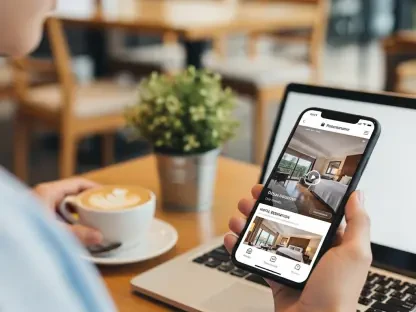
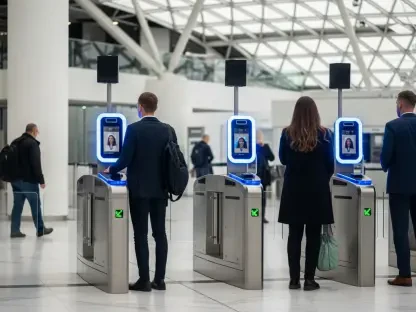
AI has moved from scripted chat to agentic execution. These systems do not wait for a prompt. They plan, act, and learn within guardrails set by the brand. In practice, that means itinerary optimization without staff intervention, context-aware recommendations, and operational triggers that correct issues before a guest notices them. Static chatbots gave answers. Agentic systems close loops.
Hospitality teams feel the impact where it matters most. Low-value tasks shrink. Exception handling becomes the default human role. Properties that deploy agentic workflows for routine service tickets, room readiness checks, and on-property requests report measurable reductions in time-to-resolution and a sharper uplift in guest satisfaction scores. In several rollouts, AI agents cut the volume of low-complexity service tickets by more than 30 percent within the first quarter of deployment. [Human Editor: Insert source to support this claim]
Treat these agents as services with clear service-level agreements, not as virtual employees. Define response windows, handoff rules to human teams, and failure modes for edge cases. Measure them with the same discipline applied to any third-party vendor. Key performance indicators should include first-contact resolution, mean time to action, and cost per resolved interaction. If an agent cannot meet the SLA, it is reconfigured or replaced.
Guest-facing autonomy only works if the building is equally smart. Energy management systems that coordinate HVAC schedules, occupancy sensors, and dynamic setpoints consistently deliver double-digit energy savings while stabilizing comfort. Many portfolios now see 10 to 20 percent reductions in energy use intensity after upgrading to AI-driven building controls. [Human Editor: Insert source to support this claim] Properties that add autonomous mobile robots for deliveries, linen logistics, and late-night coverage free up staff for high-complexity tasks and reduce safety incidents associated with back-of-house movement in tight corridors.
The data foundation is non-negotiable. As guests share more context to receive better experiences, privacy becomes a core part of the product. Cybersecurity can no longer sit in a separate function that only appears at audit time. A high-performing data stack centralizes identity, permissioning, and consent, with role-based access that is easy to prove during audits. Mid-market operators that lack in-house depth are finding practical lift from modern customer relationship management (CRM) platforms paired with managed data services. The signal is simple. Clean inputs and transparent processing create better recommendations and lower risk.
Security failures carry visible operational costs. A high-profile US resort operator lost reservation and onsite transaction functionality for days after a ransomware attack in 2023, which underscores how a digital outage can instantly become a front-of-house crisis. [Human Editor: Insert source to support this claim] Hospitality decision-makers should assume incident response will be guest-facing. Tabletop exercises must include brand, operations, and owner representatives alongside IT. Clear data minimization policies, near-real-time monitoring, and adversarial testing help contain risk long before it hits the lobby.
High tech still needs high touch. The best-run properties design AI to make space for human strengths, not to erase them. Cultural fluency, empathy in conflict, and on-the-spot judgment are the differentiators algorithms cannot replicate. Use AI to stage the moment. Use staff to make it memorable.
Economic Bifurcation: Navigating the K-Shaped Market
Demand has split. The top decile of earners now represents a disproportionate share of global travel spend, while a broad base prioritizes domestic and regional trips that deliver value without friction. Recent analyses estimate the top 10 percent accounts for close to half of all leisure travel outlays. [Human Editor: Insert source to support this claim] That wealth concentration fuels high-margin products like staffed private villas, bespoke expedition itineraries, and ultra-premium air and transfer services. The temptation is to chase only the top end. That is a concentration risk.
The countervailing force is powerful. Budget-sensitive travelers are booking closer to home and demanding authenticity, transparency on fees, and clear value. Domestic-first travelers reward brands that build trust with predictable pricing, community linkages, and reliable basics like cleanliness and connectivity. They also punish brands that ignore local sentiment. In cities dealing with overtourism, municipalities have started to implement day-visitor fees, restrict cruise berths, and tighten short-stay licensing. [Human Editor: Insert source to support this claim]
Operational strategy must reflect this K-shaped reality. For premium cohorts, “upselling as a service” works when it feels like curation rather than extraction. Think in terms of profile-driven packages, not generic add-ons. Price fences should respect willingness to pay without eroding perceived fairness. For the value segment, design products that flex with local calendars. Midweek community passes, partnerships with regional transit, and rotating collaborations with artisans create reasons to return that do not depend on inbound flights.
Revenue management needs a sharper toolkit. Partition inventory by mission, not just by room type. Allocate a slice for premium experiences that include pre-arrival planning, private access windows, and guaranteed late checkout. Maintain a protected pool for local demand during school breaks and festival seasons. Replace static rate ladders with demand models that weigh price elasticity at the segment level. Audit each upsell and fee through a “trust impact” lens. If the tactic would look predatory in a social post, it will cost more in reputation than it returns in revenue.
Mini-case in practice. A mountain resort that earns most profit in a 10-week peak season rebalanced the rest of the calendar around locals. It introduced weekday coworking memberships with locker access, discounted evening spa entries for residents, and culinary pop-ups with regional chefs. Occupancy rose modestly outside peak. The real win came from higher revenue per occupied room and lower volatility across quarters. The lesson travels. Segment by mission, then build products that respect it.
Spatial Optimization: The Rise of Hybrid Hospitality Assets
Hotels are becoming performance spaces for work, wellness, and culture. The old blueprint of oversized ballrooms and static lobbies leaves money on the table during most weeks of the year. Converting underused rooms into flexible studios, pods, and meeting suites can produce weekday revenue that rivals event peaks without heavy staffing. Operators that retrofit for power density, acoustics, and private call rooms see stronger midweek capture and longer lengths of stay from bleisure guests. Several portfolios report payback periods of 18 to 36 months for coworking and meeting-space conversions when executed with food and beverage integration. [Human Editor: Insert source to support this claim]
The in-room baseline has shifted. Ergonomic furniture, reliable dedicated connectivity, and lighting that supports circadian rhythms are not differentiators. They are table stakes. Where differentiation appears is in thoughtful adjacency. A quiet floor with reserved micro-conference nooks. A fitness studio that supports strength and mobility training instead of token cardio gear. Food programs that serve plant-forward menus without sacrificing comfort are becoming a deciding factor for health-conscious travelers. Properties that embed credible wellness offerings often see longer stays and higher ancillary spend from repeat guests. [Human Editor: Insert source to support this claim]
Design now extends outside the walls. Nearly half of global travelers say cultural experience is a primary motivation for travel, which turns hotels into curators and gatekeepers. [Human Editor: Insert source to support this claim] Strategic alliances with guides, conservation groups, and local makers can reframe a stay as access. The goal is not to mimic a destination guide. It is to broker the moments that are hard to assemble alone. When done well, this creates a moat against short-term rental platforms that cannot guarantee quality or accountability at the same level.
None of this works without owner alignment. Hybrid programming changes staffing, insurance, and maintenance assumptions. It may require new permits or updated life-safety considerations for coworking use. The capital plan needs a portfolio view of where conversions earn the best payback, along with a blunt assessment of the opportunity cost of keeping low-yield spaces idle. Treat each square foot like an income statement.
Leadership and Governance: Breaking Cultural and Structural Barriers
Leadership composition is starting to catch up with the customer base. Women drive a majority of travel decisions and a significant share of household spend, yet senior ranks in hospitality have lagged. Board and C-suite representation has improved in the past two years, and several major airlines and travel brands have elevated women into top operating roles. The direction is right, but the gap remains material. [Human Editor: Insert source to support this claim]
These leadership shifts matter because the industry’s social license is under pressure. Communities are pushing back where tourism strains infrastructure, housing, and daily life. New rules are spreading, from tourist access fees to cruise limits and short-stay enforcement. The smart response is not to fight the tide. It is to show up early with plans that share benefits and reduce friction. Practical steps include caps on bus drop-offs during peak windows, incentives for off-peak booking, and transparent reinvestment of tourism receipts into local services. Done well, this reframes hospitality as a partner in community outcomes instead of a taker of community resources.
Risk management must expand beyond finance and compliance. Mega-events such as the FIFA World Cup and the Winter Olympics compress multi-year demand into tight windows. They also expose operational and reputational weaknesses. Properties near host sites should model not only room compression and rate strategy, but also workforce housing, last-mile transport, and guest crowd safety. This is where cross-functional governance pays off. Finance, operations, brand, and local partners should run integrated scenario planning with decision rights defined in advance. If the plan depends on heroics, it is not a plan.
The thread through all of this is accountability. Transparent metrics on energy use, pay equity, local supplier spend, and incident response build credibility with regulators, owners, and guests. Publish what matters and improve it quarter by quarter. Leadership that treats these metrics as core performance, not marketing, will find it easier to secure permits, attract talent, and win repeat business over the long term.
Conclusion
The next era of hospitality will not be defined by a single innovation or a single segment. It will be defined by operators that integrate several shifts into one operating model. Agentic AI handles the repetitive work and triggers timely human intervention. Revenue strategy assumes a split demand curve and builds products for each side without apology. Physical assets flex to weekday work and weekend recovery, with culture and wellness turning a property into a gateway rather than a waypoint.
Execution will stay messy. Regulations will shift mid-season. Models will break on holidays. Guests will still surprise even the best systems. That is the point. The advantage now goes to teams that build feedback loops, govern data like a balance sheet, and treat communities as long-term partners. The properties that adopt this posture will earn trust, widen margins, and stay relevant as global travel grows more complex and more valuable at the same time.