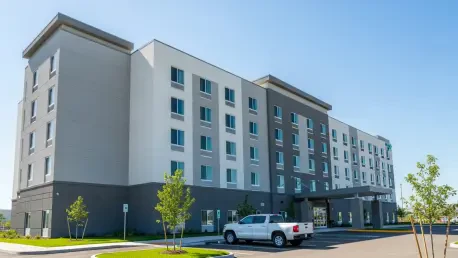

The opening of the twentieth ECHO Suites property in Bozeman, Montana, signifies a profound transformation in how the modern hospitality industry accommodates a specialized and increasingly mobile American labor force. While many midscale brands struggle to maintain consistent occupancy, this specific model reports average rates exceeding 70 percent, with top-tier locations frequently hitting the 80 percent mark. This rapid ascent reflects a calculated response to a massive, underserved segment of the workforce that traditional hotels have long overlooked.
This momentum is not merely a byproduct of general travel trends but a structural shift in the lodging landscape. Professionals within this sector are moving away from transient stays toward environments that prioritize long-term utility. By focusing on a demographic that requires consistency and functional living space, the brand has managed to carve out a dominant position in a competitive market.
Aligning Hospitality with the American Infrastructure Renaissance
The surge in demand for these accommodations is inextricably linked to a historic influx of federal funding and industrial growth. With legislation like the CHIPS and Science Act funneling billions into domestic technology and infrastructure, a mobile workforce is fanning out across the country to fulfill 3.3 billion dollars in projected revenue opportunities. These professionals are not looking for a weekend getaway; they require a functional home base for projects that often last months at a time.
By positioning properties in strategic hubs like Texas and Colorado, the brand captures a demographic that prioritizes proximity to major job sites over traditional leisure amenities. This alignment ensures that the properties remain essential infrastructure for the workers building the next generation of American industry. The focus remains on providing a reliable environment for those whose jobs take them away from home for extended periods.
The Blueprint for Profitability and High-Density Design
At the core of this success is a rigorous commitment to operational efficiency and guest-centric design. Unlike standard hotels that lose significant square footage to sprawling lobbies or underused banquet halls, these suites utilize a 50,000-square-foot prototype where 74 percent of the space is rentable. This lean architectural approach ensures that every square foot contributes to the bottom line, maximizing the return for owners and developers alike.
The guest profile further stabilizes this financial model. Over 70 percent of stays exceed one week, and more than half of all guests remain for over 60 days. This high-retention environment significantly reduces the turnover costs and marketing expenses typically associated with transient hotel stays. It creates a predictable revenue stream that is less susceptible to the seasonal fluctuations that often plague the broader hospitality sector.
Cutting-Edge Integration: The 425 Million Dollar Tech Advantage
Wyndham has fortified its market position by investing 425 million dollars in a technology-first ecosystem designed to maximize franchisee margins. Through the AI-driven Wyndham Connect platform, the brand has automated labor management and booking processes that traditionally eat into revenue. Expert analysis suggests that this technological backbone is what allows the brand to surpass competitors in revenue per available room indices.
By removing the friction from property management, the brand enables owners to focus on scaling operations rather than managing minutiae. This efficiency is reflected in an ambitious pipeline of 300 planned locations and 45,000 rooms currently in development. The integration of smart systems ensures that the properties can operate with lean staffing models while maintaining high standards of service for long-term residents.
Strategies for Dominating the Midscale-and-Above Segment
To replicate this success, developers and stakeholders focused on the functional long-term framework that defines this lodging ethos. This involved identifying markets with high workforce mobility and prioritizing property designs that maximized rentable area while minimizing labor-intensive services. Success in this sector required a shift in mindset from hospitality as a service to hospitality as critical infrastructure for the modern economy.
Investors capitalized on the sustained demand for long-term accommodations by leveraging data-driven site selection and maintaining a strict adherence to the efficient midscale model. Looking ahead, the focus shifted toward ensuring these properties remained adaptable to evolving industrial needs. This strategic positioning allowed the brand to withstand economic fluctuations and set a new standard for profitability in the extended-stay market.