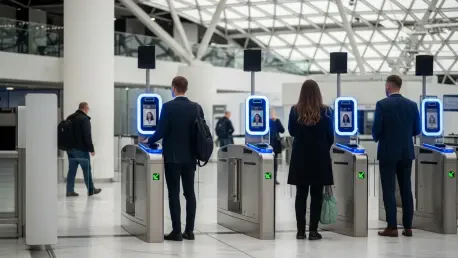

The traditional frustration of navigating labyrinthine terminals and enduring agonizingly long security queues is rapidly being replaced by a sophisticated, automated ballet of infrastructure and artificial intelligence. This shift marks the definitive end of the airport as a mere transit shed, signaling its rebirth as a high-functioning “Airport City” where the boundaries between logistics and luxury are intentionally blurred. Modern aviation hubs are no longer just places where planes land; they are carefully engineered environments designed to maximize throughput while simultaneously soothing the frayed nerves of the international traveler. By integrating high-concept aesthetics with invisible backend technologies, the latest generation of terminals has managed to turn the mechanical process of travel into a curated psychological experience.
This evolution is rooted in the realization that a traveler’s state of mind is as important as the mechanical reliability of the aircraft itself. In the current landscape, the most successful hubs utilize a blend of architectural wonder and data-driven precision to create a sense of “futuristic peacefulness.” This transition represents a significant departure from the brutalist, functionalist designs of the late twentieth century, which often prioritized aircraft movement over human comfort. Today, the integration of greenery, natural light, and intuitive spatial design works in tandem with complex algorithms to ensure that the transition from the curb to the gate is as frictionless as possible.
The Evolution: The Smart Aviation Hub
The transition toward the “Airport City” model represents a paradigm shift in urban planning and transportation logistics. Historically, airports were relegated to the periphery of urban centers, serving as isolated nodes of activity. However, the contemporary smart hub functions as a destination in its own right, blending high-end retail, cultural exhibitions, and lush botanical environments into the core infrastructure. This trend is driven by a deep understanding of passenger psychology, where the environment is used to mitigate the inherent stress of travel. By replacing harsh fluorescent lighting and cramped corridors with open spaces and natural elements, developers are effectively reducing the cognitive load on passengers.
Moreover, the relevance of this shift extends far beyond simple aesthetics; it is a strategic response to the increasing competitiveness of the global travel market. As international travelers gain more choices in layover points, airports must compete not just on connectivity but on the quality of the stay. The integration of “spectacles,” such as massive indoor waterfalls or digital art installations, serves as a powerful marketing tool, yet these features are underpinned by a rigorous commitment to efficiency. The modern hub must function as a perfectly synchronized machine, where the passenger feels like an honored guest rather than a data point being pushed through a system.
The Hierarchy: Integrated Airport Systems
Predictive Analytics: Automated Facility Management
At the heart of the next-generation airport lies a complex nervous system of AI-powered predictive analytics. These systems are designed to manage terminal logistics with a level of precision that was previously impossible. For instance, sensors embedded throughout the facility monitor everything from foot traffic density to the operational status of elevators and restrooms. This data is fed into real-time digital feedback loops, allowing facility managers to deploy resources exactly where they are needed before a problem even arises. If a particular restroom receives high traffic, the system automatically dispatches an autonomous cleaning robot or a maintenance crew, ensuring that the environment remains pristine without human intervention.
This level of backend precision is critical because it supports the entire passenger experience. When the “un-glamorous” fundamentals—such as cleanliness and functioning amenities—are handled flawlessly, the passenger is free to engage with the more enjoyable aspects of the terminal. The performance of these autonomous systems is a testament to the maturation of robotics in the service sector. These machines are no longer mere novelties; they are essential components of a labor-saving strategy that addresses the ongoing challenges of workforce management in large-scale infrastructure projects.
Strategic Management: Zone Distribution and Flow
Effective crowd management is the hidden pillar of the modern aviation hub, and it is achieved through a combination of spatial design and digital entertainment. By creating high-interest zones, such as butterfly gardens, cinemas, or robotic bars, airports can strategically distribute passengers throughout the terminal. This prevents the formation of bottlenecks in traditional high-congestion areas like gate lounges or central food courts. This “flow” management is a technical achievement that relies on understanding human movement patterns and utilizing amenities as magnets to pull crowds away from potential friction points.
Furthermore, these features serve a dual purpose by reducing the perceived wait time for travelers. When a passenger is engaged with a cultural immersion experience or a fitness zone, the psychological burden of a long layover is significantly diminished. This approach demonstrates a sophisticated application of behavioral economics, where the environment is “nudged” to encourage behaviors that benefit both the traveler and the airport operator. By maintaining high throughput through distributed activity, airports can handle larger volumes of passengers without the need for massive, expensive physical expansions.
Emerging Trends: Aviation Automation
The push toward labor-saving technologies is currently being accelerated by global workforce constraints and the need for operational resilience. Innovation labs within these hubs are increasingly focused on solving “left-field” operational problems that were previously ignored. For example, some facilities are now testing specialized drone fleets designed to manage environmental threats, such as lightning strikes in high-risk tropical regions. These drones can hover above the airfield during storms to deter ground strikes, protecting both personnel and sensitive electronic equipment. This level of proactive risk management is a hallmark of the newest wave of aviation technology.
Additionally, there is a growing trend toward passenger well-being as a core service offering. The integration of dedicated “quiet zones,” cultural museums, and even indoor climbing walls reflects a move toward treating the traveler as a whole person rather than just a seat number. These developments are not merely amenities; they are part of a broader strategy to ensure that the airport remains a competitive and desirable node in the global network. By prioritizing the health and mental state of the passenger, airports are setting a new standard for what a transit experience should actually feel like.
Real-World Applications: The Seamless Journey
The most visible manifestation of this technological revolution is the implementation of biometric technology for a completely contactless journey. Several leading international hubs have already moved toward passport-less immigration systems, utilizing facial and iris recognition to verify identities in seconds. This frictionless security environment eliminates the need for physical documentation at multiple touchpoints, allowing travelers to move from check-in to the boarding gate without ever opening their wallets. This implementation is not just about speed; it is about creating a secure, high-trust environment where the risk of human error in identity verification is virtually eliminated.
In addition to biometrics, airports are deploying advanced weather-mitigation technologies to ensure reliability in the face of climate volatility. In regions prone to severe weather, the use of automated ground-handling equipment and predictive storm-tracking AI allows airports to remain operational when others might be forced to shut down. These real-world applications demonstrate that the “airport of the future” is already here, providing a blueprint for how technology can be used to overcome the traditional limitations of geography and climate.
Technical and Operational Challenges
Despite the impressive advancements, the transition to fully automated airport ecosystems is fraught with significant technical and regulatory hurdles. The high cost of implementation remains a primary obstacle for many mid-tier airports, creating a widening gap between elite global hubs and aging international infrastructure. Furthermore, the reliance on biometric data raises substantial concerns regarding data privacy and cybersecurity. Ensuring that sensitive personal information is protected across multiple jurisdictions and service providers is a challenge that requires constant vigilance and robust legal frameworks.
Operational maintenance of these large-scale systems also presents a unique set of difficulties. The complexity of integrating disparate technologies—from AI-driven logistics to robotic janitorial staff—requires a highly specialized workforce that is often in short supply. Moreover, the environmental impact of maintaining massive, climate-controlled “airport cities” cannot be overlooked. Developers are under increasing pressure to balance the desire for luxury and spectacle with the need for sustainable energy practices and carbon reduction, leading to a complex web of trade-offs in every new project.
Future Outlook: The Future of Transit
The trajectory of airport technology points toward the total elimination of physical documentation and the rise of autonomous airside operations. In the coming years, we can expect the “National Calling Card” model to become the standard for state-funded infrastructure, where the airport serves as a direct reflection of a country’s technological prowess and efficiency. The shift toward “predictable” travel will have a profound impact on global commerce, as the uncertainties of transit are smoothed out by layers of redundancy and automation.
Potential breakthroughs in autonomous aircraft docking and luggage handling will further streamline the backend, making the “behind-the-scenes” mechanics of flight as invisible as the digital networks that power them. This long-term evolution will likely redefine the very concept of a “border,” as security and immigration become background processes that occur as the passenger moves through the space. The ultimate goal is a world where the act of travel is so seamless that the passenger can focus entirely on their destination, confident that the systems around them are working with absolute precision.
Summary: Findings and Industry Impact
The review of next-gen airport technology revealed a sector in the midst of a profound transformation, where operational efficiency was successfully balanced with passenger-centric spectacle. These hubs proved their ability to turn transit into a destination, setting a new global standard for reliability and satisfaction. The integration of AI and biometrics clearly moved the industry away from manual, error-prone processes toward a more secure and frictionless model.
The assessment indicated that the most successful implementations were those that prioritized the “flow” of the journey above all else. By addressing the psychological and physical needs of the traveler, these airports demonstrated that high-tech solutions could coexist with human-centric design. This shift not only improved the individual traveler experience but also reinforced the role of the airport as a vital economic engine for the twenty-first century. As these technologies matured, they provided a definitive roadmap for the future of global mobility.