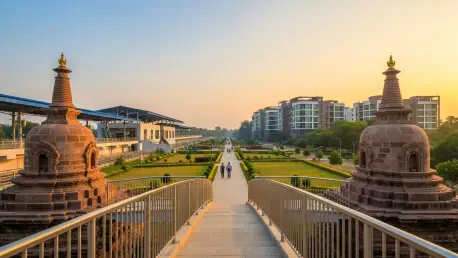

The silent whispers of ancient wisdom at the ruins of Nalanda and the profound serenity found beneath the Bodhi tree have long attracted global travelers, yet these visitors often vanish as quickly as the evening shadows. This fleeting engagement has prompted a radical redesign of the state’s tourism strategy, moving away from its reputation as a mere transit point for spiritual seekers. The goal is to anchor travelers within these historic landscapes for several days, fostering a deep connection that transcends passive sightseeing.
By implementing this strategic blueprint, the region is transitioning toward a model of immersive cultural exploration. This change is not merely about aesthetic upgrades but about converting historical curiosity into a sustained economic engine. Travelers are now encouraged to explore the hidden layers of the state’s past, ensuring that the legacy of ancient civilizations contributes to a vibrant, modern presence.
Why a Strategic Shift is Essential for the State’s Economic Future
The historical significance of Bihar is unparalleled, yet a persistent gap exists between its cultural wealth and the actual revenue generated from tourism. As the cradle of major religions and home to the world’s first residential university, the state possesses a portfolio that should naturally rival global heritage sites. Addressing the lack of premium infrastructure is now viewed as a mandatory step to secure the region’s financial health.
Strategic planners recognize that short-duration visits limit the potential for local business growth and job creation. By connecting heritage preservation with modern urban development, the new plan seeks to build a sustainable ecosystem. This alignment ensures that every dollar spent by a visitor supports the maintenance of ancient sites while simultaneously funding the infrastructure necessary for the next generation of residents.
Five Cities, One Vision: The Twin-City Model and Infrastructure Overhaul
The cornerstone of this ambitious initiative is a focused development plan targeting five primary hubs: Gaya, Bodh Gaya, Rajgir, Nalanda, and Vaishali. A specialized “twin-city” strategy links Gaya with Bodh Gaya and Rajgir with Nalanda, creating cohesive circuits that invite travelers to extend their stays to four days. This geographic clustering allows for a more logical flow of traffic and encourages deeper exploration of the surrounding areas.
To support this anticipated influx of visitors, the government is prioritizing the construction of budget-friendly hotels and high-quality roadside amenities. This holistic approach ensures that the journey between historical monuments is as comfortable as the stay at the destination itself. Seamless connectivity and reliable services are being integrated to meet the expectations of international pilgrims and domestic history enthusiasts alike.
From Ancient Ruins to Viral Reels: The Role of Global Influencers and Local Artisans
Modern marketing plays a pivotal role in this transformation, with recent campaigns hosting dozens of digital storytellers from South and Southeast Asia. Influencers from nations such as Japan and Vietnam are now sharing fresh perspectives on the state’s spiritual narrative with a global audience. These viral stories help bridge the gap between ancient history and contemporary travel trends, making the region relevant to a younger, digitally connected demographic.
Beyond digital promotion, the plan integrates living heritage by elevating local handicrafts and handloom products. By positioning artisan markets within the vicinity of ancient monuments, the state ensures that economic benefits reach local creators directly. This strategy provides visitors with tangible memories of their journey while preserving the traditional skills that have defined the region for centuries.
A Framework for Balancing Modernization with Historical Integrity
The success of this master plan depended on a framework that prioritized sustainable tourism over unchecked commercialization. Officials deployed a strategy that emphasized eco-tourism and high-speed connectivity while strictly maintaining the environmental safeguards surrounding sensitive zones. This balanced approach allowed for the modernization of transit without compromising the sanctity of the thousand-year-old sites.
In the final assessment, the state took proactive steps to integrate high-speed transit between the five core cities and implemented rigorous conservation protocols. These actions established a clear path for Bihar to evolve into a premier global destination. By remaining a faithful steward of its legacy, the administration ensured that the modernization efforts served to enhance, rather than overshadow, the region’s historical and spiritual identity.