
The traditional landscape of Balkan tourism is currently undergoing a radical transformation as Bulgaria pivots away from seasonal beach crowds toward a more sophisticated, year-round cultural engagement strategy designed specifically for its neighbors to the south. By moving beyond the outdated model of mass tourism, the Ministry of Tourism is actively reshaping the national identity of the travel sector to appeal to the discerning Turkish traveler who seeks more than just a standard vacation. This 2026 initiative emphasizes the concept of a “cultural break,” a curated experience that leverages the profound geographical proximity and deeply intertwined history of the two nations. Rather than competing solely on the basis of sun and sand, Bulgaria is highlighting its rich tapestry of ancient ruins, diverse local flavors, and shared traditions to establish itself as the premier choice for short-term getaways within the region. This strategic shift reflects a broader understanding of modern travel trends where authenticity and historical depth take precedence over generic leisure, positioning the country as a vibrant hub for regional exploration.
Strategic Shifts: Outpacing Regional Competition
The current push to attract a higher volume of Turkish visitors serves as a calculated maneuver within an increasingly aggressive Mediterranean and Balkan travel market. For many years, Greece has maintained a dominant position as the primary destination for Turkish outbound travelers, but Bulgaria is now making significant strides to bridge this gap by offering a more accessible and cost-effective alternative that does not sacrifice quality or variety. Recognizing the Turkish market as a remarkably resilient and active segment, the new strategy caters to a demographic characterized by a high frequency of international trips that are often spontaneous and short-distance. By focusing on the unique value proposition of a shared border and simplified logistics, the Bulgarian tourism board is effectively positioning the nation as a natural extension of the Turkish traveler’s domestic landscape, albeit with a distinct European flair. This approach is designed to capture the attention of a growing middle class that values efficiency and proximity when selecting their next international destination.
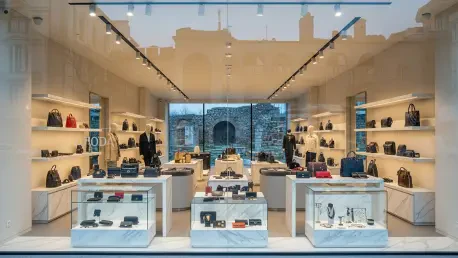
Building upon a solid foundation of more than two million annual visitors from Türkiye, the 2026 strategy moves to significantly expand the breadth of the local tourism portfolio. Beyond the obvious appeal of historical and archaeological sites, the campaign heavily promotes the high-end retail opportunities found in urban centers like Sofia and Burgas, which serve as major draws for shoppers seeking luxury brands and unique local craftsmanship. Furthermore, Bulgaria is highlighting its status as a premier winter sports destination, offering world-class skiing facilities that are both geographically closer and more affordable than traditional Alpine resorts. By diversifying the range of available experiences, the country intends to capture a larger share of the Turkish market that seeks a blend of luxury, recreation, and heritage within a single, streamlined itinerary. This multi-faceted approach ensures that the tourism sector remains robust throughout the year, mitigating the risks associated with seasonal fluctuations and ensuring a steady influx of high-spending visitors.
Archaeological Revitalization: Beyond the Capital
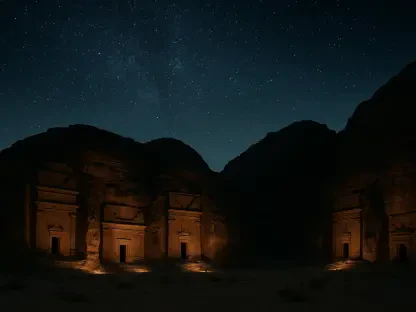
A central pillar of this cultural expansion involves a massive investment in the restoration and promotion of archaeological landmarks, with the specific goal of distributing visitor traffic more evenly across the country. One of the most significant projects under this initiative is the ongoing excavation and preservation of Heraclea Sintica, an ancient city located near the southern border that offers a direct link to the Hellenistic and Roman history of the region. By transforming these sites into user-friendly “travel products,” the government is providing multilingual guides and state-of-the-art visitor centers that cater specifically to the interests of history enthusiasts from Türkiye. This revitalization effort is not limited to isolated ruins but includes the integration of historical sites like the Serdika ruins directly into the modern infrastructure of the capital city. Such projects allow travelers to experience the layers of history that define the urban landscape, making the past a tangible and interactive part of their journey rather than a distant museum exhibit.
Plovdiv, frequently cited as one of the oldest continuously inhabited cities in Europe, serves as a major focal point for this archaeological revival and the broader cultural strategy. The city’s ancient Roman theater and stadium are being utilized as more than just monuments; they are now active venues for cultural events and performances that bridge the gap between ancient history and modern entertainment. The strategy highlights newly integrated walking routes that seamlessly connect these Roman structures with the Bulgarian National Revival architecture of the Old Town, providing a cohesive narrative of the city’s diverse and complex past. These infrastructure upgrades are specifically designed to transform a standard sightseeing trip into a sophisticated educational experience that resonates with the modern traveler’s desire for deep cultural immersion. By focusing on these high-value historical assets, Bulgaria is able to differentiate its tourism offering from the more generic leisure products found elsewhere in the region, appealing directly to the intellectual curiosity of its visitors.
Cultural Bridges: Gastronomy and Memorial Tourism
The 2026 initiative also leverages the shared culinary heritage that has historically linked the two cultures, specifically through the implementation of the “Balkan Culinary Trails” program. These curated routes feature detailed food maps and localized tasting packages that showcase the intersection of Anatolian and Balkan flavors, highlighting the common ingredients and techniques that have evolved over centuries. Recognizing that gastronomy is a primary motivator for Turkish tourists, officials are prioritizing these sensory experiences as a central pillar of their marketing efforts. Local artisans and restaurateurs are being encouraged to participate in cross-border food festivals and workshops, further strengthening the professional and cultural ties between the two nations. This focus on food as a universal language allows for a deeper level of engagement, as travelers are able to explore the nuances of Bulgarian culture through the familiar but distinct lens of regional cuisine.
Beyond the dining table, the strategy is utilizing “memorial tourism” to foster a deeper emotional resonance and build stronger bilateral connections between the populations. By including significant historical sites that commemorate regional migrations and shared historical milestones in standard travel itineraries, the campaign adds a profound layer of cultural depth to the visitor experience. These efforts are aimed at encouraging heritage-focused visits that honor the complex and often interconnected history of the people living on both sides of the border. This approach goes beyond traditional sightseeing by acknowledging the personal and familial stories that define the regional identity, creating a sense of belonging and mutual respect. By emphasizing these shared narratives, Bulgaria is positioning itself not just as a destination for leisure, but as a place of historical significance and personal reflection, which encourages repeat visits and long-term engagement with the country’s cultural landscape.
Infrastructure and Expansion: Securing Long-Term Connectivity
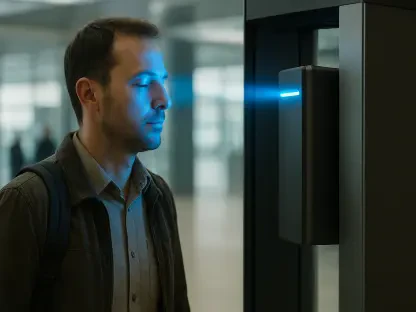
To ensure that these new cultural and historical attractions remain easily accessible to the target market, the strategy includes a comprehensive overhaul of the transit corridors connecting Bulgaria and Türkiye. Significant efforts have been directed toward streamlining border procedures and modernizing the road networks to eliminate the chronic bottlenecks that have historically plagued travelers during peak seasons. By implementing digital customs solutions and increasing the capacity of border checkpoints, the government aims to make the physical journey as efficient and stress-less as possible. This modernization is essential for facilitating the spontaneous weekend trips and short-term getaways that are a hallmark of the Turkish outbound travel market. When the physical barriers to movement are reduced, the cultural and economic exchange between the two nations can flourish more naturally, creating a more integrated regional tourism ecosystem that benefits both the visitors and the local hospitality industry.
Looking toward the immediate future, the Bulgarian government focused on extending its promotional reach into a wider variety of Turkish metropolitan areas while simultaneously refining its winter tourism and retail packages. The administration moved to establish more formalized joint tourism circuits that blend history, gastronomy, and high-end shopping into a single, fluid experience for the traveler. These circuits were designed to simplify the planning process for international visitors, offering pre-packaged routes that maximized the value of their time in the country. Furthermore, the strategic focus shifted toward the integration of advanced digital platforms that provide real-time updates on travel conditions and cultural events, ensuring that the infrastructure was supported by a robust information network. By prioritizing these structural and technological improvements, Bulgaria successfully positioned itself as a vital and modern hub within the broader European tourism network, ensuring that the momentum generated by the 2026 strategy would translate into sustainable long-term growth and regional cooperation.