
Rising operational costs and the scarcity of specialized engineering skills threaten the long-term viability of the nation’s twenty preserved heritage railway lines. This challenge has sparked a significant transformation in the Welsh tourism landscape through a strategic partnership between Transport for Wales, regional hospitality groups, and preserved steam railway operators. Launched in mid-2026, the “Wales on Rails” program seeks to pivot away from high-volume day-tripping toward a high-value, integrated model focusing on overnight stays. By bundling historic rail travel with local hotel accommodations, the initiative aims to create a seamless experience for visitors while drastically reducing the environmental impact of private vehicle use in sensitive rural corridors. This project is built on the premise that car-free travel packages can redefine how domestic and international tourists interact with the landscape, prioritizing long-term economic stability and responsibility.
Regional Economics: Strengthening Sustainability
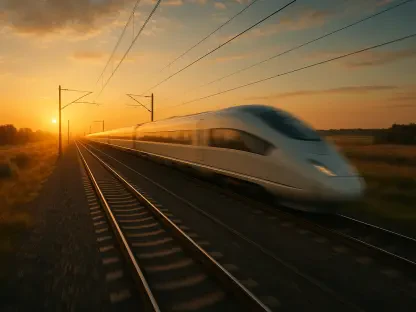
A central pillar of this ambitious project is the promotion of decarbonized travel by linking modern mainline rail services directly to historic heritage lines. This synergy provides a viable alternative to car travel, effectively alleviating traffic congestion in some of the most environmentally sensitive rural areas of the country. Beyond these immediate environmental benefits, the project fosters economic resilience for local communities that have historically struggled with seasonal tourism peaks. Because overnight guests typically contribute significantly more to the local economy than day visitors, the initiative ensures that revenue is more evenly distributed among rural restaurants, independent shops, and small boutique guesthouses. This shift in visitor behavior is essential for supporting a robust local supply chain that can withstand global economic shifts. By encouraging longer stays, the program helps stabilize year-round employment in the hospitality sector.
Cultural preservation serves as a primary driver for these economic gains, especially as Wales boasts over twenty preserved railway attractions that define its landscape. These lines are no longer viewed merely as nostalgic relics but as living museums that require consistent and significant investment to survive in a modern context. The revenue generated through integrated tourism packages is directly reinvested into the maintenance of vintage locomotives and the preservation of traditional engineering skills. This cycle ensures that the country’s industrial history remains a functional and profitable part of its modern economy rather than a decaying memory. By positioning these assets as key components of the tourism infrastructure, the initiative provides a clear financial justification for maintaining historic craftsmanship. It transforms historical preservation into a forward-looking economic strategy that supports local businesses while honoring the nation’s unique engineering heritage.
Collaborative Assets: The Operational Framework
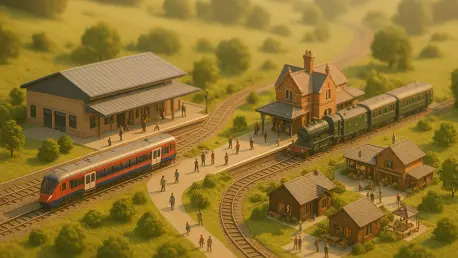
The success of this comprehensive initiative relies on complex coordination between various public and private entities, with the “Wales on Rails” organization acting as the primary logistical connective tissue. Strategic partnerships involve the Heritage Railway Association and a diverse range of accommodation providers, from high-end boutique hotels to larger regional hospitality chains. This collaborative framework ensures that existing infrastructure, including restored Victorian stations and vintage passenger carriages, is utilized to provide a unique nostalgic storytelling experience that modern commuter rail simply cannot replicate. By creating these unified service offerings, the program effectively markets the region as a cohesive destination rather than a collection of disconnected attractions. These partnerships also allow for shared marketing budgets and data-driven insights, enabling the group to target specific demographics who value authenticity and environmental sustainability.
Bridging the functional gap between modern and historic transport is essential for making car-free travel a practical reality for the average international or domestic tourist. The physical and logistical link between the modern Transport for Wales network and the steam-driven heritage lines allows for a smooth transition for travelers moving through the region. By simplifying the journey from a major urban center to a remote rural station, the project removes the traditional barriers that often make car-free travel in rugged regions a daunting or impossible prospect. Coordinated timetables and integrated ticketing solutions are being developed to ensure that passengers spend less time worrying about connections and more time enjoying the scenery. This level of operational integration is a prerequisite for competing with the convenience of private vehicles. Furthermore, it demonstrates how legacy infrastructure can be adapted to meet the demands of modern travelers through smart planning.
Infrastructure Risks: Human Capital Challenges
Despite the optimistic outlook, the project faces significant structural hurdles, particularly regarding the astronomical cost of maintaining 19th-century mechanical technology. Restoring vintage locomotives and maintaining miles of historic trackage requires specialized materials and a constant stream of funding that ticket sales alone often cannot cover. Furthermore, there is a pressing need for human capital, as the heritage rail sector currently relies heavily on an aging pool of dedicated volunteers. Recruiting and training a new generation of professional engineers and support staff is vital to ensure these dying trade skills are passed down before they are lost forever. The initiative is currently exploring apprenticeship programs that link historical engineering with modern manufacturing techniques to attract younger talent. Without a sustainable pipeline of skilled labor, the physical assets of the heritage lines will inevitably deteriorate, threatening the core of the tourism experience.
Environmental and logistical challenges also play a significant role in the long-term viability and success of the project. Rural Welsh tourism is historically susceptible to seasonal volatility and unpredictable weather patterns, which can lead to fluctuating passenger numbers and unstable revenue streams. Additionally, the notorious last-mile problem—the distance between a remote rural station and a traveler’s hotel—requires careful management through highly coordinated shuttle transfers and local transport links. Overcoming these logistical gaps is absolutely necessary to provide the high level of convenience that modern travelers expect from a premium vacation package. Project managers are currently testing electric shuttle fleets to maintain the carbon-neutral promise while bridging these physical gaps. Addressing these friction points is critical for ensuring that the transition from rail to room is as seamless as the train journey itself, thereby securing high customer satisfaction.
Digital Innovation: The Future of Rail
The future trajectory of the initiative involves a heavy focus on digital integration and the strategic expansion of tourism offerings across the region. By 2027, the “Wales on Rails” platform is expected to evolve into a comprehensive, all-in-one booking engine, allowing travelers to purchase mainline tickets, heritage excursions, and hotel stays in a single transaction. This technological advancement is designed to simplify the complex planning process and attract a broader demographic of international tourists who prioritize ease of use and mobile accessibility. By utilizing real-time data, the platform will also provide personalized recommendations based on traveler preferences and seasonal events. This digital shift not only improves the user experience but also provides operators with valuable analytics to optimize capacity and pricing strategies. As the platform matures, it will likely incorporate augmented reality features to enhance the storytelling aspect.
To further solidify its market position, the project intended to diversify its packages by linking rail travel with other outdoor and cultural activities throughout the countryside. Future itineraries were designed to include rail-to-trail hiking tours, visits to historic castles, and specialized wine-tasting excursions along the established rail corridors. By leveraging industrial history to promote contemporary ecological goals, Wales established a blueprint for how traditional heritage drove a vibrant and profitable tourism sector. Stakeholders moved toward a model where every ticket purchase directly funded local environmental restoration projects, closing the loop on sustainability. The integration of heritage assets with modern hospitality standards effectively proved that nostalgia and progress were not mutually exclusive. Ultimately, the industry pivoted toward high-value experiences that respected the past while protecting the future, ensuring the long-term survival of the nation’s engineering legacy.