
Katarina Railko brings a wealth of specialized knowledge to our discussion, having cultivated her expertise within the travel, tourism, and event sectors. As a key voice in hospitality, she has spent years analyzing how physical spaces influence the guest journey, particularly within the context of high-level expos and conferences. Today, we sit down with her to explore the development of the Sugarhouse Hotel in Vermont, a groundbreaking project that signals a major shift toward sustainable luxury. We dive into the significance of this 115-room development, its role as a pioneer in all-electric operations, and how it manages to blend the rugged, natural spirit of the Winooski River area with the sophisticated demands of modern travelers.
How does the Sugarhouse Hotel’s pursuit of LEED Platinum and net-zero energy status redefine what it means to be a luxury destination in today’s hospitality market?
The move toward a net-zero energy performance isn’t just a technical achievement; it represents a fundamental change in the soul of luxury hospitality. By becoming Marriott’s first all-electric property, this hotel proves that high-end comfort does not have to come at the expense of environmental integrity. Travelers today want to feel that their stay is “of the land,” and achieving LEED Platinum status provides a tangible sense of guilt-free indulgence. It is a bold statement to manage a 115-room property without traditional fossil fuels, showing that the future of the industry is grounded in stewardship. This project sets a new bar where the “rugged spirit” of a place like Vermont is expressed through sophisticated, clean energy solutions.
The hotel is described as being shaped by the rhythm of the land; how do the architectural choices and the collaboration with local artisans reflect that unique identity?
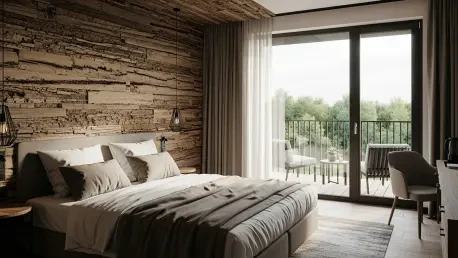
The design of the Sugarhouse Hotel is a masterclass in regional storytelling, moving far beyond generic aesthetic choices to embrace Vermont’s maple sugaring traditions. You can see this in the intricate timber detailing found throughout the guestroom interiors, which are actually named after local sugarhouses to ground the guest in the history of the region. By incorporating reclaimed materials and commissioning work from regional woodworkers, metalworkers, and glassblowers, the developers have ensured the building feels hand-crafted and authentic. It creates a sensory experience where you can almost smell the history of the forest within the modern structure. These textures and materials bridge the gap between a sleek hotel stay and the earthy, tactile reality of the Green Mountain State.
Located right next to a 104-acre nature preserve, how does the property manage the balance between being a city-front hotel and a gateway to the natural world?
The “nature out back, city out front” philosophy is a brilliant way to leverage the hotel’s unique geography in downtown Winooski. Being positioned adjacent to a 104-acre nature preserve while remaining less than 5 minutes from downtown Burlington allows guests to oscillate between urban energy and forest solitude effortlessly. You have the Winooski River providing a constant, calming backdrop that contrasts with the vibrant local community just outside the front door. This duality is essential for the modern wellness traveler who seeks the convenience of a city hub but needs the restorative power of a riverfront walk. It turns the hotel into a transitional space where the boundaries between the built environment and the wild landscape are beautifully blurred.
With spaces like Moss Café + Bar and the Tree Tops rooftop, what kind of sensory experience is being crafted for guests who visit this new urban landmark?
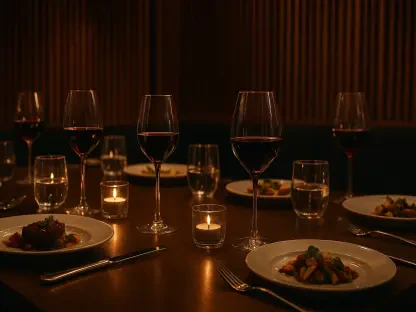
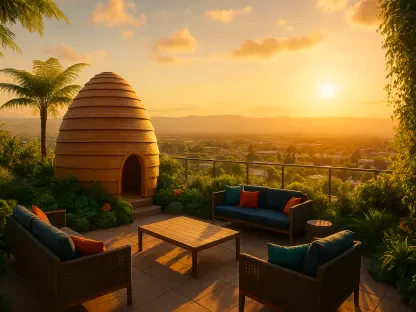
The culinary and social spaces are designed to elevate the guest’s connection to the surrounding geography through sight and taste. At Moss Café + Bar, the farm-to-table approach ensures that the flavors are as local as the timber on the walls, providing a literal taste of the Vermont landscape. Moving upstairs, the Tree Tops restaurant and the “Rise” event space offer panoramic views that allow guests to look out over the mountains and the riverfront from a bird’s-eye perspective. These rooftop venues create a dramatic atmosphere for gatherings, where the crisp Vermont air and the vast skyline become part of the event decor. It is about creating a destination where wellness and community are discoverable in every corner, from the first sip of a cocktail to the final look at the sunset.
What is your forecast for all-electric developments in the global hospitality sector?
I believe the success of this project will trigger a massive wave of all-electric conversions across major global brands as they realize that sustainability is now a core guest expectation. Within the next decade, we will see net-zero targets become the standard for new builds rather than a rare exception, especially as regional artisans and green technology become more integrated. The Sugarhouse Hotel serves as a successful pilot program that proves a 115-room luxury site can operate efficiently while honoring environmental stewardship. As more developers see the value in agritourism and LEED Platinum certifications, the industry will move toward a model where hotels are seen as active contributors to their ecosystems rather than just consumers of resources. This shift will ultimately redefine the “gold standard” of travel to be defined by carbon footprints as much as by five-star service.