
Investment in vocational training for local staff is essential for transforming a temporary surge in service demand into a professionalized industry. As global travelers seek untapped destinations, Tajikistan finds itself at a critical juncture where the raw beauty of the Pamir Mountains is no longer enough to sustain competitive growth. The government has prioritized the diversification of the economy, moving away from a heavy reliance on aluminum and cotton exports toward a high-value service sector. However, the transition requires a sophisticated approach to hospitality that goes beyond basic lodging. A robust framework for quality control and international certification must be established to ensure that the influx of foreign capital translates into long-term stability for local communities. This evolution necessitates a shift in how the nation views its natural assets, treating them as the foundation of a modern economic engine that can provide stable employment for the youth in urban and rural regions.
Infrastructure Development: Building a Resilient Network for International Tourism
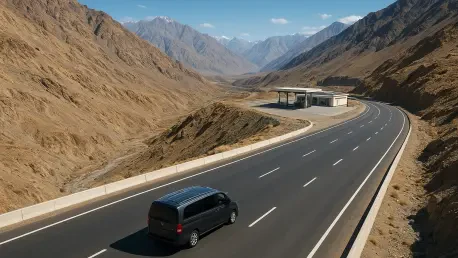
To support a modern hospitality sector, the physical landscape of the country has undergone significant renovations, particularly in the transit corridors that connect Dushanbe to the outlying provinces. Modernizing the road networks is crucial for safety and accessibility, as the rugged terrain of the Gorno-Badakhshan Autonomous Region remains a primary draw for adventure tourists. High-quality infrastructure development projects, funded by a mix of state budget and international development partners, are currently streamlining travel times and reducing the logistical hurdles that once deterred high-net-worth travelers. Beyond roads, the expansion of regional airports has allowed for direct routes to scenic hubs, bypassing the need for long and arduous overland journeys. These improvements serve as the backbone for secondary developments, such as standardized roadside service stations and modern medical facilities, which collectively enhance the safety net for visitors exploring the nation’s most remote and breathtaking corners.
Digital infrastructure is playing an equally vital role in this economic transformation by bridging the gap between local providers and the global marketplace. Implementation of advanced booking systems and integrated fintech solutions allows small-scale guesthouses in the Wakhan Valley to reach an international audience with the same ease as luxury hotels in the capital. Furthermore, the expansion of high-speed internet into mountainous zones facilitates the rise of digital nomads and remote workers who contribute to the local economy over longer durations. By adopting unified digital payment platforms, the country reduces the friction associated with currency exchange and cash-based transactions, which has historically been a barrier for western travelers. These technological advancements are not merely conveniences but are essential tools for data collection, enabling the ministry of tourism to track visitor trends and adjust policies in real-time to maximize economic impact while maintaining service quality.
Market Diversification: Expanding Service Portfolios and Cultural Assets
Diversification of the tourism product is another key pillar in the strategy to convert hospitality growth into sustainable economic strength. While mountaineering and trekking remain the primary attractions, there is a concerted effort to promote cultural and historical tourism centered on the rich legacy of the Silk Road. Ancient sites like Sarazm and the Hissar Fortress are being integrated into broader regional itineraries that emphasize the unique fusion of Persian influence and Soviet history. This approach encourages visitors to stay longer and spend more, as they move from high-altitude adventures to immersive cultural experiences in urban centers. Moreover, the development of agritourism offers a unique opportunity for rural populations to monetize their traditional lifestyles without abandoning their heritage. By showcasing local crafts, such as the intricate patterns of ikat weaving and traditional culinary arts, Tajikistan creates a unique brand identity that distinguishes it from neighboring Central Asian states and fosters pride.
Environmental stewardship must be integrated into this growth model to ensure that the natural beauty remains an asset for decades to come. The establishment of protected national parks and the enforcement of strict ecological standards for new constructions are necessary steps to prevent the degradation that often follows rapid tourism expansion. Stakeholders are increasingly focusing on low-impact, high-value ecotourism, which prioritizes environmental conservation alongside community benefits. This strategy involves training local guides as stewards of the land, ensuring that trekking routes and wildlife habitats are managed according to international sustainability protocols. By positioning itself as a leader in green tourism within Central Asia, the nation can attract a specific demographic of conscious travelers who are willing to pay a premium for authentic and sustainable experiences. This focus on quality over quantity helps mitigate the risks of overtourism and ensures that the economic benefits are distributed more equitably.
Human Capital: Developing Specialized Skills and Strategic Policy Frameworks
The long-term viability of the hospitality sector depends on the creation of a supportive policy environment that encourages foreign direct investment while protecting local interests. Tax incentives for hotel developers and simplified visa procedures for a wider range of nationalities have already sparked a significant increase in business activity within the capital and beyond. However, the government must continue to refine these regulations to ensure they support small and medium-sized enterprises, which form the backbone of the domestic service economy. Collaborative efforts between the public and private sectors are essential for creating a unified marketing strategy that communicates a clear and compelling value proposition to the world. By establishing a national quality mark for hospitality services, the state can provide a benchmark for excellence that motivates providers to elevate their standards. This regulatory oversight ensures that growth is not just rapid but also reliable, building a global reputation for safety.
To ensure advancement, it was determined that the next phase of development necessitated a focus on regional integration and niche marketing. Leaders recognized that the most effective solution involved establishing a revolving fund for small-scale mountain hospitality businesses to upgrade their sanitation and energy systems. Furthermore, the consensus was reached that the state needed to institutionalize a biennial review of its tourism laws to remain competitive with neighboring markets. Strategies were formulated to prioritize the digitization of historical records, allowing for immersive augmented reality experiences at major sites. By focusing on these technical improvements, the nation sought to transition from a seasonal destination to a year-round hub for research and adventure. This forward-looking mindset was codified into a master plan that prioritized community-led management of natural parks, ensuring that the local population remained the primary beneficiaries of the economic growth generated by the sector.