
National planners are currently restructuring the tourism sector to target independent travelers who seek deep historical immersion over passive Mediterranean beach stays. This fundamental shift marks a departure from decades of mass-market coastal packages that often isolated visitors from the nation’s profound archaeological wealth. By prioritizing the preservation and accessibility of Punic, Roman, and Islamic landmarks, the government is redefining the national identity as a sophisticated destination for those craving intellectual engagement. The strategy involves not only the restoration of physical structures but also the creation of digital and physical infrastructure that connects disparate sites into a singular, cohesive narrative. This transformation reflects a broader global trend where travelers increasingly value authenticity over leisure-based vacations. As the nation pivots toward this model, the focus is now on ensuring that the heritage sector becomes the primary engine for sustainable development and growth.
Moving Inland: The Transformation of Ancient Sites
Archaeological Innovation at Uthina
The ancient site of Uthina, situated just south of Tunis, has emerged as the central laboratory for this new experiential approach. Planners have moved away from traditional static displays, instead reimagining the ruins as an interactive journey through Roman North African life. The site’s massive amphitheater and the grand Capitolium are no longer just sights to be observed from a distance; they are now the anchors of structured narrative routes that guide visitors through the complexities of ancient urban planning. By implementing smart signage and augmented reality overlays, the site provides a vivid reconstruction of how these spaces functioned two millennia ago. This methodology transforms a casual visit into a profound educational encounter, encouraging travelers to spend significant time exploring the nuances of the architecture. The success of Uthina demonstrates that providing context is essential for attracting a modern audience that seeks to understand the history behind the ruins they encounter.
Decentralizing the Economic Impact of Heritage
Beyond the immediate educational value, the expansion of inland tourism serves as a critical tool for regional economic revitalization. By actively promoting a network of nine UNESCO World Heritage properties, including the breathtaking ruins of Dougga and the spiritual heart of Kairouan, the government is effectively decentralizing the tourism industry. Historically, wealth was concentrated along the coastal belt, leaving the interior’s rich history largely inaccessible and underfunded. The current model encourages the development of a sustainable ecosystem of boutique heritage accommodations, such as converted traditional homes, which provide jobs for local artisans and guides. This shift ensures that the economic benefits of international interest reach deep into the hinterland, fostering a sense of local pride and stewardship over these historical treasures. By making these ancient sites the centerpieces of regional development, Tunisia is proving that cultural preservation can be a powerful catalyst for modern social and economic progress.
The Tunis Circuit: A Cohesive Urban Narrative
Integrating History and Modernity in the Capital
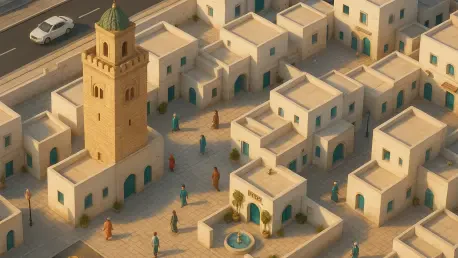
In the capital city of Tunis, the current strategy focuses on weaving together the diverse threads of the urban landscape to create a unified city-break experience. The UNESCO-listed Medina remains the spiritual and cultural heart of this initiative, offering travelers an authentic encounter with Islamic architecture that spans centuries. Rather than being treated as a preserved relic, the Medina is presented as a vibrant, living district where traditional handicrafts and modern entrepreneurship coexist. Travelers are invited to explore the labyrinthine alleys not just for the aesthetic appeal, but to engage with the social fabric of the city. This integrated narrative allows for a seamless transition from the quiet grandeur of the Zitouna Mosque to the bustling energy of contemporary souks. By emphasizing the continuity of life within these historic walls, the city provides a compelling urban contrast to the silent ruins found in the countryside. This approach ensures that the capital remains a dynamic destination.
Intellectual and Aesthetic Anchors of the North
Serving as the intellectual anchor of the capital’s cultural circuit, the Bardo National Museum has undergone a series of updates to provide deeper context for the country’s archaeological sites. It houses one of the world’s most significant collections of Roman mosaics, which are now curated to tell a more cohesive story of North African history. This museum experience is carefully linked to the nearby ruins of Carthage and the picturesque village of Sidi Bou Said, creating a logistical triangle that is easily navigable for international visitors arriving via the Tunis-Carthage International Airport. The blue-and-white aesthetic of Sidi Bou Said provides a visual climax to the journey, balancing the weight of historical study with the natural beauty of the Mediterranean. This cohesive visitor experience is specifically designed to attract high-value cultural explorers who prioritize efficient itineraries. By optimizing these connections, the capital has solidified its role as the primary gateway to a deeper understanding of the nation’s heritage.
Strategic Pathways for Heritage Sustainability
The pivot toward heritage-driven tourism necessitated a total realignment of national infrastructure and marketing priorities. It was not enough to simply open the gates to ancient ruins; the nation had to build a support system that prioritized environmental sustainability and local community involvement. Moving forward from this current baseline, the focus remained on the digitizing of archaeological records to create global access and pique the interest of researchers and students alike. Investors were encouraged to look beyond the immediate returns of large-scale resorts and instead fund smaller, high-impact projects that preserved the integrity of historic sites. Key initiatives included the establishment of specialized training programs for local guides to ensure that the narrative remained accurate and engaging. By maintaining this commitment to authenticity and regional equity, the nation secured its position as a leader in the global cultural market. The transition proved that a country’s greatest assets often lie in its ability to tell its own story.