
The global travel industry is currently witnessing a profound transformation as individuals increasingly reject the fleeting indulgence of luxury spas in favor of holistic, sustainable living practices that can be integrated into their daily routines. In this evolving landscape, Catalonia has emerged as a primary destination for those seeking more than a temporary escape from the pressures of modern life. Instead of viewing health as a commodity to be purchased in a clinical setting, the region treats it as a natural byproduct of engaging with the environment. This shift marks a departure from the traditional retreat model, favoring an immersion into local rhythms that foster long-term physical and emotional resilience. By leveraging its diverse geography, which stretches from the high peaks of the Pyrenees to the Mediterranean coast, the region offers a blueprint for wellness that is rooted in history, nature, and a slow-travel philosophy that encourages visitors to decompress through a genuine way of life.
Exploring Regional Rhythms of Rest
The Connection to Land and Mountain
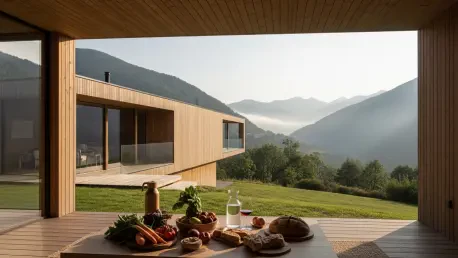
In the high-altitude reaches of the Pyrenees, the concept of wellness is stripped of its modern commercial veneer and returned to its elemental roots. The rugged terrain provides a natural setting where the pace of life is dictated entirely by the shifting seasons and the raw power of the mountain environment. This approach, often described as alpine essentialism, encourages visitors to abandon the constant stimulation of digital devices and urban noise in favor of a meditative silence. During the winter months, the focus is placed on the restorative power of heat and cold, where the simple act of tending a fire or walking through a frozen landscape becomes a form of mindfulness. In the warmer seasons, the crystalline waters of mountain lakes offer a bracing physical experience that resets the nervous system. The goal here is not to achieve a temporary state of relaxation but to cultivate a mental clarity that arises from a direct, unmediated relationship with the physical world.
The Legacy of Southern Landscapes
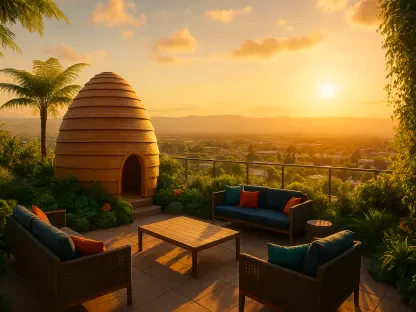
Traveling south toward the province of Tarragona, the narrative of wellbeing shifts from the rigorous demands of the mountains to the gentle, rhythmic cycles of the agricultural land. Here, the focus is on slow travel, where the primary objective is to align one’s personal tempo with the traditional rituals of the harvest and the changing of the light across the interior plains. In the vast vineyards of the region, visitors are encouraged to participate in the local culture by understanding the relationship between the soil, the climate, and the final product. This connection to the earth fosters a grounding influence that is often lost in hyper-urbanized societies. The open horizons of the Ebro Delta, with its expansive wetlands and quiet waterways, provide a sense of space that allows the mind to expand and wander. In this environment, the act of observing migratory birds or the movement of the tide becomes a powerful tool for stress reduction and emotional centering.
Finding Equilibrium in the Landscape
The Synthesis of Modern and Traditional Spaces
The areas surrounding Barcelona offer a compelling example of how modern convenience can coexist with the deep-seated need for natural tranquility and environmental connection. For the contemporary traveler who remains active in the global economy, the ability to transition quickly from a high-energy city center to a peaceful forest retreat is an essential component of a balanced life. This region demonstrates that wellness does not require a complete withdrawal from society; instead, it is found in the ability to move seamlessly between different states of being. Just a short journey from the metropolitan bustle, visitors find themselves in quiet woodlands or rustic guesthouses where the focus shifts toward seasonal dining and personal reflection. This proximity allows for a hybrid lifestyle where one can engage in intensive cultural activities during the day and then retreat to a sanctuary of calm in the evening. It is a model that prioritizes mental flexibility and the strategic use of space.
Coastal Serenity and Historic Depth
In the province of Girona, the Mediterranean lifestyle is presented in rich, overlapping layers that blend the world-renowned coastline with a profound sense of historical depth. This region is characterized by a seamless transition between the rugged beauty of the Costa Brava and the lush greenery of the inland cork forests and medieval villages. The pace of life here is intentionally unhurried, reflecting a cultural heritage that values quality over quantity in all aspects of daily existence. For the visitor, this means that a morning walk along a coastal path, where the sea air provides a natural boost to respiratory health, can easily transition into an afternoon spent exploring the cool, shaded streets of a centuries-old town. This variety of experiences ensures that the body and mind are constantly engaged in different, but equally restorative, ways. The landscape itself acts as a guide, leading the traveler toward a state of equilibrium where beauty is matched by quiet dignity.
The Cultural Foundation of Health
Gastronomy and Sustainable Heritage
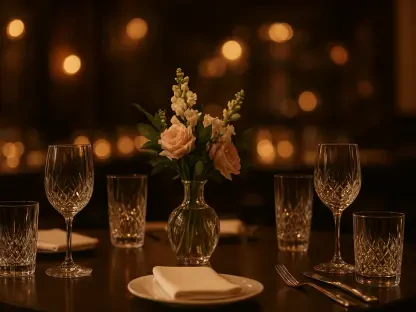
At the core of the Mediterranean way of life is a deep-seated respect for the social and nutritional importance of food, which transcends the simple act of eating. In Catalonia, gastronomy is recognized as a fundamental pillar of public health, emphasizing the role of fresh, locally sourced ingredients in preventing disease and promoting longevity. However, the benefits of this culinary tradition extend far beyond basic nutrition; the act of sharing a meal is a vital social ritual that strengthens community bonds and reduces the sense of isolation that often accompanies modern urban life. By prioritizing the quality of the ingredients and the environment in which they are consumed, the region offers a template for a more conscious and sustainable approach to daily living. This model encourages individuals to take responsibility for their own health by making informed choices about what they eat and how they interact with their local food systems, fostering long-term resilience.
Social Rituals and Community Flourishing
The integration of environmental diversity with a respect for sustainable heritage provides a comprehensive framework for living a balanced and meaningful life. This approach suggests that true wellbeing is achieved through a continuous process of engagement with one’s surroundings, rather than through isolated incidents of self-care. By preserving traditional agricultural practices and protecting natural landscapes, the region ensures that the resources necessary for a healthy life are available for future generations. Visitors who immerse themselves in this culture often find that their priorities shift, as they begin to value the slow, the local, and the authentic over the fast-paced and the mass-produced. This transformation is the ultimate goal: to provide a living example of how to thrive in the modern world without losing touch with the natural and cultural roots that sustain us. It is a reminder that health is a lifelong journey, deeply influenced by the communities we build.
Sustainable Integration for Long-Term Vitality
The shift toward a more integrated, lifestyle-based approach to wellness represented a significant evolution in how global travelers perceived the concept of health and recovery. Instead of relying on isolated medical interventions or expensive spa packages, those who engaged with the Catalan model prioritized the adoption of sustainable daily habits and the cultivation of a deeper connection to their environment. This transition underscored the importance of movement, community, and seasonal nutrition as the primary drivers of long-term vitality and mental clarity. Moving forward, the most effective strategy for maintaining these gains involved the deliberate integration of slow practices into one’s home environment, such as prioritizing local food sources and carving out dedicated time for silent reflection. By treating the environment as a partner in the wellness journey, individuals successfully moved away from the cycle of burnout and temporary recovery, ensuring a more resilient and balanced future.