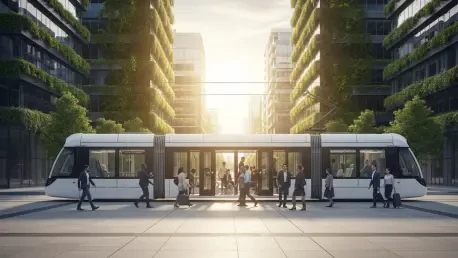

While global travelers often calculate the success of their journeys through the lens of flight costs and luxury accommodations, the granular expenses of moving within a city can silently erode even the most meticulously planned holiday budgets. In major metropolitan hubs, the financial friction of navigating complex metro systems or hailing expensive taxis frequently dictates where a tourist goes and how much of a city they truly experience. Walking remains the gold standard for budget-conscious explorers, but it is often an impractical solution when faced with sprawling urban layouts, unpredictable weather, or the burden of heavy luggage. To address these persistent challenges while simultaneously tackling urban congestion and carbon emissions, a growing coalition of forward-thinking cities has begun to dismantle the traditional fare-box model. By offering public transportation at no cost, these destinations are not merely providing a subsidy; they are fundamentally redefining the relationship between the visitor and the urban environment. This shift removes the psychological and financial barriers to movement, allowing the city to become a truly open canvas for exploration and commerce. As this movement gains momentum, the traditional practice of paying for every individual bus or train ride is being scrutinized as an outdated relic of a less connected era.
National Sovereignty: The Rise of Unified Mobility Systems
Luxembourg established a groundbreaking precedent by becoming the first nation to make all buses, trains, and trams entirely free across its entire territory. This ambitious project was not just a gesture of goodwill toward tourists but a strategic necessity designed to manage the immense pressure of daily commuters who flood across the borders from France, Germany, and Belgium. By prioritizing public mobility as a fundamental right rather than a revenue stream, the nation proved that a nationwide free transit model is entirely feasible when integrated with broader social and environmental goals. For the traveler, this creates a seamless experience where the entire country is accessible without the need to decipher complex fare maps or manage multiple ticketing apps. One can move from the historic underground tunnels of the capital to the medieval fortresses of the north without a single financial transaction. This level of connectivity encourages visitors to extend their stay and explore beyond the primary tourist zones, redistributing economic benefits to smaller villages and local businesses that were previously difficult or expensive to reach for those without a private vehicle.
Building on the success of these nationwide initiatives, regional projects in areas like Salzburg have demonstrated how free transit can bridge the gap between urban centers and the rugged countryside. By providing guest mobility passes that cover public transportation throughout the entire province, Salzburg allows visitors to transition effortlessly from the city’s baroque architecture to the pristine alpine lakes and hiking trails of the surrounding region. This regional approach effectively expands the visitor’s playground, making the expensive and often intimidating prospect of mountain travel much more accessible. It encourages a slower, more immersive form of tourism where the journey itself becomes part of the experience rather than a stressful logistical hurdle. By extending these services to the rural periphery, the regional government has successfully reduced the reliance on rental cars, which in turn preserves the delicate ecological balance of the Austrian Alps. This model illustrates that when transportation is treated as a public utility rather than a business, it serves as a powerful catalyst for both regional tourism and environmental conservation, setting a standard for other mountainous regions worldwide.
Urban Optimization: City Center Zones and Hospitality Incentives
In Australia, Melbourne has mastered the art of localized mobility by maintaining a free tram zone within its central business district, a strategy that keeps the heart of the city pulsing with activity. This specific focus allows residents and visitors to hop on and off near iconic landmarks like the Queen Victoria Market and Flinders Street Station without the friction of fare payment. By concentrating the free service in the busiest corridors, the city has significantly reduced the number of short car trips, which historically contributed to gridlock and air pollution. For the traveler, this translates into a liberating urban experience where the city’s famous coffee culture and hidden art galleries are linked by a reliable, cost-free network. This strategic decision encourages foot traffic near local retail shops and restaurants, boosting the local economy by making it incredibly simple for people to move between different commercial blocks. The free tram zone acts as a welcoming gesture, signaling to visitors that the city center is a shared space designed for people rather than just for vehicles, effectively enhancing the overall livability and charm of the metropolitan core.
Geneva has adopted a slightly different but equally effective strategy by integrating transportation directly into the hospitality sector through the provision of a free digital transport card for overnight guests. This pass, which is issued to anyone staying in local hotels, hostels, or campsites, covers the city’s entire network of buses and trains, including the distinctive yellow taxi boats that ferry passengers across the waters of Lake Geneva. This approach transforms the public transit system into a significant value-add for the local tourism industry, helping to offset the high cost of living that often characterizes Swiss cities. By making the scientific and diplomatic landmarks of the city more accessible, Geneva ensures that its cultural and intellectual assets are not hidden behind a paywall of transit fares. The system is designed to be exceptionally user-friendly, allowing guests to begin their exploration the moment they check into their accommodation without the need for immediate currency exchange or app downloads. This model demonstrates how a city can leverage its existing infrastructure to create a more competitive tourism product while simultaneously promoting sustainable travel habits among its temporary residents.
Social Revitalization: Environmental Progress and Community Equity
The French coastal city of Dunkirk serves as a powerful case study for using free public transportation as a tool for community revitalization and environmental stewardship. After making its entire bus network free, the city witnessed a dramatic increase in ridership, which in turn led to a more vibrant and connected urban atmosphere. This policy has made it significantly easier for both residents and visitors to reach the city’s historic beaches and maritime museums, fostering a sense of social equity and shared ownership of public space. By removing the financial barrier to entry, Dunkirk has effectively democratized travel within its borders, ensuring that everyone, regardless of their economic status, has access to the city’s cultural and natural attractions. This shift has not only lowered the community’s carbon footprint but has also breathed new life into the commercial districts that were once struggling due to traffic congestion and lack of accessibility. The success of the Dunkirk model highlights the potential for free transit to act as a social equalizer, creating a more inclusive environment where mobility is no longer a luxury but a common resource.
In the northern reaches of Iceland, the town of Akureyri offers free bus travel to everyone as a means of encouraging transit use in a region where the cost of living and vehicle maintenance is exceptionally high. This service is particularly beneficial for visitors who travel to the “Capital of the North” to witness the Northern Lights or embark on whale-watching tours. By providing free transportation, the town eliminates the need for expensive rental cars, which can be difficult to navigate for those unfamiliar with Icelandic winter driving conditions. This initiative positions Akureyri as a friendly and accessible alternative to more crowded and expensive destinations, proving that even small, remote communities can benefit from zero-fare models. The free bus system allows tourists to find quiet viewing spots for celestial phenomena or access trailheads for scenic hikes without the logistical headache of parking and fuel costs. This commitment to accessibility strengthens the bond between the town and its visitors, ensuring that the natural beauty of the Arctic region remains accessible to all who seek it while minimizing the environmental impact on the pristine landscape.
Geographical Logistics: Overcoming Seasonal and Terrain Challenges
Livigno, a renowned mountain town in the Italian Alps, has pioneered a free transportation system specifically designed to meet the unique needs of a seasonal tourism economy. During the winter months, the town operates a fleet of buses that are tailored to accommodate passengers carrying bulky skiing and snowboarding equipment, making the transit between hotels and ski lifts entirely effortless. This service is a cornerstone of the local economy, as it prevents the narrow mountain roads from becoming overwhelmed by tourist vehicles and simplifies the daily commute for thousands of outdoor enthusiasts. When the snow melts, the same system continues to serve hikers and mountain bikers, providing them with easy access to high-altitude trails and remote mountain huts. By providing this consistent, cost-free link, Livigno has created a specialized infrastructure that supports its reputation as a premier destination for active travel. The system proves that free transit is not just for large urban centers but is an essential component of managing tourism in geographically challenging environments where road capacity is limited and environmental preservation is a top priority.
In contrast to the vertical challenges of the Alps, Calgary utilizes a free fare zone on its light rail system to navigate the horizontal sprawl of its downtown core. This major corridor connects essential cultural hubs, including large-scale museums, lush indoor gardens, and sprawling shopping centers, offering a vital alternative to the car-heavy culture typical of many North American cities. By providing a cost-free transit spine through the heart of the city, Calgary ensures that its downtown remains vibrant and accessible to a wide range of visitors and workers. This service is particularly important during the harsh Canadian winters, as it allows people to move between heated indoor environments without ever needing to step outside or pay a fare. The free fare zone acts as a social and economic bridge, linking different parts of the commercial district and making it easier for tourists to explore the city’s diverse offerings. It represents a strategic investment in urban livability, demonstrating how public transportation can be used to combat the isolation of car-dependent layouts and foster a more integrated and pedestrian-friendly urban experience for everyone.
Digital Integration: The Infrastructure of Future Mobility
As the transition toward free public transportation accelerated between 2026 and the current landscape, the role of digital infrastructure became increasingly central to the success of these programs. Cities that adopted zero-fare models realized early on that removing the physical ticket was only half the battle; they also needed to provide real-time information and seamless navigation to ensure the system was actually utilized. Modern mobility platforms now integrate schedules, occupancy levels, and multi-modal connections into single, intuitive interfaces that require no payment credentials. This digital shift has eliminated the friction that once defined international travel, where a visitor would spend their first hour in a new city struggling to understand a ticket kiosk or downloading a local currency app. By stripping away these complexities, cities have created a “plug-and-play” urban experience where a traveler can step off a plane or train and immediately become a mobile part of the local fabric. This transparency in transit has led to higher user satisfaction and a more efficient distribution of passengers across the network, as the data gathered from these digital passes allows cities to adjust service levels in real-time based on actual demand.
The move toward free transit has also sparked a broader conversation about the nature of public services and the true cost of fare collection. For many years, the administrative overhead of maintaining ticketing machines, enforcing fare compliance, and processing payments accounted for a significant portion of transit budgets. By eliminating these costs, cities have found that they can redirect funds toward improving service frequency, expanding routes, and upgrading vehicle fleets to cleaner, electric models. This shift in financial priority suggests that the goal of public transportation is no longer to achieve a high fare-box recovery ratio, but to maximize the total social and economic value of the network. When people can move freely, they spend more time and money in local neighborhoods, they access a wider range of employment opportunities, and they contribute to a significant reduction in the external costs of traffic accidents and air pollution. This holistic view of mobility as a foundational service has transformed the way urban planners approach city design, leading to the creation of more equitable landscapes where the ability to travel is viewed as a basic human right.
Strategic Realignment: Insights for Global Implementation
The global transition toward free public transportation reached a significant milestone as urban planners and government officials moved beyond the experimental phase and toward standardized implementation. It was observed that the cities achieving the highest success rates were those that viewed transit not as a business meant to generate profit, but as a critical piece of infrastructure comparable to public roads or street lighting. This shift in perspective allowed for more stable funding models, often supported by a combination of tourism taxes, environmental levies, and corporate contributions from businesses that benefited from increased foot traffic. The results clearly indicated that the indirect economic benefits, such as reduced road maintenance and increased local tax revenue from thriving commercial districts, frequently outweighed the loss of direct ticket sales. Furthermore, the psychological impact of free transit on the visitor experience could not be understated, as it removed a major point of stress and confusion, making cities feel more welcoming and navigable. These findings provided a blueprint for other metropolitan areas looking to revitalize their cores and meet aggressive climate targets through increased transit usage.
As these zero-fare systems matured, the focus shifted toward ensuring long-term sustainability and expanding the reach of the networks into underserved suburban and rural areas. It became clear that the next step for many of these programs involved the integration of micro-mobility options, such as free bike-sharing and electric scooter programs, to solve the “last mile” problem of urban travel. By creating a comprehensive ecosystem of free mobility, cities effectively neutralized the primary advantages of private car ownership, leading to a noticeable decline in urban congestion and a significant improvement in air quality. The success of these initiatives also encouraged a more collaborative approach between neighboring municipalities, resulting in the creation of cross-border free transit zones that mirrored the Luxembourg model on a regional scale. This evolution of the public transit landscape suggested that the future of travel would be defined by radical accessibility and the complete removal of financial barriers to movement. As a result, the global community took a decisive step toward a more connected and equitable world, where the freedom to explore and interact with diverse environments was no longer restricted by the price of a ticket.