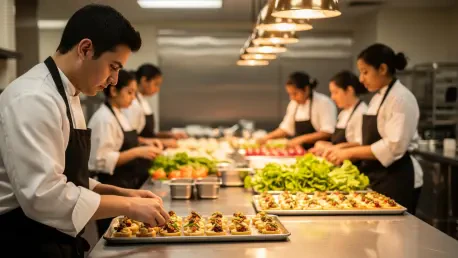

The landscape of institutional dining is undergoing a radical transformation as students and faculty demand more than just convenient meals; they seek a connection to the origin of their food and the environment that produced it. Drake Wiggins has arrived at UNL Catering with a mission to bridge this gap, utilizing his extensive background in high-end culinary arts to redefine what it means to eat on campus. By emphasizing seasonal ingredients and strengthening ties with Nebraska farmers, Wiggins is moving away from the mass-produced, frozen-to-fryer model that once dominated the industry. This shift is not merely about flavor, though the improvement is undeniable, but about creating a sustainable ecosystem within the university’s food service operations. As the demand for transparency grows, the integration of farm-to-table principles serves as a blueprint for institutional change across the region, proving that large-scale catering can be both high-quality and ethically sourced.
A New Era of Culinary Excellence at UNL
Bridging the Gap: Local Farms and University Dining
The integration of local agriculture into the university’s supply chain represents a significant departure from traditional procurement methods that prioritized low-cost bulk purchasing over quality and regional support. Drake Wiggins has spearheaded an initiative that prioritizes partnerships with small-scale producers throughout Nebraska, ensuring that a substantial portion of the produce, dairy, and meat served at campus events is sourced within a few hundred miles.
This localized approach not only supports the regional economy but also drastically reduces the carbon footprint associated with long-distance food transportation. By visiting farms and establishing direct relationships with growers, the catering team has gained a deeper understanding of the seasonal challenges and triumphs of the Heartland’s agricultural landscape. This knowledge allows for a more agile kitchen that can adapt menus based on what is freshest at the moment, resulting in a superior product.
Seasonal Menus: Crafting Experiences Beyond the Plate
Transitioning to a seasonal menu model requires a sophisticated level of culinary expertise and logistical planning, particularly when managing the diverse requirements of university catering. Traditional menus often remain static throughout the year, relying on frozen ingredients that lose their vibrancy and nutritional value. Under the guidance of Wiggins, the catering department has embraced a rotating schedule that mirrors the natural rhythm of the Nebraska harvest, celebrating peak-season produce.
This focus on seasonality also allows the university to manage costs more effectively by purchasing items when they are most abundant and affordable. The impact is most visible during high-profile functions where the quality of the food serves as a reflection of the institution’s excellence. From donor galas to academic symposiums, the catering team now delivers sophisticated menus that compete with the finest restaurants, reinforcing the idea that the university values excellence in every facet.
Modernizing Institutional Food Systems
Technological Advancements: Precision and Sustainability
Modernizing the infrastructure of a university kitchen involves more than just purchasing new appliances; it requires a strategic integration of technology that supports sustainability and precision. Wiggins has implemented advanced inventory management software that tracks the origin and shelf life of every local ingredient, minimizing waste and ensuring that products are utilized at their peak freshness. This data-driven approach allows the department to predict demand more accurately and reduce over-production.
Additionally, the introduction of smart ovens and energy-efficient refrigeration systems has lowered the kitchen’s overall energy consumption, aligning the department with broader sustainability goals. These technological upgrades empower the culinary team to focus more on the craft of cooking rather than the administrative burdens of manual tracking. By leveraging these tools, the department has created a more streamlined and responsive environment that can handle the complexities of sourcing from small vendors.
Strategic Growth: Setting a New Standard for the Region
Establishing a new standard for regional institutional dining required a long-term commitment to evolving practices and transparent reporting of sustainability metrics. The university began to formalize these standards by creating a comprehensive framework that outlined the percentage of locally sourced ingredients required for various types of events. This framework served as a guide for future expansion, ensuring that as the catering service grew from 2026 to 2028, it remained rooted in its core mission of supporting local farmers and providing high-quality nutrition.
The implementation of these strategies demonstrated that large-scale catering could prioritize quality and regional sustainability without compromising efficiency. Stakeholders observed a marked improvement in guest satisfaction and a revitalized interest in the campus culinary program. Moving forward, the department established actionable benchmarks aimed at achieving complete supply chain transparency. These efforts solidified a legacy of environmental responsibility and culinary innovation at the university.