
Authentic and less crowded alternatives like Perugia, Italy are outperforming major hubs as travelers seek cultural depth in smaller, more manageable destinations. This shift marks a broader departure from the era of standardized, mass-market tourism that dominated previous decades. As the industry moves toward 2027, the focus has pivoted significantly toward psychological drivers and highly personalized experiences. The “Unpack ’27” report recently highlighted how the conventional tropical week-long getaway is losing its appeal in favor of trips that prioritize emotional resonance and a temporary escape from the rigid structures of modern adulthood. Today’s travelers are increasingly rejecting “cookie-cutter” packages, opting instead for journeys that offer nostalgia, wonder, or a specific aesthetic vibe. This evolution reflects a more sophisticated consumer who views travel not just as a physical relocation, but as a narrative opportunity or a much-needed mental reset in an increasingly complex world.
The Cultural Drivers of Modern Tourism
The Screen to Scenery Pipeline
The influence of media on global tourism has reached unprecedented levels, creating a phenomenon known as “Set-Jetting.” Currently, nearly 20% of travelers identify television shows and cinema as their primary source of inspiration when choosing a new destination. This trend indicates a profound shift in how consumers discover the world, moving away from traditional travel brochures and agencies toward the immersive storytelling found on digital streaming platforms. High-profile productions are now dictating seasonal travel patterns with remarkable precision. For instance, the upcoming sixth season of Emily in Paris is expected to drive massive interest toward Monaco and Greece. Similarly, the fourth season of The White Lotus has positioned the French Riviera—specifically high-end hubs like Cannes and Saint-Tropez—as the essential “must-visit” locations for luxury travelers seeking the specific lifestyle portrayed on screen. This media-driven discovery is redefining regional tourism.
Reclaiming Childhood Through Play
Another psychological force shaping the market is the concept of “Un-Adulting,” a trend where 57% of adults seek to recapture the carefree nature of their youth. This desire stems from a collective need to temporarily abandon the mounting responsibilities of professional and domestic life. These vacations often center on activities that allow for pure play and wonder, frequently occurring in “adults-only” environments at traditionally family-oriented venues. Travelers are flocking to high-energy theme parks like Tokyo Disneyland or exploring interactive installations like the Museum of Ice Cream in New York, specifically to engage in “childish” fun without the presence of children or the logistical stress of parenting. By prioritizing these lighthearted experiences, travelers find a necessary mental break that fosters creativity and emotional rejuvenation. This movement suggests that the future of hospitality will rely heavily on creating spaces where playfulness and wonder are the primary products.
New Strategies for Travel and Design
Efficiency and Aesthetics: The New Standards
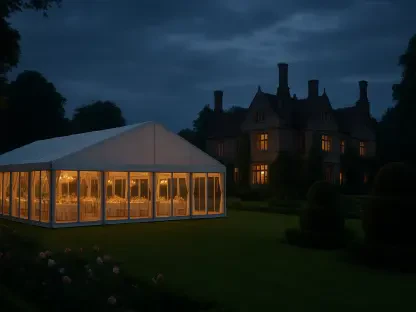
The practical side of modern travel is characterized by the rise of “Trip Snacking,” where 79% of travelers opt for quick, 24-hour micro-breaks instead of long annual vacations. These brief escapes provide a rapid mental reset and are often inspired by specific cultural events, such as a major concert or a milestone birthday. Simultaneously, a significant aesthetic shift is occurring as travelers move away from minimalist designs toward “Gothic Getaways.” Influenced by dark, atmospheric media like Wednesday, 65% of tourists now seek accommodations that offer mystery and historical drama, such as the Fairmont Le Château Frontenac. This trend highlights a growing demand for “mood tourism,” where the physical environment and the “vibe” of the architecture are just as important as the destination itself. Whether through a fast-paced micro-trip to Copenhagen or a stay in a moody, castle-like hotel in France, the modern traveler is prioritizing narrative and efficiency over traditional luxury, reflecting a broader cultural move toward snackable yet highly atmospheric experiences.
Emerging Hotspots: Navigating Future Trends
The geographic landscape of 2027 favored unconventional hotspots, with South Lake Tahoe seeing a 195% increase in interest and Japan’s Hyogo region rising by 95%. Travelers actively sought authentic alternatives like Punta del Este, Holbox, and Perugia to avoid the congestion of major metropolitan centers. This transition toward niche, narrative-driven journeys successfully demonstrated that personal fulfillment and psychological well-being became the primary metrics for success in the industry. The move beyond passive sightseeing allowed for deep emotional connections and cultural resonance. Industry stakeholders who embraced these diverse trends—ranging from the playfulness of “Un-Adulting” to the mystery of gothic architecture—effectively captured the market’s shift toward meaningful exploration. For those navigating the future of the travel sector, the focus remained on prioritizing personal resonance and cultural depth over traditional destination status. The era of the purposeful, mood-centric trip arrived as the standard for the modern explorer.