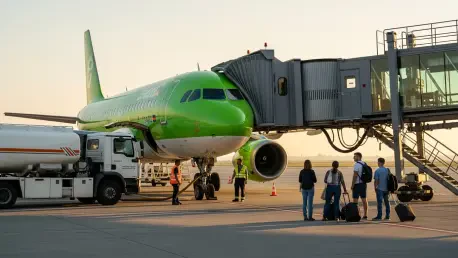

A surge in jet fuel prices tied to Middle East turmoil upended early-summer plans across Europe, pressing Transavia to cut flights just as demand crested for May holidays and city breaks that anchor the travel calendar from late spring into high summer. The low‑cost arm of Air France‑KLM confirmed it would trim roughly two percent of its May–June schedule, a numerically small reduction that nonetheless collided with a peak window for short‑haul leisure trips, group tours, and event travel into major hubs. Price signals were immediate: tighter capacity met higher operating costs, and the carrier added about 10 euros to a return ticket to partly absorb the shock. With thinner margins than legacy rivals, budget airlines typically feel fuel spikes first and hardest, and the timing sharpened the impact for travelers eyeing Paris, Amsterdam, London, and Barcelona on limited budgets.
The Shock: Why Fuel Spiked and Europe’s Exposure
The immediate trigger lay in conflict involving Iran that rattled the Strait of Hormuz, a chokepoint that moves a large share of global oil and refined products and whose instability tends to echo quickly through aviation fuel markets. Even partial supply disruptions can reprice jet fuel within days as refiners redirect barrels, shipping rates jump, and traders pull forward risk. Europe’s vulnerability was structural: about half of its aviation kerosene typically comes from Gulf suppliers, so higher costs flowed straight through to airline balance sheets. Fuel is the largest or second‑largest variable expense for most carriers, and when it moves sharply, yields must rise, schedules must flex, or both. For Transavia, the calculus for May–June tilted toward tactical cancellations around the May holidays and selective fare increases that could be implemented quickly.
Those measures aimed to protect core corridors while pruning flights that no longer covered costs at current fuel prices, a familiar playbook in periods of volatility. Capacity cuts around holiday peaks carry outsized consequences because planes operate near full and replacement options fill fast, so even a two‑percent trim can displace thousands. The price move—about 10 euros on a return—signaled that absorbing the shock entirely was not feasible for a low‑cost model built on high aircraft utilization and tight yields. Moreover, wholesale jet fuel benchmarks had risen faster than headline oil due to refining and logistics bottlenecks, widening the squeeze. The pressure did not stop at Europe’s edge: Cathay Pacific flagged selective cancellations and fuel surcharges in Asia, an early hint that elevated costs would stretch networks globally if instability around the chokepoint persisted.
Ripple Effects: Routes, Fares, and City Travel Patterns
The first visible ripple landed in cities that depend on dense, affordable short‑haul links. Paris and Amsterdam, central to Transavia’s network and connected to broader Air France‑KLM hubs, faced fewer budget seats during a crucial stretch for festivals, conferences, and long weekends. London, fed by popular UK departure points, risked thinner flows of price‑sensitive visitors who power short city breaks and event travel. Barcelona, whose hospitality sector relies on steady low‑fare arrivals, braced for softer occupancy and tighter margins. Small cuts matter in such markets because low‑cost carriers stimulate incremental demand; when availability tightens and fares edge up, discretionary trips slip first. Hotels and venues then pivot on pricing and promotions, while attractions rework staffing for greater week‑to‑week variability.
This pattern naturally steered airlines toward capacity discipline. High‑utilization fleets shift to profit‑dense routes; marginal frequencies shrink; aircraft swaps favor smaller, more efficient types where demand remains but costs bite. If fuel prices held high, analysts warned of progressive adjustments: fare bumps across carriers, longer booking curves as travelers sought value, and stickier route maps that kept trims even after prices cooled. History offered caution. Mid‑2000s fuel shocks following major hurricanes forced carriers to rethink networks and, in some cases, accelerated restructuring. The present shock, layered onto post‑pandemic balance sheets, risked similar scarring. Short term, tactical cancellations and schedule consolidation dominated. Medium term, Europe could see deeper pruning on thinner city‑pair links. Long term, rail and closer destinations gained traction for weekend travel where time and cost aligned.
Next Steps: What Stakeholders Should Do
For passengers caught in the cuts, the practical path had been clear under EU protections: rebooking at no extra charge, or opting for a travel voucher or full refund. Compensation applied when last‑minute cancellations or significant timing shifts disrupted plans; when arrival times stayed comparable, payouts typically did not follow. Savvy travelers benefited by building slack into connections, scanning nearby airports for alternatives, and comparing rail on time‑sensitive segments such as Paris–Brussels, London–Amsterdam via the Channel, or Barcelona–Madrid. Flexible dates and midweek departures often restored affordability even as baseline fares ticked higher. Tour operators that embedded rail‑air combinations into packages preserved itineraries and protected group commitments during the peak squeeze.
Airlines and policymakers also faced actionable choices that had already proven constructive. Carriers strengthened fuel hedging ladders where liquidity allowed, expanded interline and reaccommodation agreements to create rerouting options on busy weekends, and prioritized punctuality on retained services to reduce compensation risk. Airports supported with swift slot adjustments and turnaround resources to minimize cascading delays. Energy authorities reviewed strategic kerosene stocks and import pathways to temper chokepoint shocks, while tourism boards shifted campaigns toward shoulder‑season value and longer stays, which spread fixed travel costs across more nights. Taken together, these steps made the early‑summer disruption more manageable and positioned networks to recover capacity faster if prices eased, while giving travelers practical ways to keep plans intact despite a tighter, costlier operating environment.