
The traditional fiscal framework supporting the American travel industry is currently undergoing a fundamental transformation as states move away from taxpayer-subsidized infrastructure toward a more direct “user-pays” model. For decades, the expansion of tourism was often financed through general funds, essentially requiring local residents to bear the financial burden of maintaining the very services and facilities primarily utilized by visitors from across the globe. However, a growing realization among policymakers and economic analysts suggests that this legacy approach is no longer sustainable, especially as popular destinations face the intensifying pressures of climate change and the logistical strain of high-density travel. By shifting the financial responsibility to the visitors themselves, jurisdictions are attempting to create a self-sustaining ecosystem where the revenue generated from travelers is directly reinvested into the protection and modernization of the destination’s unique assets.
This shift represents a significant evolution in destination management, moving beyond simple marketing toward a sophisticated model of stewardship and long-term resilience. Hawaii, California, and New York are leading this transition, implementing targeted levies that ensure travelers become active stakeholders in the preservation of the environments they visit. This approach addresses the “wear and tear” on local infrastructure by ensuring that those who generate the impact are the ones providing the resources to mitigate it. As the industry moves further into 2026, the success of these programs is being closely watched as a potential blueprint for other regions struggling to balance economic growth with environmental and social preservation. The emerging consensus is that for tourism to remain viable, it must transition from a subsidized sector to a core utility that pays its own way.
Hawaii’s Trailblazing Environmental Levy
Linking Tourism Revenue to Ecological Protection
The enactment of the Climate Resilience Levy in May 2025 marked a historic turning point for Hawaii’s legislative approach to balancing its largest economic driver with its most vulnerable natural resources. By implementing a 0.75% increase in the transient accommodations tax, the state has moved beyond the broad collection of revenue to a highly targeted strategy where funds from hotel stays and vacation rentals are specifically earmarked for climate adaptation. This dedicated stream of capital is projected to provide the consistent funding necessary for large-scale projects like shoreline stabilization and the restoration of native forests, which act as natural barriers against the rising sea levels and storm surges that threaten coastal properties. This specific earmarking provides a level of transparency that traditional taxes lack, allowing visitors to see exactly how their contributions are helping to preserve the iconic landscapes that define the Hawaiian experience.
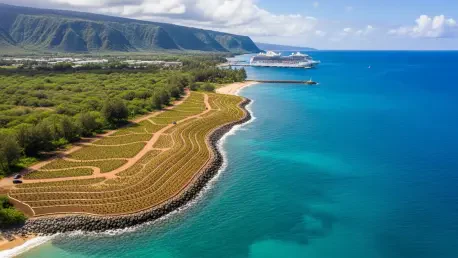
Beyond traditional lodging, the state has extended this user-pays philosophy to the maritime sector by introducing a focused 11% tax on cruise ship expenditures, calculated based on the duration a vessel remains within territorial waters. This measure acknowledges the diverse ways in which travelers interact with the islands, ensuring that those who utilize Hawaiian resources without staying in land-based hotels still contribute their fair share to the state’s environmental upkeep. The political momentum for these changes was heavily influenced by the 2023 Lahaina wildfire, an event that highlighted the urgent need for robust wildfire mitigation and invasive species management. By linking the cost of travel directly to the preservation of the ecosystem, Hawaii is establishing a precedent that views environmental health not as a luxury, but as an essential business requirement for the continued viability of the tourism industry.
The Shift Toward Impact-Based Funding
This new legislative framework is designed to function as a recurring investment in the state’s long-term survival, moving away from the reactive “emergency fund” logic that previously dominated disaster response. The funds generated are being deployed to manage invasive flora that increases fire risks across the islands, providing a proactive defense against the types of tragedies seen in recent years. By focusing on the biological and geological health of the islands, the state is effectively protecting its primary economic asset—the natural beauty that attracts millions of visitors annually. This strategy reflects a broader understanding that the tourism industry cannot thrive if the underlying environment is in a state of decay, making the “user-pays” model a form of essential insurance for hotel operators, tour guides, and local businesses alike who rely on a healthy and safe destination.
Furthermore, the implementation of these levies has allowed Hawaii to reduce the competition for general fund resources, which are often needed for schools, healthcare, and social services for residents. By creating a self-contained funding loop where visitors pay for the environmental impacts they create, the state can prioritize its local population’s needs without compromising the maintenance of its tourism infrastructure. This shift has also served to improve the relationship between the tourism industry and the local community, as residents see a more direct correlation between visitor numbers and the tangible improvement of their natural environment. The success of this model hinges on the ability of state agencies to execute these projects efficiently, proving to both taxpayers and travelers that these additional costs are leading to measurable improvements in climate resilience.
Diverse Regional Strategies for Visitor Funding
Economic Growth and Urban Infrastructure in Major Hubs
In the urban centers of the American Midwest, the focus of visitor-centric funding is shifting toward maintaining global competitiveness through the creation of Tourism Improvement Districts. Chicago has recently pioneered this approach by raising the effective tax rate on downtown hotel rooms to nearly 19% as of May 2026, with the resulting revenue being strictly allocated for convention recruitment and international marketing initiatives. This strategy acknowledges that in a post-pandemic economic landscape, cities must aggressively compete for high-value business events and large-scale tourism to sustain their local economies. By asking visitors to fund the very marketing and infrastructure that facilitates their travel, Chicago is ensuring that its tourism sector remains a self-funding engine for economic growth, rather than a drain on the municipal budget that could be better used for local neighborhood improvements.
The utilization of visitor revenue in high-density urban areas like New York City serves as a critical “shock absorber” for the city’s complex financial requirements. Billions of dollars in taxes collected from tourists are redirected to support the massive public transit systems and municipal services that sustain both the local workforce and the visitor experience simultaneously. This creates a symbiotic relationship where the high demand for New York as a travel destination provides the financial stability needed to maintain a high level of urban functionality. Without these visitor-generated funds, the burden of maintaining world-class public infrastructure would fall squarely on the shoulders of local taxpayers, potentially leading to service cuts or increased income taxes. This model demonstrates how large-scale tourism can be leveraged to enhance the overall quality of life in a city while ensuring the destination remains accessible and efficient for everyone.
Coastal Preservation and Maritime Reinvestment
Along the East Coast, states like Rhode Island, Maryland, and Virginia are increasingly turning to short-term rental assessments and occupancy taxes to fund the specialized needs of maritime and historic districts. These regions face unique challenges, such as the constant erosion of beaches and the aging of historic boardwalks, which are essential components of their tourism identity. By implementing targeted fees on travelers, these jurisdictions can finance expensive beach nourishment projects and seawall constructions that would be difficult to justify through local property taxes alone. This approach treats the preservation of the coastline as a necessary reinvestment in the “tourism product,” ensuring that the very attractions that draw visitors to the shore—sandy beaches and historic waterfronts—remain intact and attractive for future seasons.
The success of these maritime-focused levies is rooted in the logical connection between the traveler’s activity and the specific project being funded. For instance, a visitor staying at a beachfront rental in Virginia can see the direct result of their tax contribution in the form of a wider, more stable beach or a newly renovated pier. This transparency helps to mitigate any potential pushback regarding increased costs, as the benefit to the traveler is immediate and tangible. Moreover, by using visitor funds to maintain coastal defenses, these states are also protecting the local property values and businesses that form the backbone of their coastal economies. This cycle of reinvestment ensures that the maritime infrastructure is not just surviving, but actively evolving to meet the demands of a changing climate and a modern travel market, reinforcing the long-term viability of the region.
The Economic and Social Impact of Higher Fees
Traveler Resilience and the Question of Price Sensitivity
The rising cost of travel due to layered taxes and environmental levies has sparked a significant debate regarding the price sensitivity of the modern traveler and the potential limits of the user-pays model. Current data from high-demand “gateway” destinations like New York and Honolulu suggests that demand remains remarkably resilient, with occupancy rates consistently trending toward pre-pandemic levels even as total room costs have increased. This suggests that for many travelers, the unique experience offered by a top-tier destination outweighs the marginal increase in cost associated with a 15% to 20% tax burden. Many visitors are willing to absorb these additional fees if they believe the destination is being well-maintained and that their contribution is being used effectively to protect the local environment and public infrastructure.
However, the continued escalation of these fees does raise legitimate concerns about the long-term inclusivity of the travel industry and the risk of creating an elitist landscape where only the wealthy can afford to visit certain regions. If popular destinations become prohibitively expensive for budget-conscious domestic travelers, there is a danger of eroding the socio-economic diversity that often enriches the travel experience. To counter this, some experts recommend that states pair high tax rates with a more diverse range of lodging options or provide off-peak incentives to encourage a broader demographic of visitors. By balancing the need for revenue with the importance of accessibility, destinations can meet their fiscal and environmental goals without alienating a significant portion of the traveling public, ensuring that the benefits of travel remain available to more than just the highest-spending segments.
The Shift Toward Sophisticated Destination Management
The integration of these various funding strategies is leading to a more sophisticated era of destination management, where tourism is viewed as a core utility that requires strategic, long-term planning. This new paradigm creates a “virtuous cycle” where the tax revenue generated from visitors is used to improve transit, climate resilience, and public safety, which in turn enhances the overall visitor experience and justifies the higher cost of the stay. For tourism boards and marketing organizations, this requires a fundamental shift in how they communicate with their audience; instead of merely promoting attractions, they are beginning to highlight the positive impact that visitor contributions have on the local community and environment. This transparency is crucial for maintaining “social license,” or the public’s acceptance of large-scale tourism, by showing residents that visitors are part of the solution rather than just a source of congestion.
As we look toward the future of the travel industry, it is clear that the era of resident-subsidized tourism infrastructure is coming to a permanent end. The movement toward a user-pays model, led by Hawaii’s Climate Resilience Levy, provides a strategic blueprint for how other states can manage the dual challenges of environmental preservation and economic sustainability. By treating infrastructure maintenance and ecological stewardship as fundamental prerequisites for a successful tourism economy, jurisdictions are ensuring the longevity of their most precious assets. The ultimate success of this transition will depend on the ability of governments to remain transparent and accountable, demonstrating that every dollar collected from a traveler is an investment in the health, safety, and beauty of the places they visit. This evolution promises a more resilient and responsible travel industry that can thrive in a changing world while protecting the experiences that define the American landscape.