
Katarina Railko is a distinguished hospitality expert who has meticulously refined her strategic skills within the global travel and tourism industry. As a prominent voice in the entertainment and events sector, particularly within high-stakes expos and conferences, she brings a sophisticated perspective to brand positioning and digital engagement. Her work focuses on bridging the gap between guest psychology and data-driven marketing, helping independent properties compete with global giants through innovative storytelling and immersive digital experiences.
How does video content specifically reduce guest hesitation compared to static photos? Could you walk through the psychological shifts that occur when a traveler sees a room’s atmosphere in motion, and what specific details should be highlighted to build immediate confidence?
The primary barrier to a direct booking is often a lack of certainty, and video content acts as a powerful antidote to this hesitation by making the experience feel real before the guest ever arrives. When a traveler sees a room in motion, their brain shifts from analyzing a flat image to mentally “rehearsing” their stay, which builds a level of confidence that static descriptions simply cannot match. To maximize this psychological impact, hotels should highlight the flow of the space, the quality of the textures, and the specific atmosphere of the lighting to answer unspoken questions about comfort and cleanliness. By showcasing these sensory details, you move the guest from a state of browsing to one of active commitment, effectively reducing the perceived risk of booking an unknown property.
Independent hotels often lack the built-in trust of global chains. How do virtual tours help bridge this credibility gap, and what specific elements must a tour include to keep visitors on the site long enough to boost SEO rankings?
Virtual tours serve as a radical act of transparency that levels the playing field for independent hotels by proving that the property looks exactly as promised. For a guest who might be wary of a non-branded hotel, the ability to explore the space themselves creates a sense of control and familiarity that mimics the trust associated with large chains. To keep visitors engaged long enough to positively influence SEO, the tour must include interactive floor plans, high-definition 360-degree views of both guest rooms and common areas, and clear navigation that allows for seamless exploration. This increased time on site signals to search engines that your content is valuable, while simultaneously converting that engagement into a direct booking.
Video testimonials are frequently viewed as more authentic than written reviews. What storytelling techniques should hotels use when capturing guest experiences, and how do these videos impact long-term reputation management?
Authenticity is the currency of modern hospitality, which is why a short video of a real guest sharing their journey is significantly more impactful than a wall of written text. When capturing these stories, hotels should focus on the “emotional high point” of the stay, such as a personalized service interaction or a moment of unexpected relaxation, rather than a scripted list of amenities. These testimonials bolster reputation management by humanizing the brand and providing social proof that feels genuine and relatable to prospective travelers. Over time, these videos create a library of positive, lived experiences that can be used across campaigns to strengthen the hotel’s voice and counter the impersonality of third-party review platforms.
Travelers often encounter social video ads during the early inspiration phase of a trip. How should these short clips be structured to move a viewer from casual browsing to a direct booking, and what performance marketing data best indicates a successful campaign?
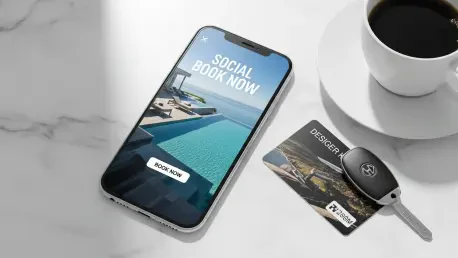
Social video ads must be designed to capture attention instantly, often within the first two seconds, by leading with the hotel’s most unique and inspiring visual asset. The structure should move rapidly from an emotional hook to a clear value proposition, such as an exclusive direct-booking perk, followed by a strong call to action that directs them straight to the website. To measure success, we look beyond simple likes and views, focusing instead on data points like click-through rates to the booking engine and the conversion rate of those specific social visitors. When these short clips are fueled by data and targeted correctly, they don’t just create awareness; they act as a direct pipeline for new revenue.
Large brands have massive budgets for high-end video production. How can independent properties create effective video strategies without excessive costs, and what data points are most critical when measuring a reduction in reliance on third-party booking platforms?
The good news for independent properties is that video does not have to be overly complex or expensive to be effective; in fact, overly polished content can sometimes feel less authentic to the modern traveler. A successful strategy focuses on high-impact, low-cost areas like guest-generated content, raw “behind-the-scenes” glimpses, and well-executed virtual tours that prioritize clarity over cinematic flair. When evaluating the success of these efforts, the most critical data points are the growth in direct booking volume and the corresponding decrease in commission fees paid to OTAs. By leveraging advanced data science to track where guests drop off in the funnel, independent hotels can refine their video content to ensure it is solving the specific problems that prevent direct conversions.
What is your forecast for video marketing in the hotel industry?
I forecast that video will transition from being a supplementary marketing tool to becoming the primary language of hotel commerce, where every touchpoint—from the initial search to the post-stay follow-up—is driven by immersive motion content. We will see a significant shift toward “shoppable video” directly within social platforms and hotel websites, allowing guests to book specific room types or add-on experiences the moment they see them on screen. As the technology behind virtual tours and AI-driven personalization matures, the hotels that win will be those that use video not just for promotion, but as a total transparency tool that eliminates the “expectation gap” for every single guest. Properties that fail to adopt a video-first strategy will find it increasingly difficult to compete for attention in a digital landscape where travelers no longer want to read about a stay—they want to experience it before they even check in.