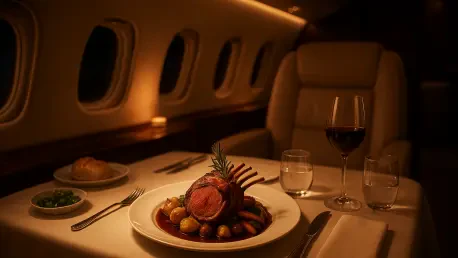

The introduction of a ‘From the Grill’ dining concept allows First class passengers to customize their meals with premium proteins like British roast rack of lamb. This culinary enhancement serves as a symbolic cornerstone for a much broader initiative: the comprehensive transformation of the British Airways Airbus A380 fleet. As the airline navigates the competitive landscape of 2026, it is undertaking one of the most ambitious cabin refurbishment programs in its history. This project is not merely a superficial update but a structural reimagining designed to align the double-decker aircraft with a modern design language that emphasizes privacy and premium service. By integrating high-end finishes and advanced technology throughout all cabins, the carrier is bridging the gap between its legacy flagship and the expectations of contemporary long-haul travelers. This strategic investment ensures that the A380 remains a vital asset in the global aviation market, offering a unified aesthetic that reflects a commitment to the ‘Best of British’ hospitality on a grand scale across every deck.
The First Suite: Redefining Luxury Standards
The design philosophy behind the new First suite represents a radical departure from traditional cabin layouts, moving instead toward an environment that mirrors the serenity of a high-end luxury hotel. This transition involved the selection of premium materials and the integration of British craftsmanship to create a space that felt both exclusive and residential. One of the most significant changes included the installation of a sliding door for every suite, providing a level of privacy that has become the gold standard for elite travelers. For those traveling in pairs, the center suites were re-engineered with retractable dividers, allowing for a shared social space without compromising individual comfort. This architectural shift prioritized the passenger’s ability to control their environment, featuring intuitive lighting and temperature settings that responded to the biological needs of long-distance flyers. The focus was on creating a sanctuary where the aircraft’s noise and activity felt worlds away from the seat.
To enhance this physical environment, the airline partnered with heritage brands to provide a sensory experience that extended beyond the seat’s ergonomics. In 2026, travelers began receiving unisex amenity kits from the renowned house Swaine, containing a curated selection of Wildsmith skincare products specifically formulated to mitigate the dehydrating effects of cabin pressure. The sleeping experience was similarly elevated through the use of high-thread-count cotton duvets and a specialized mattress topper designed to regulate body temperature during flight. In addition to the physical comforts, the dining experience transitioned toward a more personalized model through the “buddy dining” feature. By utilizing a stowable table, two passengers could share a meal together in a single suite, making the journey feel more like a private restaurant experience. This combination of bespoke amenities and architectural flexibility solidified the First class cabin as a leader in modern luxury, focusing on the finer nuances of high-altitude living.
The Club Suite: Maximizing Space and Comfort
The expansion of the Business Class cabin on the A380 represents a bold operational move, as it now features 106 Club Suites occupying the entirety of the upper deck. To ensure this massive space did not lose the sense of exclusivity, engineers divided the deck into four distinct zones, each carefully curated to maintain an intimate atmosphere. This zoning strategy was essential to preventing the “sea of seats” effect, allowing crew members to provide more personalized service within each smaller section. The suites themselves incorporated a modern color palette consisting of deep navy, vibrant red, and soft cream, which worked together to create a visual identity that felt both energetic and professional. Every seat was equipped with direct aisle access and a sliding privacy door, addressing the primary request of business travelers who valued uninterrupted work or rest. This layout transformation ensured that the double-decker aircraft could accommodate a large number of premium passengers without sacrificing the individual quality of their journey.
Beyond the structural layout, the Club Suite experience emphasized wellness and movement through the inclusion of dedicated “dwell areas” and the revamped Club Kitchen. These spaces provided passengers with the opportunity to stretch their legs and socialize in a more relaxed setting, offering a variety of high-quality snacks and beverages throughout the flight. The airline also introduced a new aesthetic layer through collaborations with Rise Art, featuring the work of talented British artists on the amenity kits. These kits were stocked with essential oils and wellness products from anatomē, focusing on relaxation and sleep hygiene to help travelers combat jet lag more effectively. Improvements were also made to the technological interface of the suite, with larger high-definition screens and more responsive touch controls for seat adjustments. By blending artistic expression with functional technology, the airline created a Business Class product that catered to the holistic needs of the modern traveler, focusing on physical health and mental clarity.
Economy Upgrades: Enhancing the Passenger Experience
The commitment to quality extended into the World Traveller Plus cabin, where the focus shifted toward providing a more secluded and refreshed environment for premium economy passengers. New seats were introduced with specialized privacy wings that offered better head support and a greater sense of separation from neighbors. To enhance the entertainment experience, the airline installed larger, high-definition screens that allowed for a more immersive cinematic experience during the long hours over the ocean. Sustainability also played a key role in this cabin’s update, evidenced by the introduction of reusable tote bag amenity kits. These bags contained practical items like Dr.PAWPAW moisturizing balms, which were chosen for their effectiveness in harsh environments. The bedding was also significantly upgraded, with plusher materials and a design that provided better lumbar support. These changes were aimed at closing the gap between the economy experience and the premium suites, ensuring that every passenger felt the impact of the fleet-wide renovation.
In the standard World Traveller cabin, the focus remained on maximizing physical comfort and updating the technological infrastructure to meet current traveler expectations. The seats were widened where possible, and the ergonomics were refined to provide better support during long-haul sectors. One of the most noticeable visual changes was the introduction of a contemporary herringbone pattern on the pillows and blankets, creating a cohesive design language that flowed from the front of the aircraft to the back. These blankets were crafted from a higher-quality, plusher material in the signature navy blue with red accents, providing better insulation and comfort. The entertainment systems in this cabin were also modernized, with larger screens and a faster interface that provided access to a vast library of content. By prioritizing these subtle yet impactful details, the airline ensured that the A380 felt like a modern and unified environment. Every traveler, regardless of their fare class, benefited from a cabin that was designed to be more comfortable, intuitive, and visually appealing.
The successful completion of the A380 retrofit project marked a turning point in the carrier’s strategy to maintain its status as a premier global airline. By standardizing the cabin interiors across its flagship fleet, the company addressed long-standing inconsistencies that had previously affected passenger satisfaction. The move toward a “Best of British” theme, supported by localized partnerships and heritage brands, provided a clear competitive advantage in an increasingly crowded market. Moving forward, the airline established a rigorous maintenance schedule to ensure these new interiors remained in pristine condition, while also monitoring real-time passenger feedback to fine-tune service protocols. This investment in the double-decker fleet not only extended the operational life of the aircraft but also served as a template for future cabin updates across other aircraft types. The initiative proved that even the largest aircraft in the sky could be transformed into a cohesive, luxury-oriented environment through meticulous planning and a deep understanding of traveler needs.